In digital marketing, trust is everything. Without it, even the most creative ads won’t deliver real results.
Today’s audiences are smarter. They do their homework. They ask questions. And they expect brands to be honest — not just in product quality, but in how they market.
That’s where transparent advertising matters most. It builds loyalty, reduces friction, and increases the chances that your audience will take action.
Let’s look at practical ways you can use transparency to build trust — and boost performance while you're at it.
1. Say What You Mean — Clearly and Consistently
Every ad makes a promise. If that promise doesn’t match what the customer gets, trust is lost — and often for good.
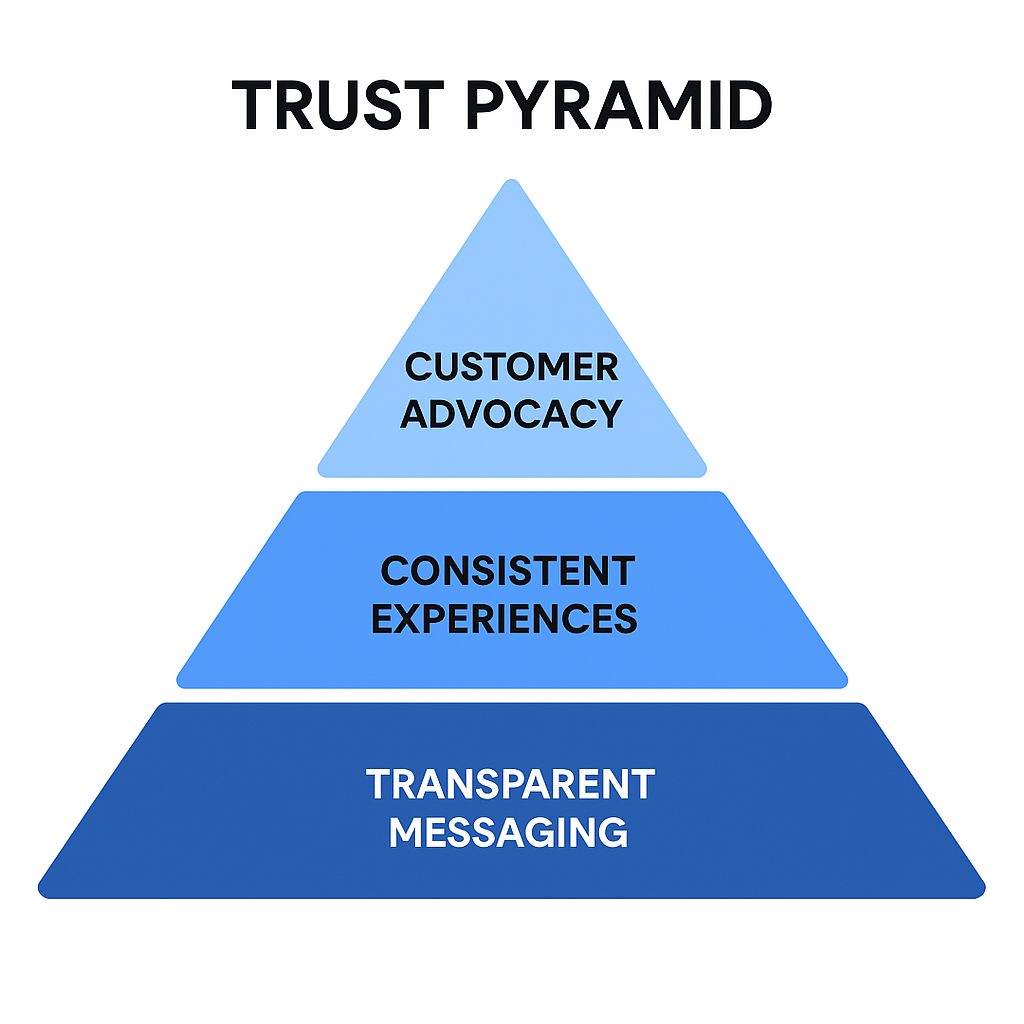
If you want people to click and convert, your messaging has to be accurate.
Here’s how to stay clear and consistent in your ads:
-
Match your ad copy with the headline and message on your landing page.
-
Use benefit-driven language, but avoid hype or misleading claims.
-
Support claims with social proof — testimonials, screenshots, or verified stats.
For a broader view, see Why Transparency in Ads Will Be the Next Competitive Advantage to learn how leading brands are using clarity to win.
2. Talk to the Right Audience
It’s not just about what you say — it’s about who hears it. Reaching the wrong people with the right message still leads to poor results.
The more tailored your message, the more it resonates.
To align your messaging with your audience:
-
Build segmented audiences based on interests, behaviors, or demographics.
-
Use data to understand your buyer’s biggest concerns or goals.
-
Speak their language — match your tone to their mindset.
If you’re unsure where to start, this step-by-step guide to defining a target audience can help.
Also, avoid aggressive or manipulative messaging. Consumers are quick to tune out. Advertising and Trust: How Brands Can Win Without Manipulation is a must-read on ethical messaging that still converts.
3. Be Honest About Tracking and Targeting
Users know they’re being tracked. They don’t necessarily mind — but they expect transparency about how and why.
Best practices for transparent data use:
-
Clearly state why a user is seeing your ad (especially in retargeting campaigns).
-
Use simple, visible language in cookie and data usage notices.
-
Align ad intent with user behavior — don’t surprise people with irrelevant retargeting.
Want to go deeper? The 10 Commandments of Ethical Digital Advertising lays out rules for responsible marketers in a privacy-first world.
4. Humanize Your Brand
People don’t connect with logos. They connect with people. Showing the human side of your brand builds credibility fast.
Ways to humanize your ads:
-
Feature real customers, team members, or founders in your content.
-
Use user-generated content and authentic reviews to build trust.
-
Avoid overly polished content — sometimes raw and real performs better.
Need help creating authentic visuals without a full design team? Try The Best AI Text and Image Generators for tools that help keep your content human — and scalable.
Want more tips? Make Your Facebook Ads a Trust-Building Machine covers simple creative tweaks that make your ads feel more genuine.
5. Set the Right Expectations — Even If They’re Not Perfect
Transparency means telling the whole story, even the parts that aren’t flawless. Surprisingly, this boosts credibility.

Consider including honest details like:
-
Limitations (“Only compatible with XYZ browsers”);
-
Timing (“Setup takes 3–5 business days”);
-
Target fit (“Best for teams of 5+ users”).
This kind of openness earns respect — and leads to fewer refund requests and more qualified leads. It’s also one of the best ways to fix disconnects in campaigns.
Final Thoughts: Transparency Builds More Than Trust — It Builds Performance
Trust isn’t a “nice to have.” It’s a performance driver.
Clear, honest, and transparent ads don’t just make you look good — they help you earn higher quality leads, reduce wasted spend, and create real long-term brand equity.
If you’re serious about ethical, results-driven marketing, transparency isn’t optional. It’s essential.