Social platforms offer scale, identity data, and intent signals that aren’t always available through search or display.

According to industry benchmarks, 75% of B2B buyers use social channels to support purchase decisions, and over 50% engage with vendor content long before filling out any form.
1. Build Segments Based on Real Buyer Behavior
Start by aligning your audience segments with actual buying committee behavior.
-
Decision-makers: directors, VPs, and C‑level leaders.
-
Influencers: team leads, specialists, and practitioners.
-
Researchers: users who consume content but don’t yet express intent.
Useful metric: B2B teams report a 2.3× higher conversion rate when segmenting campaigns by buying committee role rather than broad job titles.
2. Layer Firmographic Filters
To refine your reach, apply:
-
Industry categories
-
Company size or employee count
-
Revenue brackets
-
Geographic distribution
Studies show that campaigns using firmographic filters deliver 28–35% lower CPA compared to non-filtered targeting.
3. Target by Engagement Signals
Warm audiences often convert fastest. Effective segments include:
-
Users who viewed videos to 50%+
-
Users who interacted with ads or posts
-
Repeat website visitors
-
People who downloaded assets
Engagement-based retargeting typically increases lead-to-opportunity conversion rates by 2× versus cold audiences.
4. Use Competitor-Adjacent Targeting
Reach prospects who follow:
-
Competitor pages
-
Industry communities
-
Thought leaders relevant to your niche
Surveys show 46% of B2B buyers follow at least one competitor brand, making these audiences highly valuable for awareness and mid‑funnel campaigns.
5. Build Lookalikes from High-Intent Data
Lookalikes based on:
-
Returning website users
-
Trial signups
-
Sales-qualified leads
-
High-value customer lists
Campaigns using lookalikes built on high-intent sources typically see 20–40% increases in MQL quality.
6. Personalize Creatives by Audience Segment
Tailor messaging to each group:
-
Decision-makers: ROI, efficiency, business impact
-
Influencers: day-to-day value, product usability
-
Researchers: educational content and comparisons
Personalized ad variations can lift CTR by 30–50% and reduce cost per qualified lead.
7. Align Campaigns With the B2B Funnel
Top of funnel: educational content, industry insights, short explainer videos
Middle of funnel: case studies, testimonials, competitor comparisons
Bottom of funnel: demos, trials, pricing pages
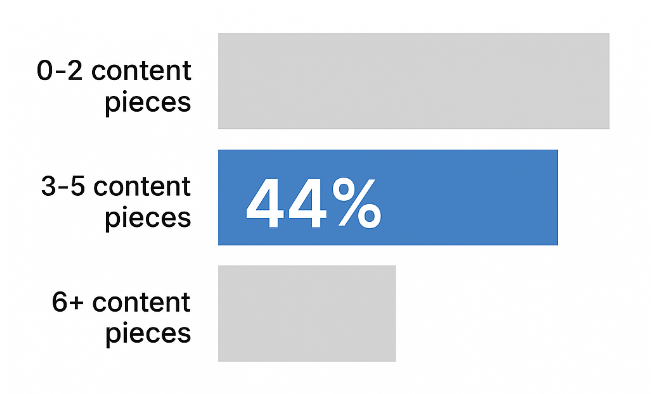
Data shows that buyers who consume at least three types of content before converting have 44% higher deal close rates.
8. Measure Quality, Not Just Volume
Track beyond clicks:
-
SQL rate
-
Pipeline influenced
-
Cost per opportunity
-
Close rate
Teams that optimize for revenue metrics instead of lead volume report up to 65% improvement in ROAS.