Online advertising is going through big changes. Consumers are smarter, more selective, and more aware of how ads are made and delivered. AI is changing how we work, but it’s also raising the bar for quality.
If you’re running ads on Facebook, Instagram, or similar platforms, you can’t just do what worked last year. You need to shift how you create, connect, and communicate.
Here are the key trends every advertiser should understand in 2026 along with real strategies to act on them.
1. People Want Real, Not Robotic
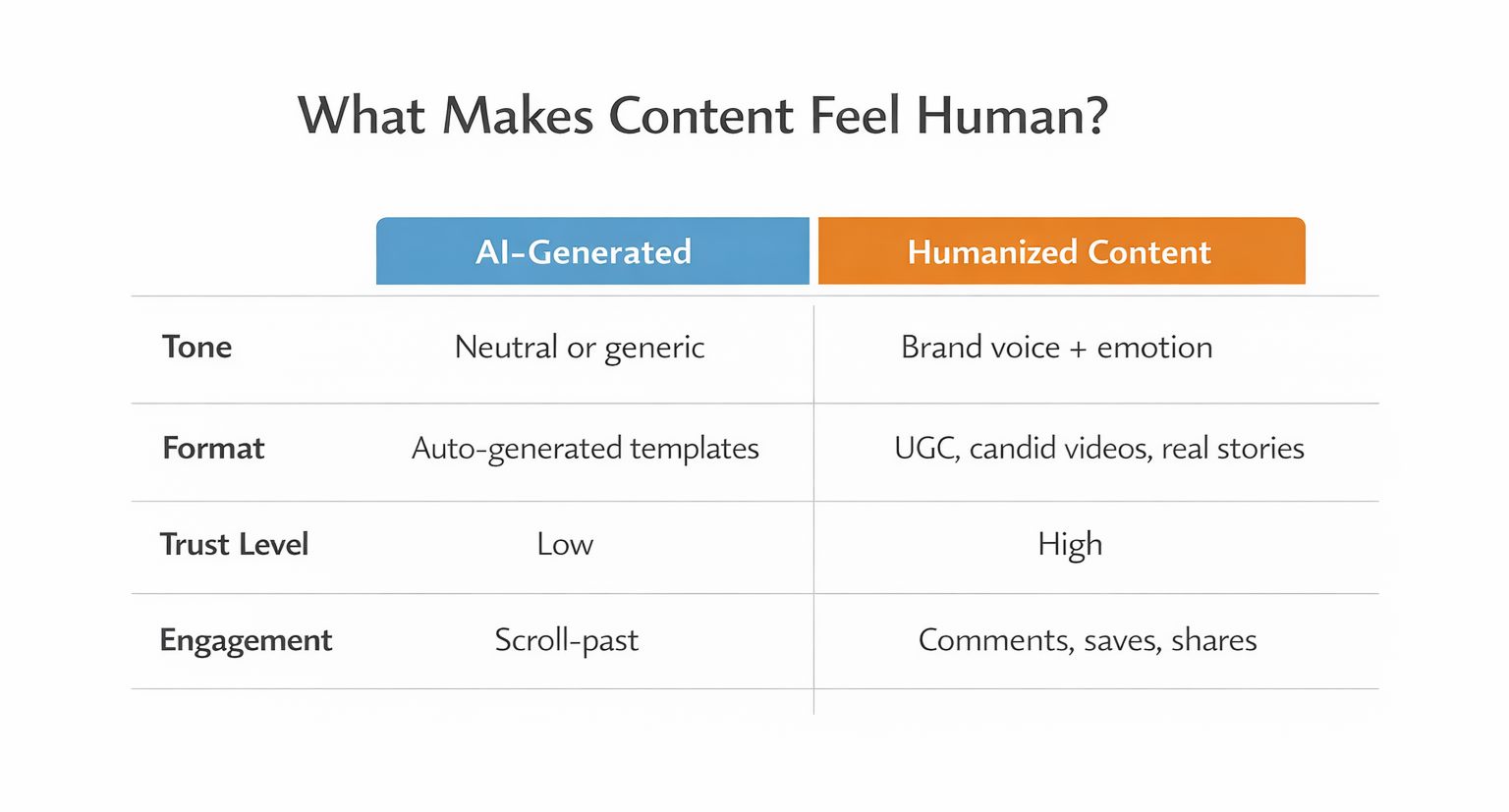
Audiences are tired of ads that feel lifeless or generic. Most can spot AI-written content — and they scroll past it fast. But AI isn’t the enemy. The key is using it as a tool, not a crutch.
Strategies to use:
-
Use AI to generate ideas or outlines, not final posts. Start with quick drafts or prompts, then rewrite them in your natural tone. AI should speed you up, not replace your voice.
-
Add personal stories or quotes in your copy. Share a customer’s experience or how your product solved a specific problem. This adds emotional weight that AI can’t create.
-
Use real faces and voices in your visuals. UGC from customers, employees, or founders builds instant trust — especially on Instagram Reels or Stories.
For more on making AI work without losing authenticity, see Why Human Creativity Still Beats AI in Social Ad Campaigns.
2. Trend Participation > Trend-Chasing
Not every trend is your trend. Audiences can tell when a brand jumps on something just to sell — and they ignore it. Instead, brands that join cultural moments in a meaningful way are the ones getting engagement.
What to try:
-
Choose trends that align with your product or values. Don’t force your way into a trend about something totally unrelated — it feels desperate.
-
Add something new to the conversation. If your team is genuinely excited about a moment, share your take. Show reactions, parodies, or behind-the-scenes connections.
-
Let creators lead. Partner with influencers who already speak the trend’s language. Let them translate your message into their style.
If you're not sure how to keep content feeling human, check out How to Use Behind-the-Scenes Videos to Humanize Your Brand.
3. Effort Stands Out Again
Minimalism is out. Effort is back in. Whether it’s in your visuals, storytelling, or creative direction, people notice when you care.
How to make it work:
-
Tell a real story in your ads. Show what inspired the product, what problem it solves, or how it’s made. A short caption or 15-second video is enough.
-
Use personal and original visuals. Think raw video, hand-drawn sketches, or casual team shots. It’s okay if it’s not perfect — people relate more to “real.”
-
Show the process. If your product takes time or skill to produce, document that. Whether it’s packing orders or filming content, let people peek inside.
Effort signals quality and it gives your brand personality that algorithms can’t fake.
4. Small Joys Are Getting Big Results
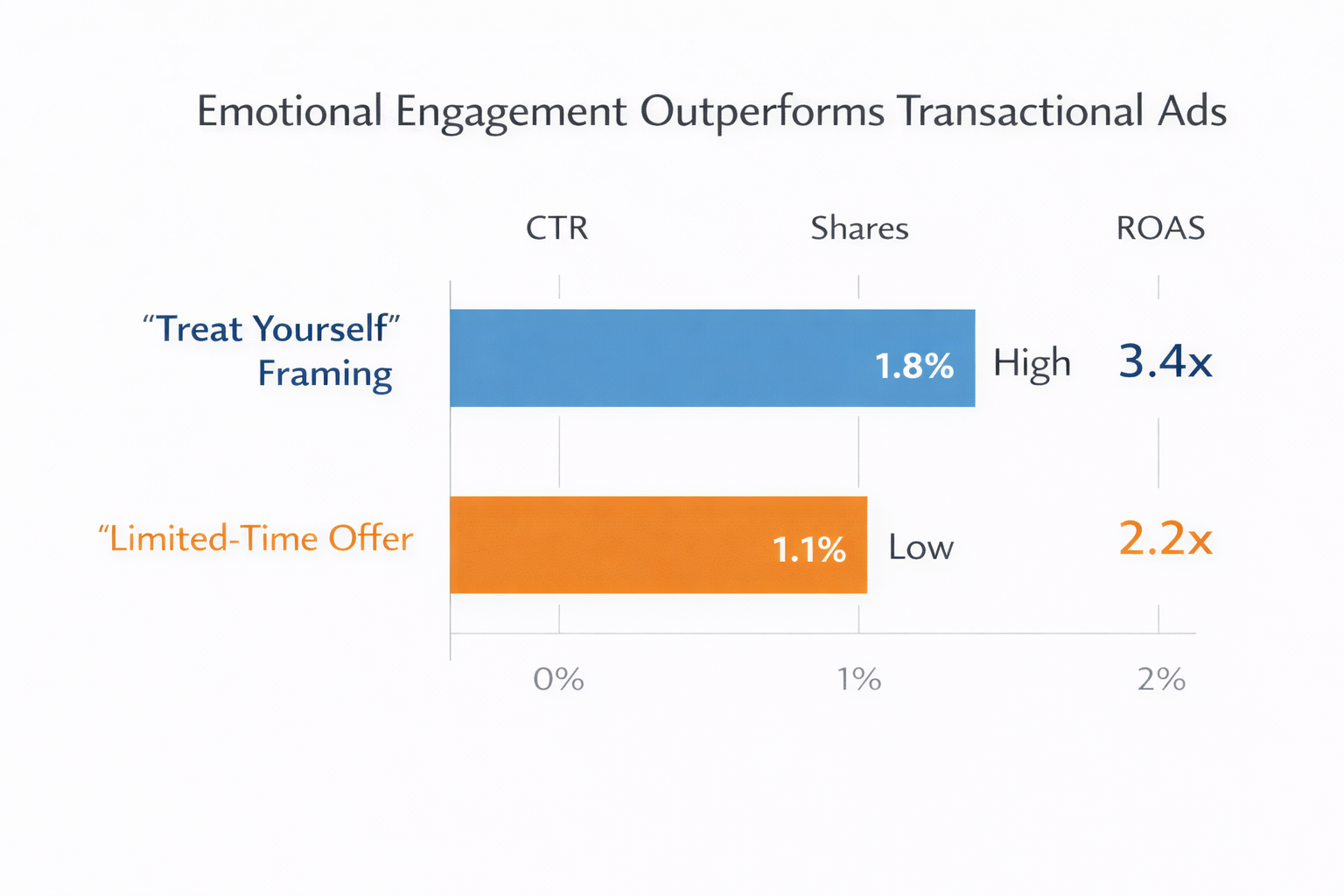
In a high-stress world, people are buying things that feel comforting, nostalgic, or rewarding — even small ones. This is why ads that focus on little delights are working especially well in 2026.
Campaign ideas:
-
Position your product as a reward. Use phrases like “a little something for you” or “mid-week treat” instead of leading with discounts.
-
Tie into everyday rituals. Highlight how your offer fits into simple pleasures: morning coffee, evening unwind, desk upgrades.
-
Use colorful, uplifting creative. Bright visuals and warm copy stand out in feeds full of aggressive promotions or AI-style polish.
To build emotional connection that goes beyond product specs, see Unlock Magnetic Facebook Ads by Tapping into Emotion.
5. Nostalgia Still Connects (When It’s Genuine)
People are craving comfort and connection — and nostalgia delivers both. But it only works when it feels meaningful, not forced.
How to use nostalgia well:
-
Bring back old product visuals or formats. If you’ve been around a while, show how you’ve evolved. “Then vs. Now” ads work great on Instagram carousels.
-
Use language, sound, or design from specific eras. A retro font or reference can instantly create a shared feeling.
-
Encourage community participation. Ask followers to share what your brand reminds them of, or memories of similar past moments.
Nostalgia isn’t just about looking backward — it’s about reminding people how something once made them feel.
6. Your Team Is Your Secret Weapon
Audiences trust people over brands. That’s why employee-generated content is outperforming most traditional ad creative. It feels real — because it is.
How to activate your people:
-
Make it easy for employees to post. Provide templates, talking points, or video prompts — but let their voice come through.
-
Spotlight individuals. “Meet the team” Reels or quote graphics give your brand a face and story.
-
Turn internal moments into content. Celebrations, order-packing, or even casual Friday fun can all build connection.
For a deeper look into using your team’s voice in marketing, read Make Your Facebook Ads a Trust-Building Machine.
7. Rules Are Meant to Be Bent
Brands that dare to be weird, funny, or opinionated are winning. Feeds are noisy — and only bold, personality-driven content cuts through.
How to do it right:
-
Try formats your competitors won’t. Make an ad that looks like a meme, a comment thread, or a video skit.
-
Own your flaws or quirks. Self-aware humor builds more trust than salesy spin.
-
Empower your social team. Let them respond, riff, and interact in real time — like a person, not a legal department.
There’s no formula for standing out, but there is one for blending in: playing it safe.
8. People Want Offline Experiences Again
People are burned out from endless scroll. That’s why real-world experiences — even small ones — are gaining traction again.
How to use this trend:
-
Host pop-ups or micro-events. They don’t need to be big. A table at a market or meetup with your top fans can spark a ton of content.
-
Use real-life footage in your ads. Turn video from your offline activations into scroll-stopping Instagram and Facebook creatives.
-
Connect your online campaigns to physical interactions. Try limited offers, exclusive codes at events, or follow-up ads based on location.
Digital and physical are no longer separate — they fuel each other.
9. Consumers Understand How Ads Work Now
Your audience isn’t just seeing your ads — they’re analyzing them. They know when something is optimized for engagement or clickbait. And they’re tuning out what feels manipulative.
Stay ahead by:
-
Being upfront. Use transparent copy and clearly show what your offer is. No tricks.
-
Avoiding engagement bait. Phrases like “you won’t believe this” don’t build trust — they break it.
-
Replying like a human. When someone comments, reply with care. It's a trust signal.
Modern marketing is a two-way conversation. And your audience is listening just as closely as you are.
10. It’s Not Just SEO Anymore — It’s GEO
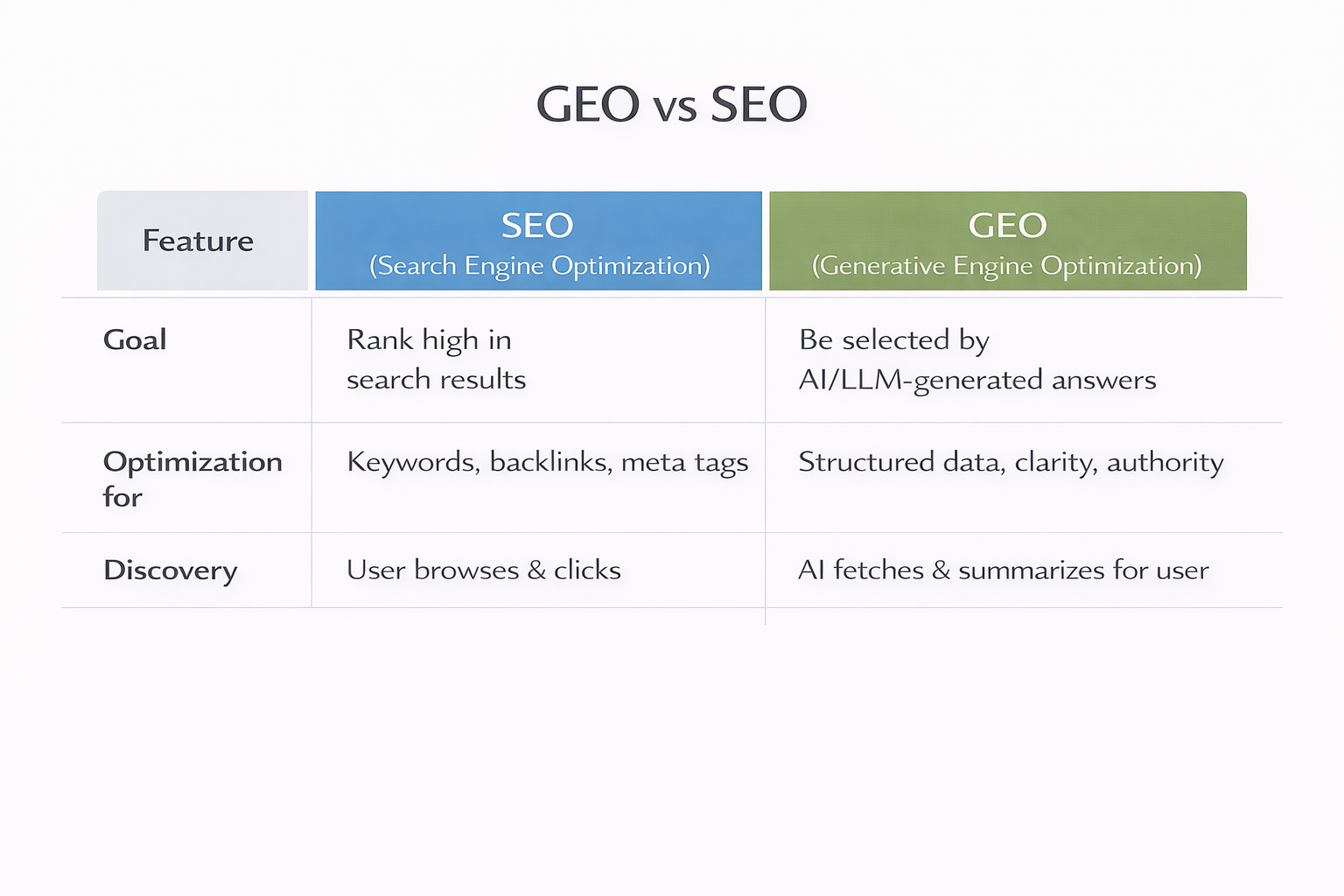
Search behavior is shifting. Instead of sifting through links, people are asking AI and voice tools for answers. That means visibility isn’t just about ranking — it’s about being selected.
How to optimize for GEO (Generative Engine Optimization):
-
Use structured data on your site. Help AI “read” your content by labeling pricing, product info, FAQs, and reviews properly.
-
Publish trustworthy, helpful content. Focus on clear answers, clean layouts, and citations.
-
Be consistent across platforms. LLMs pull from Reddit, LinkedIn, product feeds, and more — not just your homepage.
To learn more about this shift and how to stay visible, check out What Is Generative Engine Optimization (GEO) and Why It Matters for Marketers.
11. Gen Alpha Is Already Here
They’re not the future — they’re now. The oldest Gen Alphas are teens. They’re online, influencing what gets attention, and shaping culture.
How to reach them:
-
Speak their language. Keep your tone informal, inclusive, and free of corporate buzzwords.
-
Let creators take the lead. Gen Alpha follows people, not brands. Use partnerships and UGC to earn trust.
-
Make it interactive. Think quizzes, polls, swipe games, and remix-friendly content.
Marketing to this generation means inviting them in — not broadcasting at them.
Final Takeaway: Be More Human
2026 isn’t about doing more. It’s about doing it better and more honestly. Every trend points to the same truth: people want brands that feel real.
Whether you're using AI, launching a campaign, or writing ad copy — your most valuable tool is still human connection.