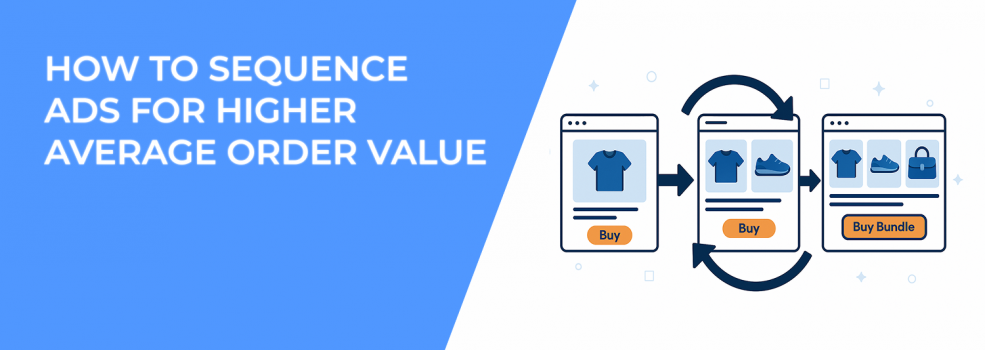
Many brands focus heavily on ROAS, but few realize that Average Order Value (AOV) is the more scalable lever for growth. While most campaigns aim to convert, the best ones guide buyers to spend more — not through aggressive upselling, but through strategic ad sequencing.
If you’ve ever wondered why some customers buy bundles and others settle for a single item, the difference often comes down to how they were guided through the funnel.
This article shows how to design sequenced Facebook and Instagram ads that lead to larger checkouts, smarter conversions, and more profitable scaling.
Why Ad Sequencing Boosts AOV
Sequencing isn't just about retargeting. It's a deliberate structure — a story told over several touchpoints. When done right, each stage warms your audience, builds trust, and increases buying intent.
A well-crafted ad sequence can:
-
Warm up cold audiences with low-friction content.
-
Build trust using social proof and real-world use cases.
-
Introduce bundles and multi-buy offers at the right moment.
-
Retarget based on behavior instead of just recency.
-
Boost cart size by framing value instead of pushing discounts.
If you’re already exploring ways to increase AOV through bundled offers and premium positioning, the article on bundles, upsells, and AOV optimization tactics lays a strong strategic foundation.
Step 1: Lead With Value, Not a Pitch
The first ad in your sequence shouldn’t push a discount or a product. Instead, focus on relevance. Lead with content that captures attention and positions your brand as a trusted guide.
Consider:
-
A relatable video showing how your product solves a specific problem.
-
A carousel that explains common challenges and introduces your product as a solution.
-
A short behind-the-scenes clip that builds trust through transparency.
The purpose here is to generate engagement — not sales — so you can build custom audiences for the next steps. For a broader understanding of how this fits into the overall funnel, this breakdown of Facebook Ads funnel strategy is worth reading.
Step 2: Follow With Trust-Building Content
Once someone has engaged with your first ad, it’s time to layer in proof.
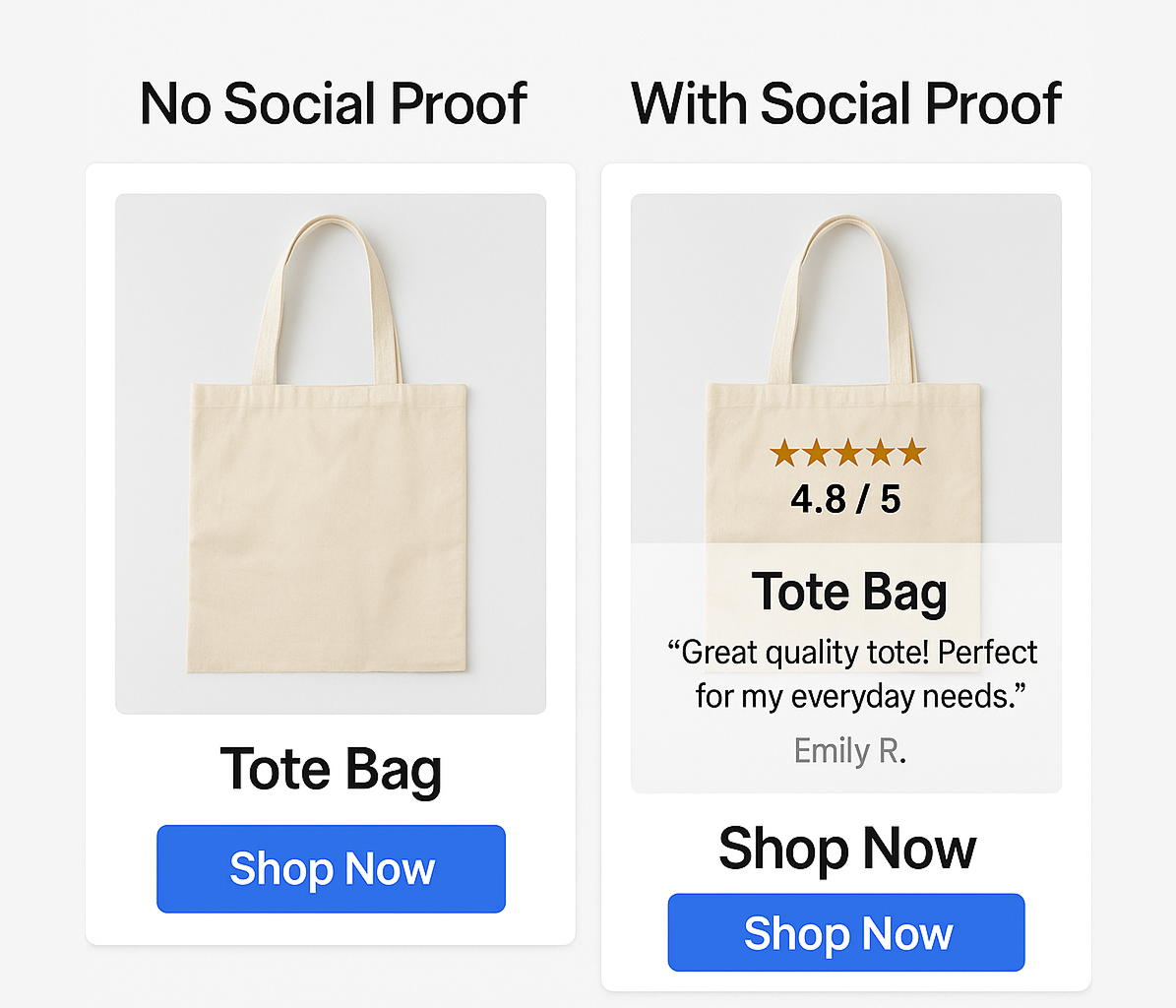
Effective formats at this stage include:
-
User-generated videos that speak to product value.
-
Customer reviews, either screenshot-based or stylized into carousels.
-
Comparison ads that highlight what makes your product better.
-
Mentions of your most popular bundles or best-value items.
Buyers at this stage are still evaluating. They’re asking: “Can I trust this brand?” Answer with substance, not hype.
Step 3: Introduce Bundles and Quantity-Based Offers
Now that your audience is warmed and familiar with your product, present options that increase basket size, but do it intelligently.
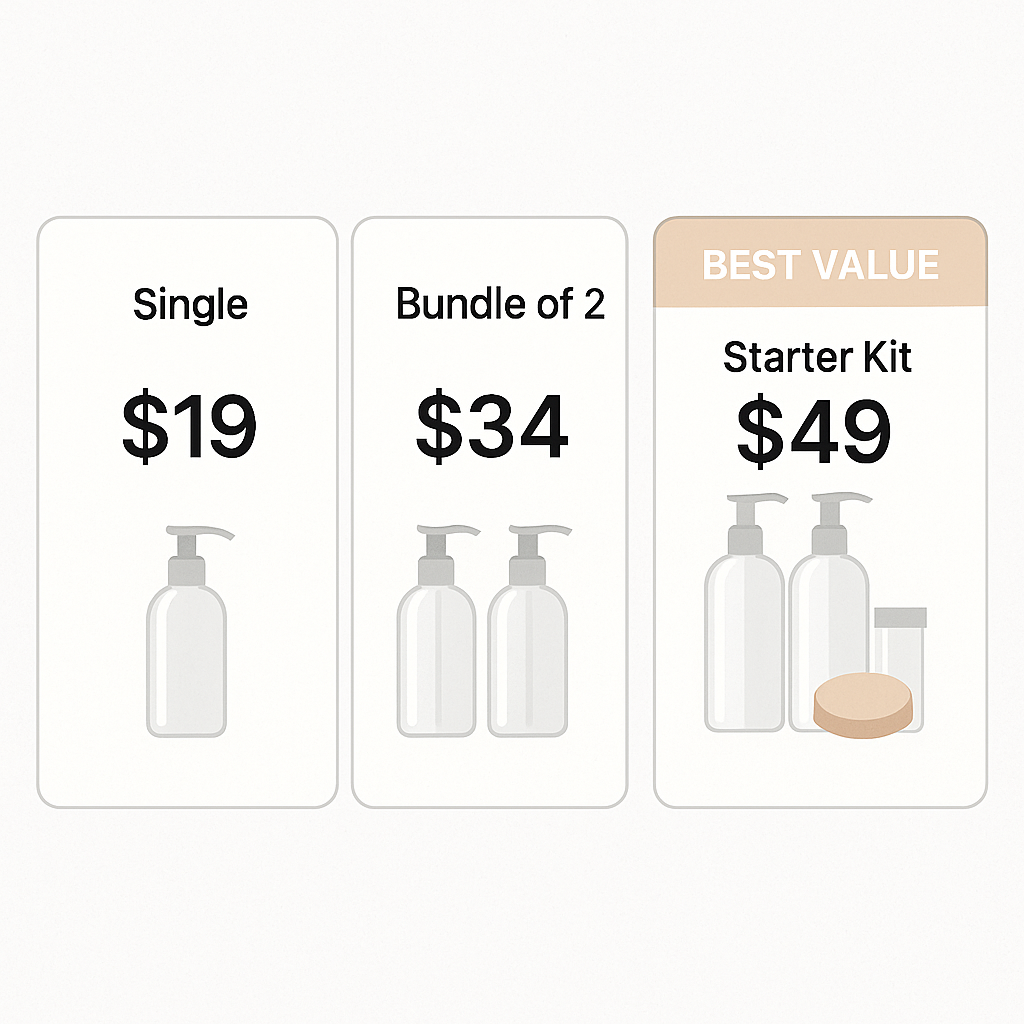
Introduce offers like:
-
Complete kits that solve a broader version of the initial problem.
-
Buy-more-save-more tiers.
-
Free shipping thresholds that incentivize bulk buying.
-
Comparison charts that clearly show value across pricing tiers.
If you’re selling across multiple product categories, take a look at how to use product category ads to increase AOV. It provides tactical ideas for positioning bundles and complementary items more effectively.
Step 4: Retarget Post-Purchase for Continued Value
One of the biggest missed opportunities for increasing AOV is failing to sequence after the sale. Smart advertisers know that a customer who just converted is significantly more likely to buy again — if you show them the right thing.
Use post-purchase retargeting to deliver:
-
Cross-sells (e.g., accessories or refills).
-
Upgrade offers (e.g., premium versions or longer-term packs).
-
Educational content that boosts satisfaction and primes for future purchases.
A good resource on this topic is the guide to using Facebook retargeting to increase cart recovery rates, which highlights how behavior-based segmentation drives better returns.
A Sample 7–10 Day Sequence Timeline
Here's a timeline many performance marketers use as a starting point:
- Days 1–2:
Awareness ads — use short videos, stories, or carousels to drive engagement. - Days 3–5:
Social proof — deliver testimonials, review highlights, or “best bundle” ads. - Days 6–7:
AOV offers — showcase kits, quantity discounts, and premium tiers. - Days 8–10:
Post-purchase retargeting — suggest complementary items or upgrades.
To ensure your sequencing works as intended, campaigns need to exit the learning phase efficiently. If you’re struggling with low delivery or unstable performance, this guide to fixing learning phase delays is packed with practical advice.
Better Sequencing Starts With Smarter Targeting
Even the best sequence will underperform if your targeting is off. Audience quality is the base layer for everything else.
LeadEnforce gives you the ability to build hyper-relevant audiences from the followers of Facebook groups and Instagram pages — meaning your funnel starts with people already engaged in your niche.
To learn more about how to use behavioral signals to target high-AOV buyers, check out the piece on behavior-based Facebook targeting. It explains how savvy marketers are creating custom audiences based on engagement behavior — not just demographics.
Final Thoughts: Structure Before Scale
If you’ve been increasing ad budgets without increasing AOV, you’re leaving margin on the table. Sequencing gives you a way to grow profitably — by orchestrating the journey, not just throwing money at it.