Customer loyalty isn't a nice-to-have — it's the foundation of sustainable growth.
Retention is cheaper than acquisition. Repeat buyers spend more. And loyal customers often become brand advocates, amplifying your reach organically.
Yet paid social is still treated as a performance-only channel, optimized for first-time purchases and short-term ROAS. That's a missed opportunity.
Used strategically, paid social can become a core lever for customer retention and long-term loyalty — if you structure it correctly.
Here’s how to turn Facebook, Instagram, and other paid social platforms into loyalty-building machines.
1. Build Segments That Reflect Customer Lifecycle, Not Just Conversions
The first step toward loyalty-focused paid campaigns is precision in segmentation.
Avoid the all-too-common mistake of lumping all past buyers into a single "purchasers" audience. That won't help you nurture loyalty — it flattens nuance.
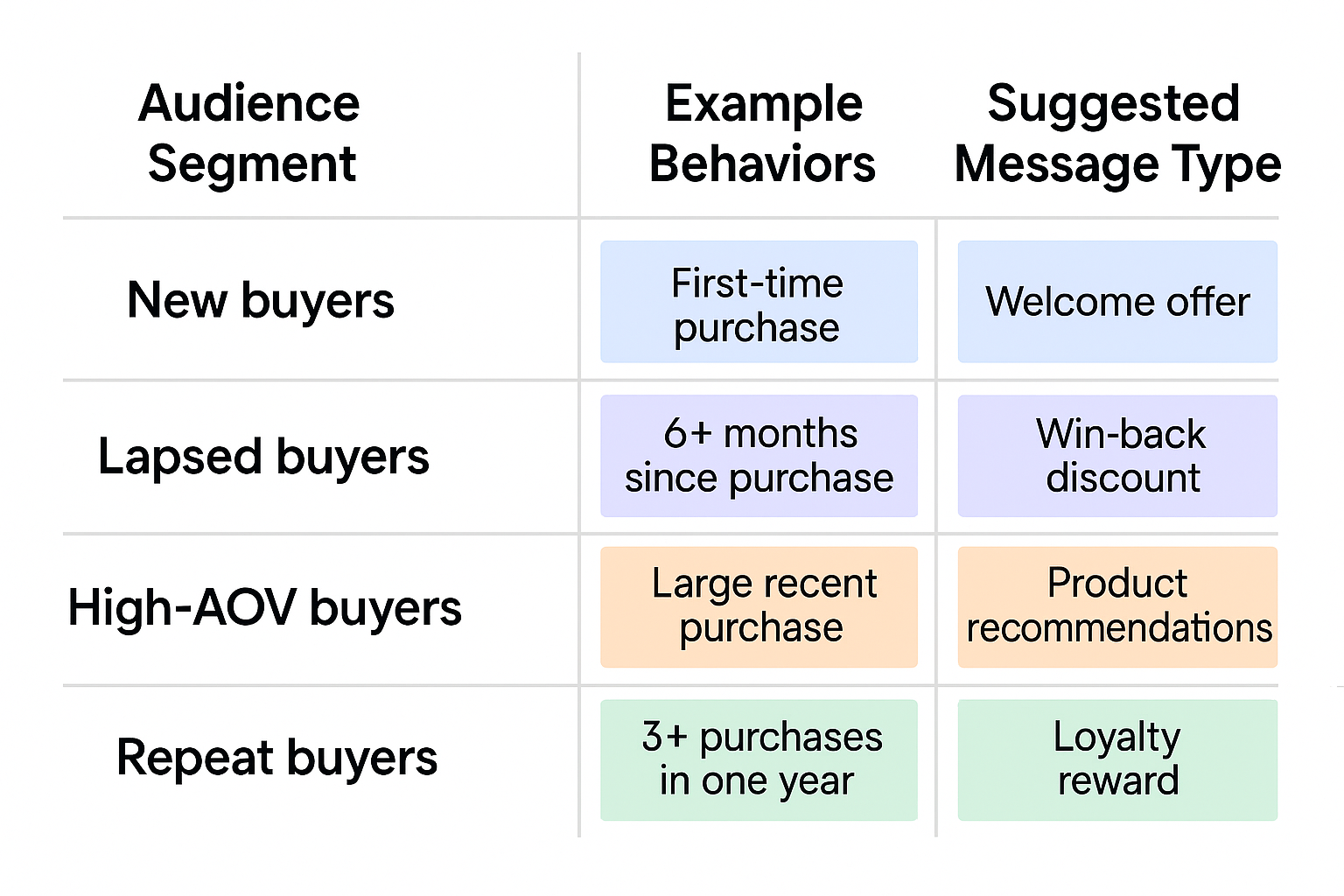
Instead, create lifecycle-based cohorts using purchase recency, frequency, and value (RFM). For example:
-
New buyers: first-time purchase within 14 days.
-
Lapsed buyers: no purchase in 90+ days.
-
High-frequency buyers: three or more purchases in six months.
-
High AOV buyers: spend exceeds your average order value by 30% or more.
-
Category-specific loyalists: buyers who repurchase within a single product line.
Each of these groups responds to different messaging. Your job is to align campaigns to where they are — not where you want them to be.
To refine this further, use guides like Facebook Ad Targeting 101 or this step-by-step audience definition process to make sure you're starting with strong, signal-rich segments.
2. Launch Post-Purchase Flows to Reinforce Value and Identity
The moments immediately after a purchase are rich with emotional leverage — satisfaction, anticipation, even buyer's remorse.
Use paid social to reinforce your brand's value during this window, not just via email.
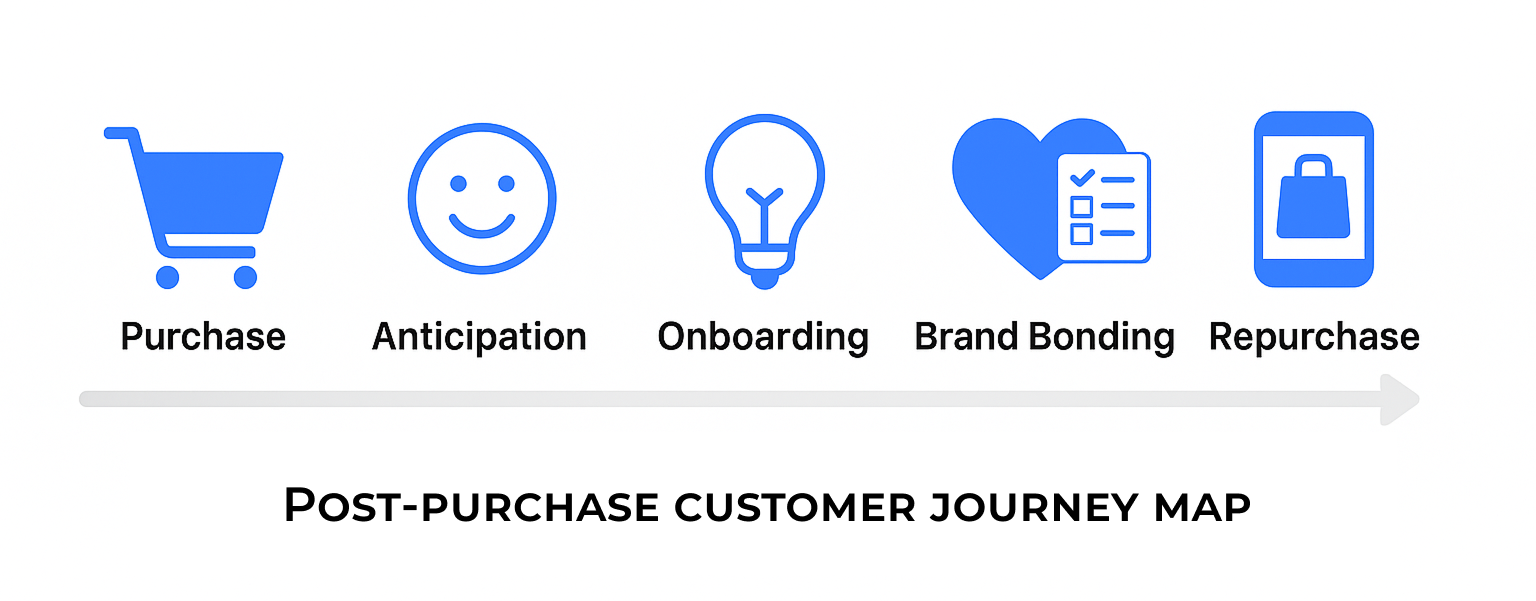
Here’s what works well:
-
Onboarding content: how to get the most out of their purchase — e.g., styling tips, set-up tutorials, or pairing suggestions.
-
Community activation: showcase UGC or testimonials from similar buyers; this builds identity-based loyalty.
-
Reinforcement of brand values: behind-the-scenes videos, founder messages, or ethical sourcing stories.
-
Cross-sell nudges: lightly introduce complementary products only when they add clear value.
Done right, post-purchase campaigns increase satisfaction, reduce churn, and make future purchases feel inevitable.
3. Engineer Repetition Without Fatigue
One of the strongest predictors of brand loyalty? Familiarity.
Customers are more likely to repurchase from brands that feel known, visible, and consistent. But the key is to avoid ad fatigue — especially among your warmest segments.
Here’s how to engineer familiarity without overexposing:
-
Creative variety: rotate formats — static images, videos, UGC, Stories, and Reels — even when the message is similar.
-
Cadence control: apply frequency caps; exclude recent ad engagers from daily delivery.
-
Multi-angle messaging: reinforce the same core value proposition from different perspectives — emotional, functional, social proof, or urgency.
-
Retarget engagement, not just clicks: people who saved a post or watched a video to 75% may be closer to conversion than those who simply clicked.
If you’re not sure whether you're wearing out your audience, learn to spot and fix Facebook ad fatigue before it undercuts your campaign.
4. Leverage Engagement Metrics to Predict Future Loyalty
Most loyalty campaigns over-index on purchase data. That's a lagging signal.
What often precedes loyalty is high-quality engagement behavior — repeated views, saves, shares, and content interaction.

Track and retarget users who:
-
Viewed a product tutorial or founder video multiple times.
-
Saved a product comparison carousel.
-
Commented on customer stories or before-and-afters.
-
Responded to post-purchase surveys or quizzes.
-
Clicked through Stories or engaged via DMs consistently.
These users aren't just buyers — they're future advocates. Serve them brand-building content, not hard sells.
5. Create Milestone-Based Campaigns to Celebrate and Re-Engage
Loyalty marketing is often reduced to "points" and "perks." But recognition and personal milestones are far more effective in driving emotional loyalty.
Use paid social to celebrate moments like:
-
“You’ve been with us for one year — thank you.”
-
“This is your fifth purchase — here’s something special.”
-
“You’ve referred three friends — you’re officially in our inner circle.”
-
“Only two more orders until you unlock exclusive benefits.”
These campaigns deepen identity and elevate the customer-brand relationship beyond transaction.
6. Turn Your Most Loyal Buyers Into Social Proof Engines
Loyal customers are uniquely powerful when it comes to influence. Instead of only chasing lookalikes, give your loyalists a reason to share — and then amplify it through paid social.
Try strategies like:
-
Dynamic testimonials: turn real customer reviews into ad creatives, using overlays with quotes, usernames, or ratings.
-
Branded Content Ads: promote organic UGC directly through influencer or buyer accounts (especially effective on TikTok and Instagram).
-
Review amplification: retarget customers who left high reviews by showcasing their feedback to new audiences.
-
Loyalty invitations: invite long-term customers to become product testers or insiders.
If you're using custom and lookalike audiences for this, make sure you're building them strategically. Here's a solid comparison of Custom vs Lookalike Audiences to guide your approach.
7. Think Long-Term With Attribution and Retargeting Windows
If you evaluate loyalty campaigns with short-term metrics, you’ll misjudge their true value.
Instead:
-
Use longer attribution windows — e.g., 7-day click and 1-day view, or even 28-day click for high-ticket brands.
-
Retarget over longer lookback periods for customers likely to repurchase after 60+ days.
-
Evaluate lifetime value (LTV) vs ad spend, not just short-term ROAS.
-
Exclude recent buyers from hard-selling campaigns — but include them in community, content, or survey-focused ads.
Campaign structure also matters. If you’re not sure whether you're optimizing for the right outcome, this guide to Meta ad campaign objectives is essential.
Final Thoughts: Loyalty Isn’t Just Retention — It’s Brand Equity
Loyalty is the result of consistent value, earned trust, and emotional alignment. Paid social, when used thoughtfully, gives you the ability to maintain that connection at scale — even as your customer base grows.
So stop thinking of paid social as just a conversion engine. Use it to build relationships that convert again and again.
Every touchpoint matters. Every message compounds. And in the long run, loyalty pays the highest return of all.