Instagram is a powerful tool for creators looking to grow audiences and earn from their content. But likes don’t pay bills. To drive results, advertisers must help creators attract the right audience — not just more followers.
This article breaks down advanced strategies for using Instagram ads to build high-converting audiences that engage, buy, and stick around.
Why creators need paid audience growth
Organic reach is declining. Even high-quality content hits a limit.
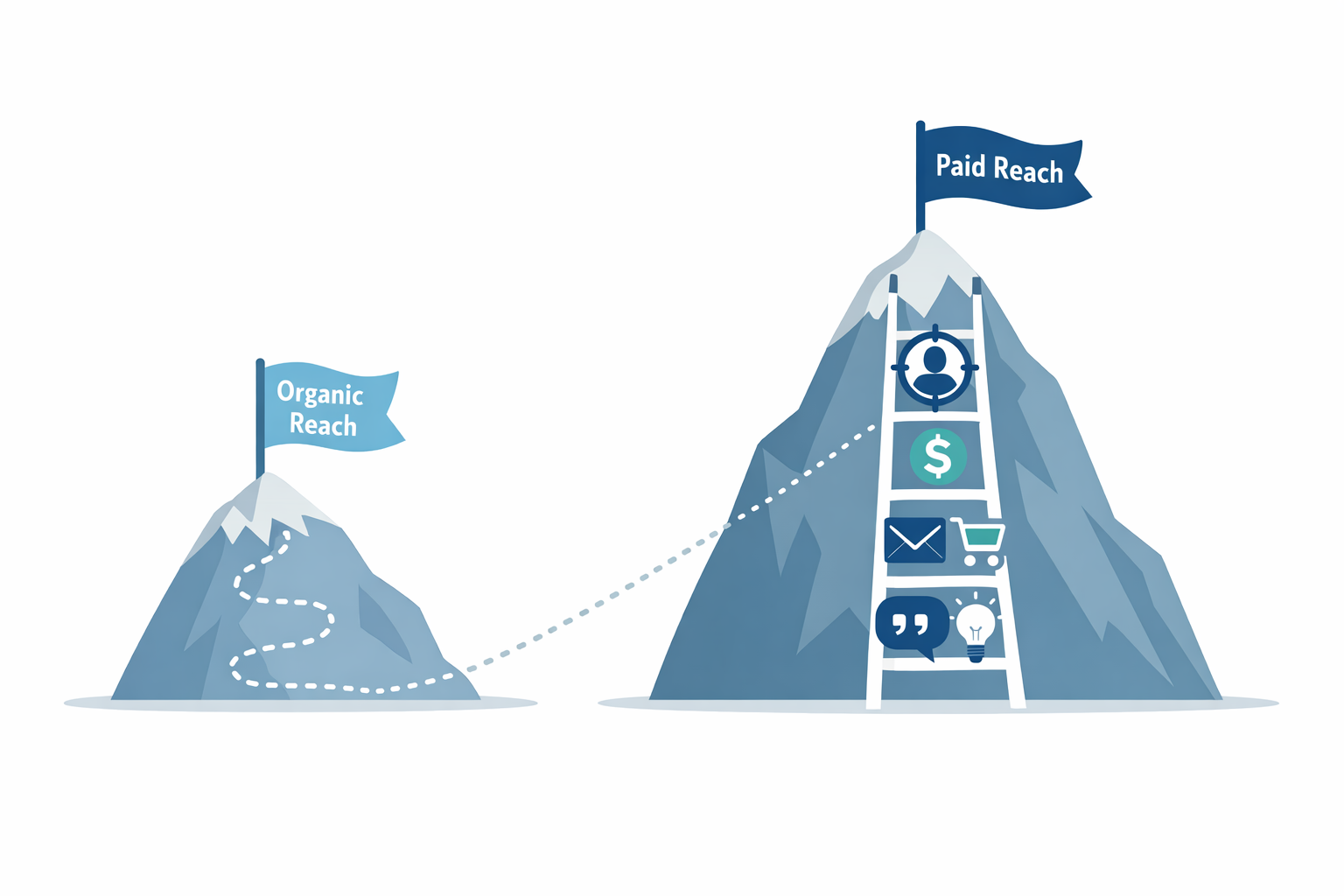
Instagram ads solve this by:
-
Reaching high-intent audiences who behave like best followers but haven’t discovered the creator yet — like targeting users who follow similar creators in the niche.
-
Testing content themes and offers that don’t rely on algorithm performance — such as ad variations that focus on testimonials, tips, or humor.
-
Driving action to owned assets, like email lists or shops — not just increasing followers but converting them into leads or buyers.
Example: A creator selling Lightroom presets may run ads to beginner photographers who follow other photography influencers. Instead of waiting for organic discovery, they use ads to attract the exact audience who wants to buy.
More on this strategy: How LeadEnforce simplifies audience segmentation for better ad results.
What makes an audience convert (not just follow)
A large following does not equal high ROI. High-converting audiences behave differently.
1. They align with the offer
Followers must want what the creator sells.
-
A creator offering Notion templates should target productivity nerds — not general lifestyle audiences.
-
A business coach promoting courses should attract early-stage founders — not hobbyists.
2. They act beyond Instagram
Look for users who:
-
Click bio links, swipe up on Stories, save posts, join email lists;
-
Engage across platforms — like subscribing to a YouTube channel, joining a community, or clicking in email flows.
3. They convert on micro-asks
High-converting audiences don’t skip small steps.
-
They download freebies (like a checklist),
-
Join waitlists (for product launches),
-
Use promo codes (from stories or reels).
A fashion creator promoting a digital style guide can run a Story ad with a swipe-up to get the free PDF. If that small action converts, the same audience may buy the full course later.
Read more: What makes audiences ignore ads — and how to win back attention.
Build your ad audiences based on real interest
Most creators already attract a niche. You can use LeadEnforce to target:
-
Followers of relevant Instagram accounts — creators, influencers, or brands your audience follows;
-
Members of Facebook groups — groups that signal pain points, identity, or niche interests.
Use this to:
-
Clone a competitor’s following;
-
Build warm audiences from aligned creators without paying for influencer posts;
-
Layer lookalikes to expand reach while keeping relevance.
Example use case:
A mental health creator targeting millennial women could build audiences from followers of psychologists or Facebook groups like “Anxious Achievers”. These users already care about the creator’s core topic.
How to do it: Step-by-step guide to retargeting with LeadEnforce.
Don’t use the same ad for everyone
Many creators show the same offer to everyone — and that leads to wasted spend.
Instead, segment your campaigns by intent level.
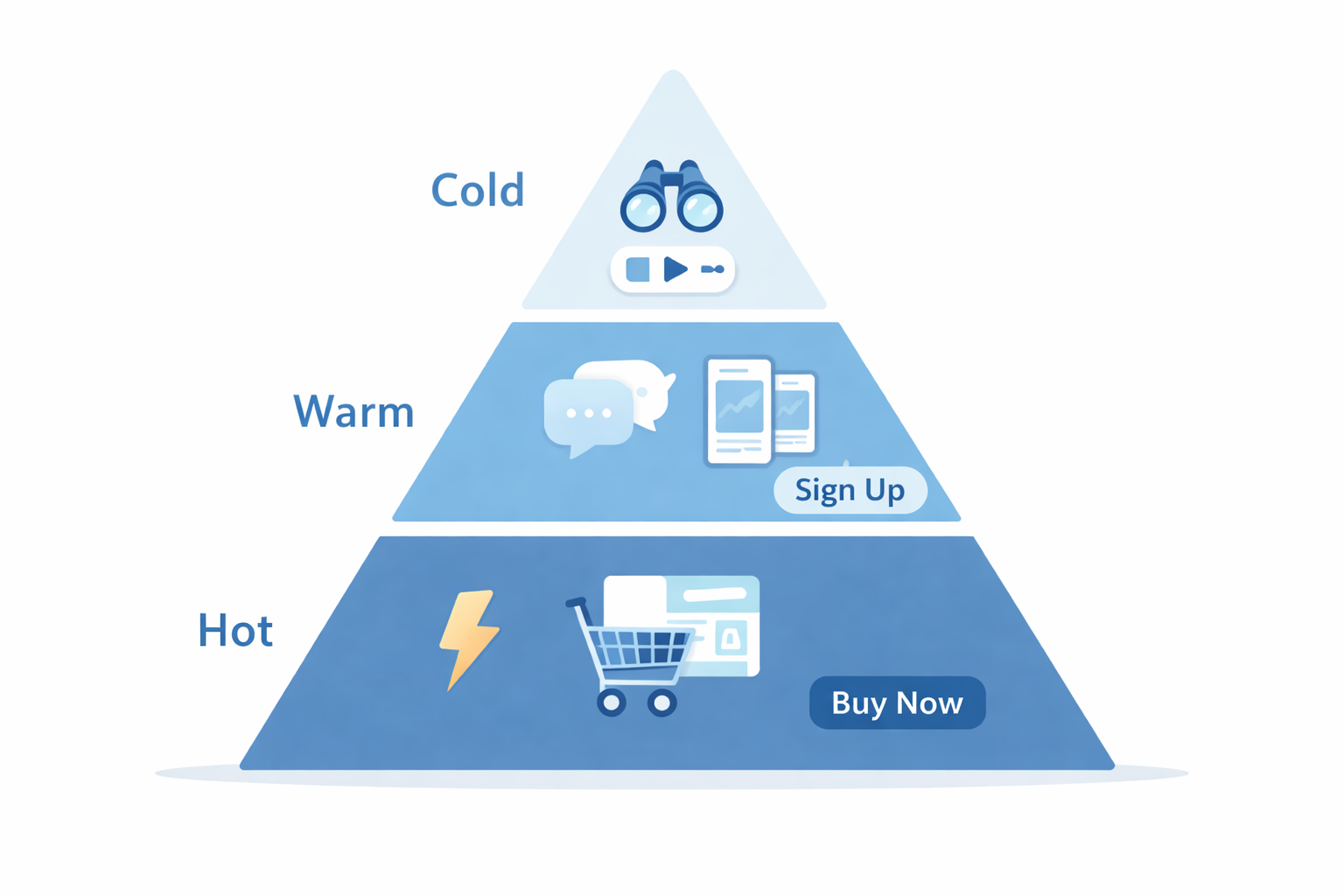
Cold audiences
-
Who: First-time viewers, unaware of creator.
-
What works: Reels ads with fast visual storytelling, how-tos, or humorous takes.
-
CTA: Watch more content, follow, or save.
A wellness creator could use a relatable meme reel on burnout that drives curiosity without pitching.
Warm audiences
-
Who: Viewers who followed or engaged but haven’t converted.
-
What works: UGC, carousel case studies, creator voiceover.
-
CTA: Join a newsletter, grab a lead magnet, DM a keyword.
For a productivity creator, a carousel showing "3 mistakes you're making in Notion" can drive opt-ins for a free template.
Hot audiences
-
Who: People who clicked, opted in, or DMed.
-
What works: Retargeting ads with clear offer, urgency, or bundle value.
-
CTA: Buy, enroll, or schedule now.
Deeper dive: How to match ad messaging to buyer awareness levels.
Optimize for how people actually scroll
Instagram is fast. Users decide in under 2 seconds whether to engage.
Here’s how to adapt your ads:
-
Grab attention instantly — use fast cuts, bold text overlays, or face-to-camera delivery;
-
Design for sound-off viewing — captions, text animations, and clear visual cues matter;
-
Avoid over-polished visuals — native-looking content performs better.
Winning formats:
-
Talking-head video with captions and casual tone;
-
Screen recordings of templates, dashboards, or workflows;
-
Image carousels — like “Before vs After” or “3 mistakes to avoid”.
Example: A Notion productivity coach could run a 4-slide carousel showing chaotic vs structured content views, ending with a link to download the exact template.
See: The 5 silent killers of Instagram ad performance.
Track the full journey — not just clicks
Instagram ads often send traffic elsewhere — email lists, landing pages, booking forms. This breaks the standard attribution.
To fix that, use:
-
Meta’s CAPI — captures server-side and view-through conversions often missed by the Pixel;
-
UTM parameters — track which ad brought the lead through Typeform, Notion, or Shopify;
-
Hidden fields and tagging — for creators using lead forms or Typeform, insert audience/ad ID fields.
A coach using a quiz funnel can pass the ad ID to track which audience source generates the most booked calls.
Think of creators as full-funnel assets
Creators aren’t just brand awareness tools — they’re full-funnel operators. Treat their content and audience as a system, not just a channel.
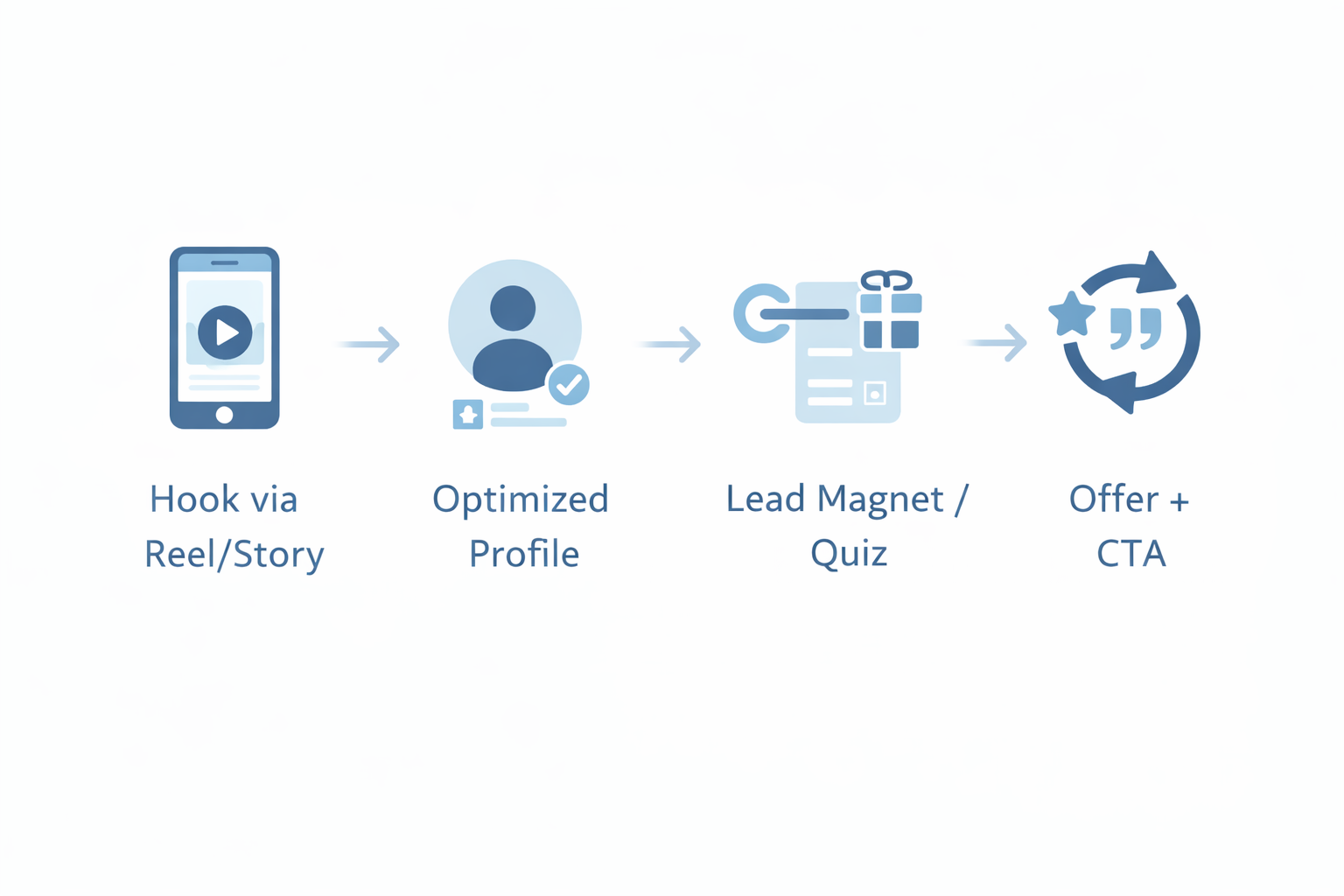
Map the journey:
-
Ad: Hook with relatable Reel or Story;
-
Profile: Clear bio, pinned post, Highlight with proof/testimonials;
-
Link in bio: Lead magnet, freebie, or quiz funnel;
-
Retargeting: Social proof ad, urgency-driven bundle, or call scheduler.
Example: A creator promoting a Notion course runs a Reel about "how my life changed with this system" → directs to profile → checklist download → retargeting ad for full course.
Key takeaways
Instagram ads let creators build high-converting audiences when backed by smart strategy and audience data. Here’s what to remember:
-
Focus on audience quality, not just size;
-
Match ad content to awareness stage;
-
Track behavior beyond the click — include micro-conversions.
Use these principles to turn Instagram ads into a predictable system for attracting audiences that engage, trust, and convert over time.