Building a personal brand on social media takes time — and organic growth has its limits. Even great content can struggle to reach new audiences consistently.
Meta ads (Facebook and Instagram) give you control over who sees your content, how often, and in what context. That control is especially useful when you're promoting digital offers, products, or services behind your brand.
This guide shows how to use Meta ads in a way that’s simple, effective, and tailored for creators, experts, and solo business owners.
Why personal brands benefit from running ads
If your audience growth is slowing, it may not be a content issue — it's usually a reach issue.
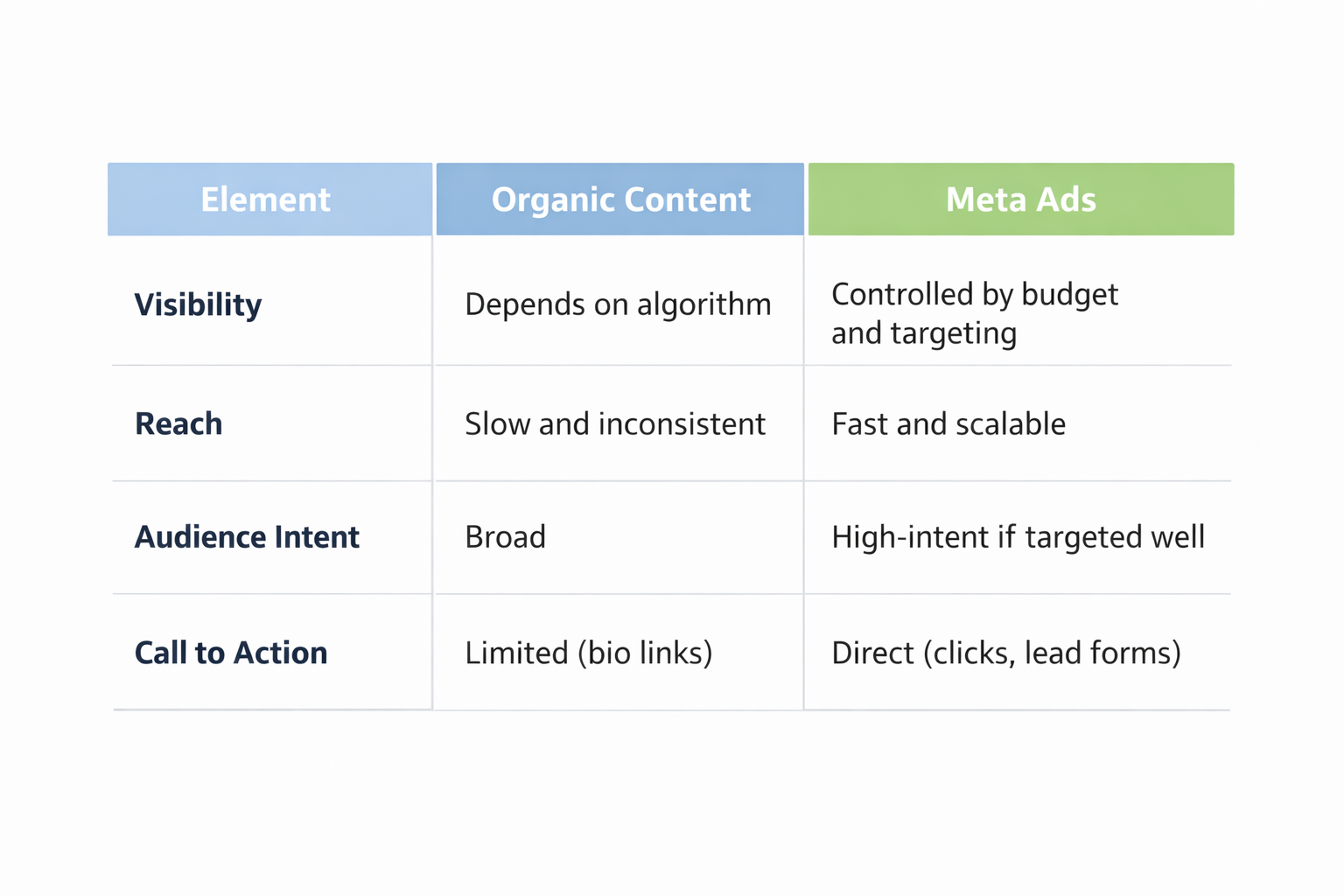
Meta ads allow you to break out of the algorithm’s limits by letting you:
-
Reach new, relevant people directly
For example, a mindset coach can reach people who already follow journaling, productivity, or psychology-related pages. -
Get consistent visibility without relying on trends
You decide how long your best content runs — not the platform. -
Move people off-platform into your funnel
Drive clicks to a lead magnet, course, or product page — not just profile views.
Still unsure whether ads are worth the spend? See Are Facebook Ads Worth It?
Start with better targeting — not broader reach
Most personal brands waste ad budget by using broad or default targeting. That might generate clicks, but not conversions.
Instead of reaching "everyone interested in marketing," narrow down to audiences that show signals of intent.
Smarter audience ideas for personal brands:
-
Followers of similar creators or niche brands
If you're a content strategist, you could target people who follow Copyhackers or StoryBrand. -
Members of relevant Facebook groups
A freelance writer could target people inside “Freelance Copywriting” or “Remote Work” groups. -
Viewers of your previous video content
Anyone who’s watched 50% or more of a Reel is a warm lead — even if they didn’t follow.
To dive deeper into improving your targeting approach, check out Facebook Ad Targeting 101.
Use ads to gather feedback — not just leads
Your ad campaigns aren’t just for scaling. They’re also a testing ground. They reveal which messages, formats, or offers resonate.
Running tests with even $10/day helps you avoid assumptions and refine your positioning fast.
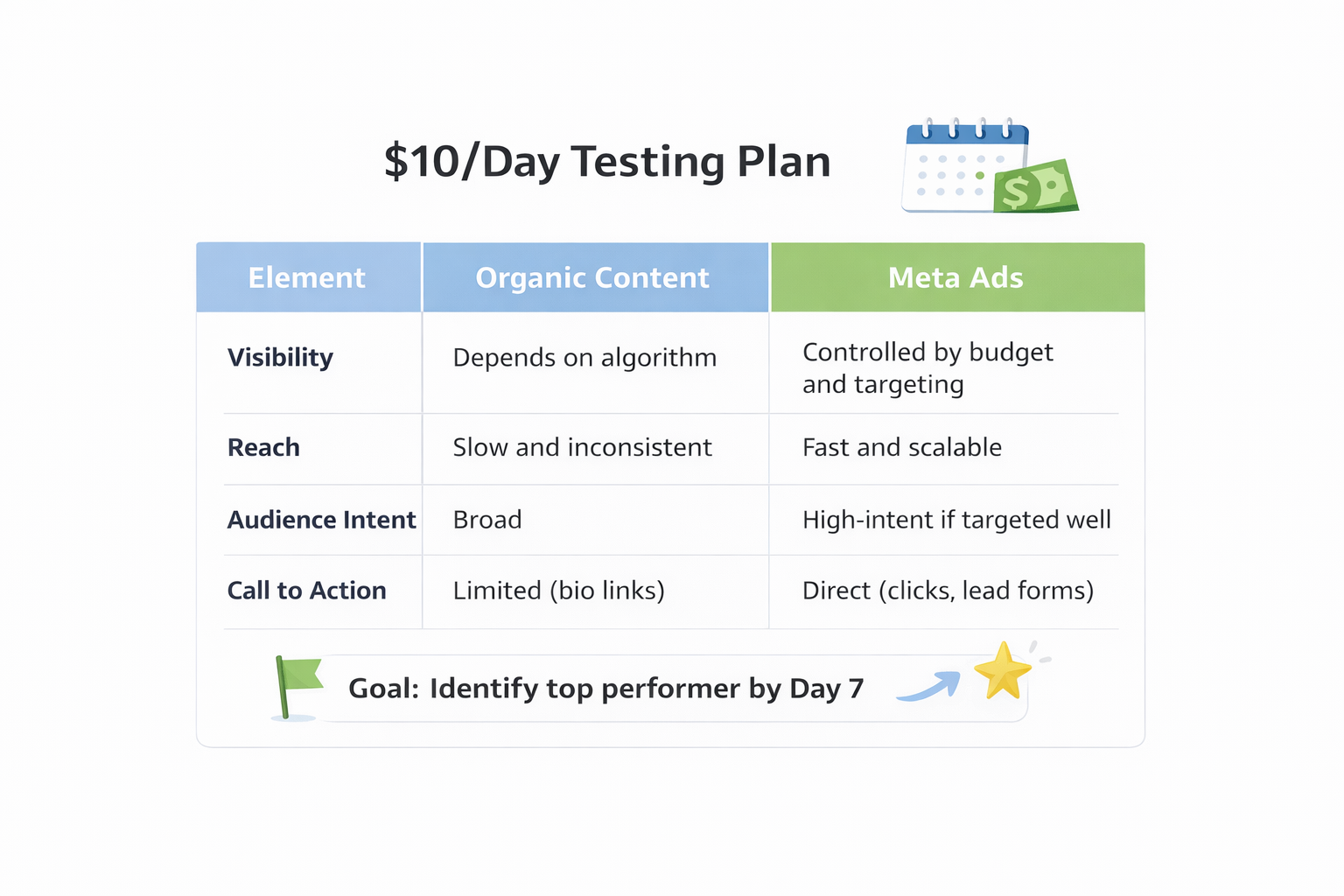
Run small tests to answer questions like:
-
“Do people respond better to emotional or tactical hooks?”
-
“Is a mini-course more attractive than a checklist or quiz?”
-
“What visuals make people stop scrolling?”
Different angles — like “save time” vs “double your output” — can bring very different results, even for the same offer.
Learn how to prioritize your testing here: What to Test First: Creative, Copy or Audience.
Make your ads feel like content — not like ads
The best-performing ads often don’t look like ads at all. They feel like helpful or interesting posts — the kind users already expect from your brand.
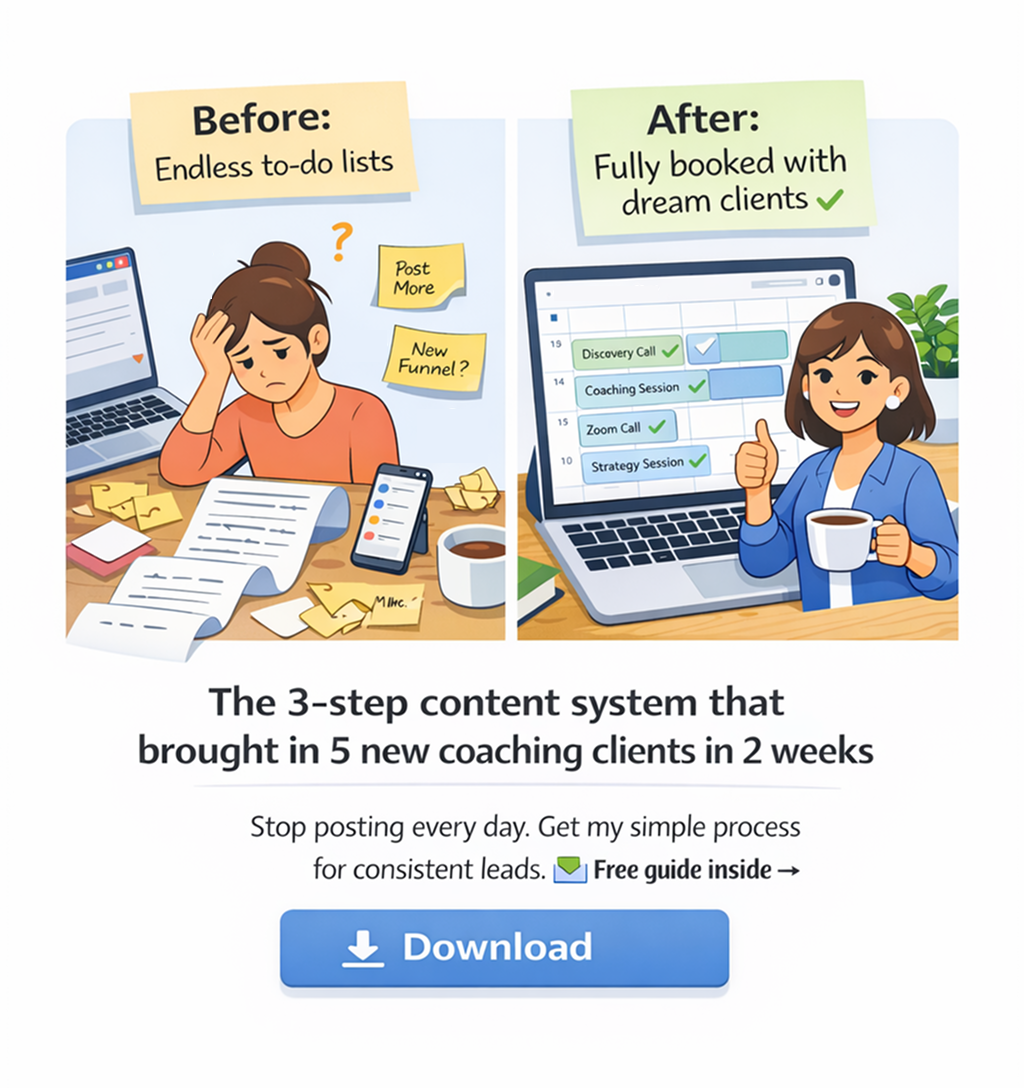
Instead of studio-quality videos or animated graphics, try:
-
Talking-head videos with your story or advice.
-
Carousels with tips, quotes, or client screenshots.
-
A peek behind the scenes (workspace, routine, dashboard).
These formats tend to feel more authentic, which increases watch time and trust. You don’t need polish — you need clarity.
Don’t let the funnel break after the click
A great ad gets someone to stop and click. But if your funnel doesn’t match the message or isn’t built for mobile, the conversion stops there.
This is where most creators lose leads — after the ad has already done its job.
Post-click tips for better conversion:
-
Match landing page copy to ad language
If your ad promised a “free 5-day challenge,” that’s what they should see first. -
Keep mobile in mind
80–90% of Meta traffic comes from mobile. Slow load times or hard-to-read pages kill results. -
Focus on one action per page
Don’t ask users to read five testimonials, scroll past three offers, and then decide. Make the next step obvious.
Explore more in Optimizing for Post-Click Experience.
When to start running ads
You don’t need 10,000 followers or a polished sales funnel to start. You just need clarity.
You're ready to test Meta ads if:
-
You’ve created content that resonates organically;
-
You have a lead magnet, waitlist, or starter product;
-
You can spend $5–$15/day for learning — not just selling.
Use ads to validate what works. Then, when you have something proven, you can scale it with confidence.
Summary: how to use Meta ads as a personal brand
You don’t have to guess your way to growth. With a clear strategy, small budget, and smart targeting, Meta ads can help personal brands attract the right audience and build a system that works.
- Target behavior, not broad interests,
- Make your ads feel like feed content,
- Focus on clarity, not complexity,
- Test small, scale what works,
- Fix your funnel — don’t just fix your ad.
Meta ads work — but only when they match the way real people scroll, click, and decide. Start small, stay curious, and treat every campaign like a test worth learning from.