Instagram is still one of the most powerful platforms for direct-to-consumer brands. It’s visual, built for mobile shopping, and great for product discovery. But most DTC brands struggle to stand out. They recycle the same creative formats, use outdated targeting strategies, and overcomplicate their account setup.
If your Instagram ads look like everyone else’s, they’ll get ignored. And if your structure doesn’t support learning, you’ll waste money no matter how good your creative is. Success on Instagram today isn’t about chasing hacks — it’s about building a system that helps you stand out consistently.
Your campaign setup affects everything else
A cluttered ad account slows down learning and spreads your budget too thin. If your campaigns are too segmented — with narrow audiences and separate budgets — the algorithm can’t optimize properly.
To improve performance, simplify your setup and give the system space to learn:
-
Run fewer campaigns. Combine similar ad sets under one campaign to avoid splitting the budget.
-
Use campaign budget optimization (CBO). Let Meta shift spend between ad sets based on performance.
-
Avoid overlapping audiences. Group cold, warm, and retention audiences separately so you don’t bid against yourself.
-
Stop duplicating campaigns for every offer or product. Instead, test variations within the same structure.
A clean structure doesn’t just improve results — it gives your best-performing creative the budget and reach it actually deserves. Without that foundation, even great ads will struggle to scale.
Creative is your first impression — and most brands blow it
People scroll fast. If your ad doesn’t stop them immediately, it doesn’t matter how great the product is. DTC brands often focus on design polish but forget clarity and speed.'
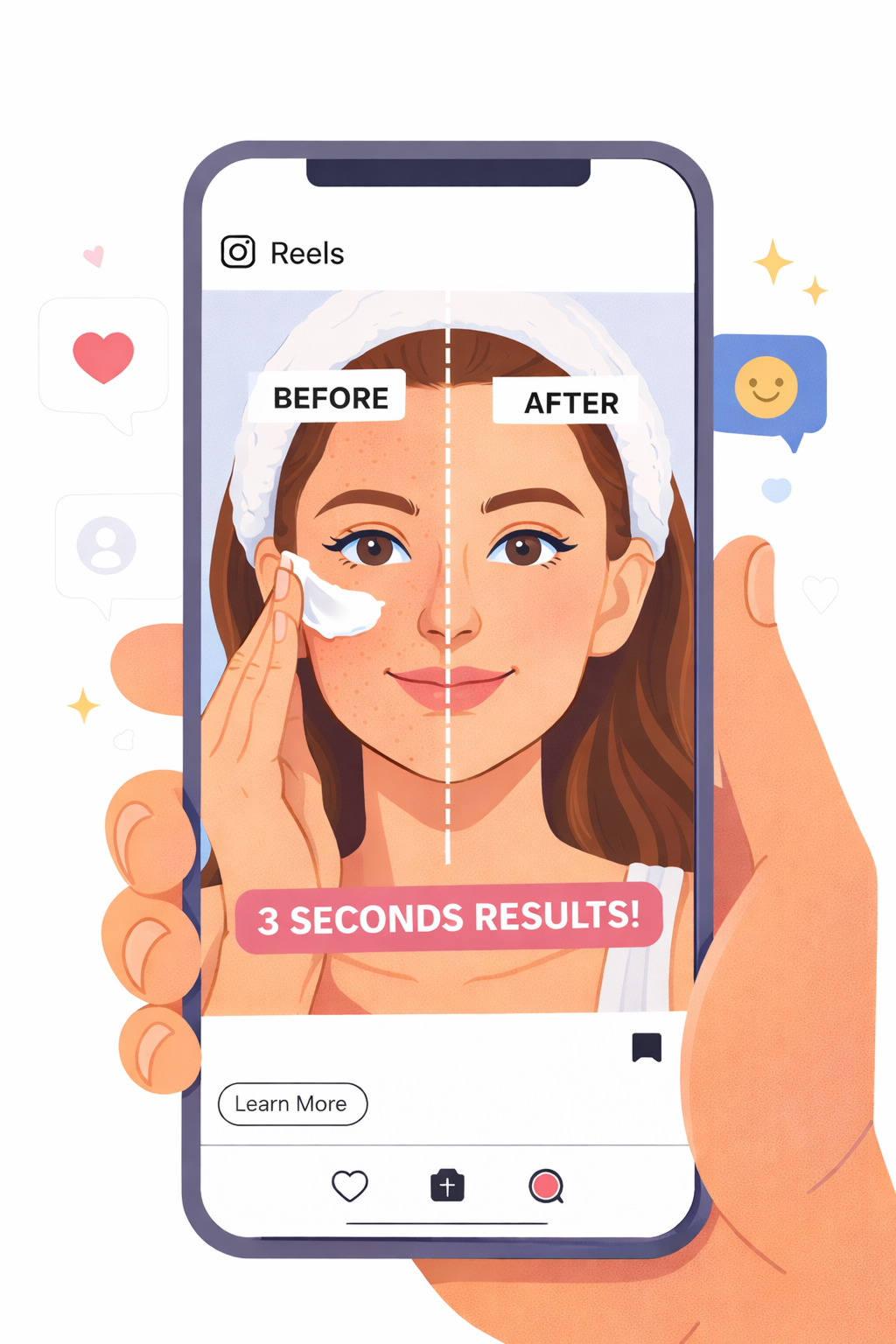
To stand out, your creative should communicate what the product does, who it’s for, and why it matters — all in the first few seconds:
-
Start with motion. Use fast visuals like a product drop, swipe, or quick before-and-after to catch attention.
-
Show the product right away. Don’t open with lifestyle shots or long intros. The product should be front and center.
-
Use on-screen text to explain the value. Add captions like “Heats in 30 seconds” or “No-code needed” so it works with sound off.
-
Use native formats. Casual video styles like unboxings or demo clips often outperform overproduced ads.
For inspiration on creative structures that convert, read 10 tricks to make Instagram ads look more native.
Strong hooks drive performance — not fancy edits
Most Instagram ads fail because the opening line is weak. It doesn’t give people a reason to care. DTC brands often lead with branding or broad claims, which don’t create urgency or interest.
A great hook speaks directly to the user’s problem or curiosity. It gets them to stop and pay attention. Once you’ve earned that moment, your creative can do the rest.
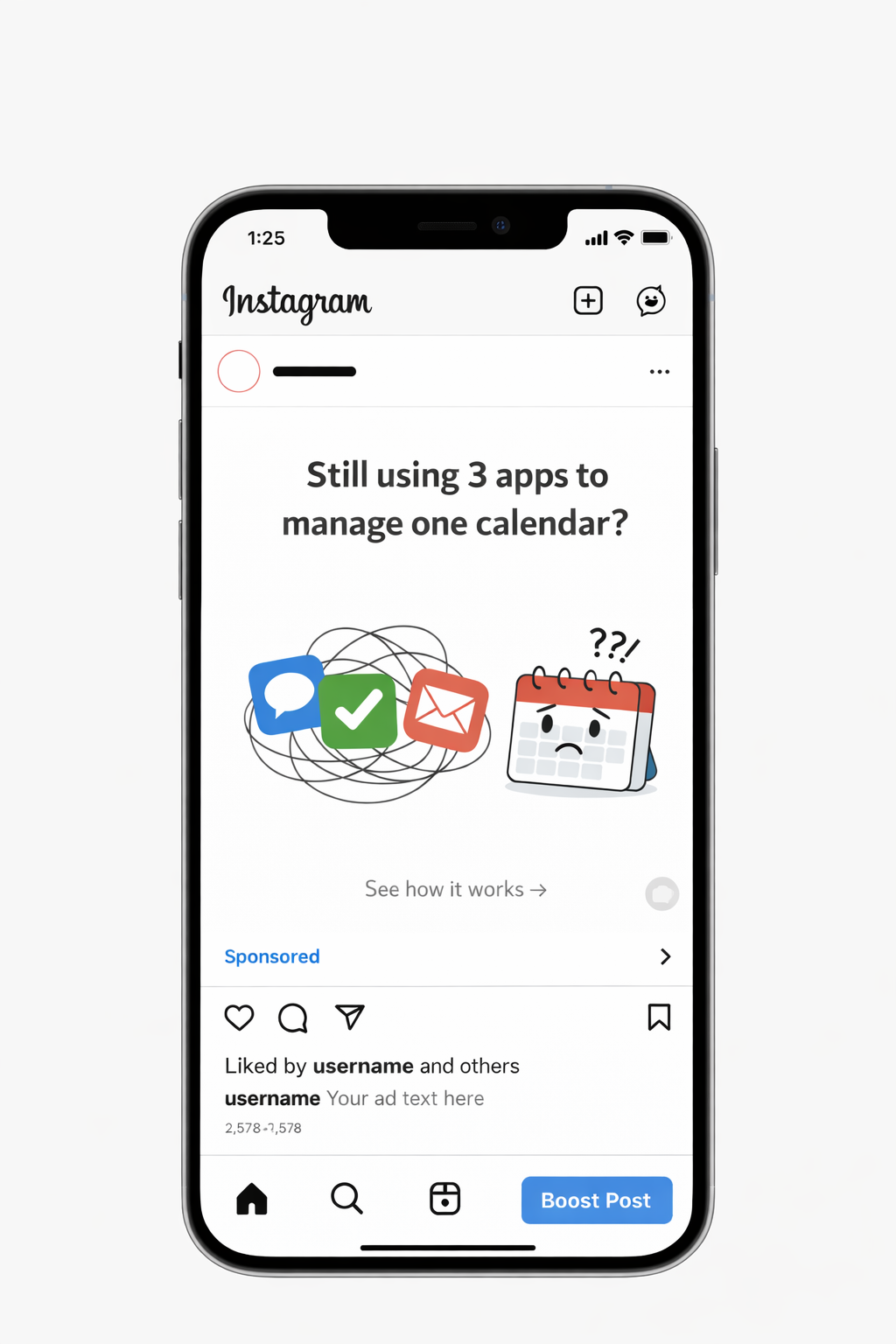
Hooks to test based on proven angles:
-
Problem-solving: “Still using 3 apps to manage one calendar?”
-
Time-saving: “Fold all your laundry in 5 minutes flat.”
-
Peer proof: “Why 20,000 runners switched to this hydration gel.”
-
Shock or curiosity: “This $8 brush cleaned our entire bathroom — without chemicals.”
-
Offer-driven: “Bundle ends tonight: 2 for $22 with free shipping.”
When a hook works, reuse it across formats instead of chasing new ideas. Most wins come from repeating a strong angle, not constantly reinventing the creative.
Targeting doesn’t drive performance — it supports it
Many DTC marketers try to win with precise targeting. But today’s ad system works best when you give it room to find converters. Narrow targeting, stacked interests, and static lookalikes often restrict reach and slow learning.
Instead, use targeting to guide the system — not control it:
-
Start broad. Let the system find who converts, then narrow based on real performance.
-
Refresh custom audiences. Use recent engagement or purchase data — not lists from 6 months ago.
-
Avoid stacking multiple interest layers. Too many filters kill delivery. One or two broad signals are enough.
-
Group audiences by intent. Run cold prospecting, warm retargeting, and customer campaigns separately to control creative and spend.
For advanced strategies, see how smart brands avoid targeting overlap.
The landing page is part of the ad — not an afterthought
Most drop-off happens after the click. Your ad makes a promise — but the landing page doesn’t deliver. If the page looks different, loads slowly, or hides the offer, users bounce before taking action.
To keep momentum, your landing experience should feel like a continuation of the ad:
-
Repeat the hook from the ad. The headline and first image should match what the user clicked.
-
Show the product and offer immediately. Don’t hide pricing, bundles, or promos under multiple scrolls.
-
Use short copy and clear benefits. Think bullet points like “30-day battery life,” “Water-resistant,” “Free returns.”
-
Optimize for mobile. Compress images, remove extra scripts, and ensure CTAs are easy to tap.
Think of your landing page as the second frame of your ad — if it doesn’t deliver fast, the sale is already lost. Every second of delay or confusion increases your cost per conversion.
You don’t need more content — you need better testing
Scaling on Instagram isn’t about creating endless content. It’s about testing in a way that shows what’s actually working. Most DTC brands test too much at once — changing the hook, video, offer, and CTA in one go — and learn nothing.
Tighter tests give you real insights you can use to improve results:
-
Test one thing at a time. Keep the visual constant and swap only the hook or headline.
-
Use naming conventions. Label creatives by what’s being tested — e.g., “HOOK_PainPoint_VIDEO1” — so reporting is clear.
-
Track deeper metrics. Clicks don’t tell the full story. Monitor add-to-cart rates, conversion rate, and cost per purchase.
-
Recycle what wins. A strong hook that works in video can also work in a carousel or story ad.
The goal isn’t just variety — it’s clarity. A simple testing system helps you double down on what works and drop what doesn’t before wasting budget.
Standing out comes from structure, speed, and clarity
You’re not competing with other DTC brands — you’re competing with everything in the feed. The brands that stand out don’t always have better products. They have faster creative, simpler account setups, and sharper testing systems.
If your ads are getting scrolled past, don’t jump to new platforms or new trends. Go back to your message. Fix your structure. Test what your audience actually responds to — then build around it.