Many marketing teams successfully capture leads — but only a fraction are actually ready for a sales conversation. Research shows that up to 67% of lost deals result from leads being contacted too early. Without a solid qualification system, sales pipelines fill with noise instead of revenue.
Lead qualification filters help identify which contacts have the highest buying potential, improve conversion rates, and reduce wasted sales hours. Below are the filters that consistently deliver better-quality, sales-ready leads.
1. Demographic Fit: The Foundation of Qualification
Start by filtering out leads who fall outside your ideal customer profile (ICP). Basic attributes often predict immediate relevance:
-
Industry
-
Company size
-
Job title or seniority
-
Geographic location
Studies show that companies applying demographic filters early experience up to 30% higher sales productivity because reps focus only on relevant prospects.
2. Engagement Level: Signals of Real Buying Intent
Engagement is one of the strongest indicators that a lead is progressing toward a purchase. High-intent behaviors include:
-
Visiting pricing pages
-
Repeated website sessions
-
Interacting with email campaigns
-
Downloading value-rich content
According to marketing benchmarks, leads demonstrating high engagement convert 2.5x more often into qualified opportunities compared to low-engagement leads.
3. Behavioral Scoring: Combining Actions Into Clear Scores
Behavioral scoring assigns values to actions to generate a total lead score. This helps marketing and sales align on what “qualified” actually means.
Examples of weighted behaviors:
-
+10 points: Product comparison page visit
-
+20 points: Webinar attendance
-
+30 points: Requesting more information or replying to nurturing emails
Teams using scoring models report up to 25% faster lead-to-opportunity cycles because sales gets clearer qualification indicators.
4. Budget, Authority, Need, Timeline (BANT) Filters
Even with strong engagement, not every lead is immediately ready to buy. BANT filters help determine readiness:
-
Budget — Do they have financial capacity?
-
Authority — Are they decision-makers or influencers?
-
Need — Is the problem urgent?
-
Timeline — How soon do they need a solution?
Companies applying BANT-style qualification report shorter sales cycles and higher close rates, as reps prioritize leads with confirmed buying potential.
5. Negative Filters: Removing Low-Quality Leads Early
Negative filters improve the quality of your pipeline by eliminating leads who are unlikely to convert.
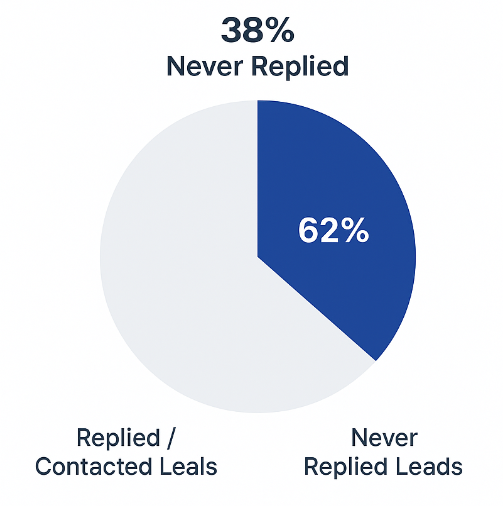
38% of online leads never receive a reply — highlighting the importance of effective lead qualification and timely follow-up
Common negative qualifiers:
-
Competitors
-
Students or job seekers
-
Countries not served
-
Leads with incomplete or invalid information
Removing unqualified leads early can reduce sales workload by up to 40%, giving teams more time for high-value conversations.
6. Combining Filters for Maximum Precision
The highest-performing teams combine demographic, behavioral, and BANT-based filters, creating multi-layered qualification that surfaces only the most sales-ready leads.
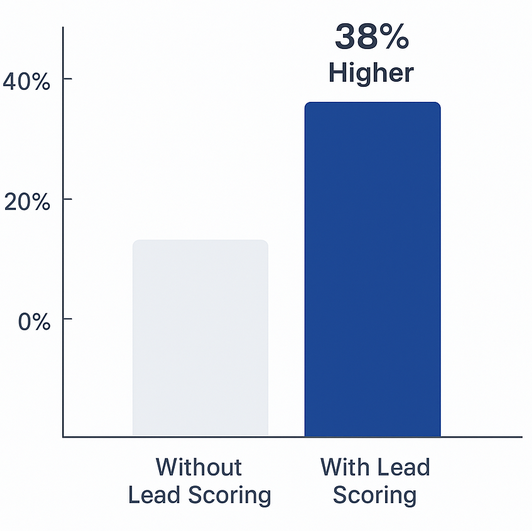
Organisations using lead-scoring report ≈ 38% higher lead-to-opportunity conversion rates
When layered correctly, organizations often see:
-
Higher meeting acceptance rates
-
Lower cost per opportunity
-
Better forecast accuracy
3 Articles You May Find Useful
-
How to Use Social Proof in Ad Creatives
-
Landing Page Speed: Cut Load, Boost CR
-
Lead Nurture Emails That Lift ROAS
Strong qualification is not about reducing lead volume—it's about elevating quality. By applying the right filters, teams move from chaotic pipelines to predictable revenue, where every sales conversation has real potential.