Meta Ads Manager is a powerful tool — but it’s far from perfect. Many advertisers lose money not because their product or message is bad, but because they unknowingly run into limitations baked into Meta’s system.
These blind spots often go unmentioned in Meta’s documentation. But over time, they quietly drain your budget, distort your results, and stall scale.
Below, we break down key Meta Ads limitations that impact targeting, optimization, reporting, and audience strategy — along with what to do instead.
1. Shrinking Control Over Targeting
Meta limits access to specific, high-intent audiences
Over the years, Meta has reduced many precise targeting options. You can no longer directly target Facebook Group members, page followers, or certain detailed interests that once offered strategic leverage. Here’s how LeadEnforce helps work around those limitations.
Instead, Meta increasingly promotes Advantage+ targeting, which uses machine learning to reach broad audiences based on “likely performance.” While efficient for some, this approach removes advertiser control and hides the true sources of results.
Why this costs money:
-
You can’t reach niche segments that mirror your ICP (ideal customer profile).
-
You end up paying for broad reach without knowing what’s truly converting.
What to do instead:
Use audience research tools like Leadenforce to simulate access to interest-based or community-aligned audiences.
2. Auction Learning Rewards Short-Term Engagement
Meta often favors quick wins — not long-term performance
Meta’s auction system rewards ads that get engagement fast. If an ad performs well in the first few hours, it receives more impressions — even if the traffic doesn’t convert down the line.
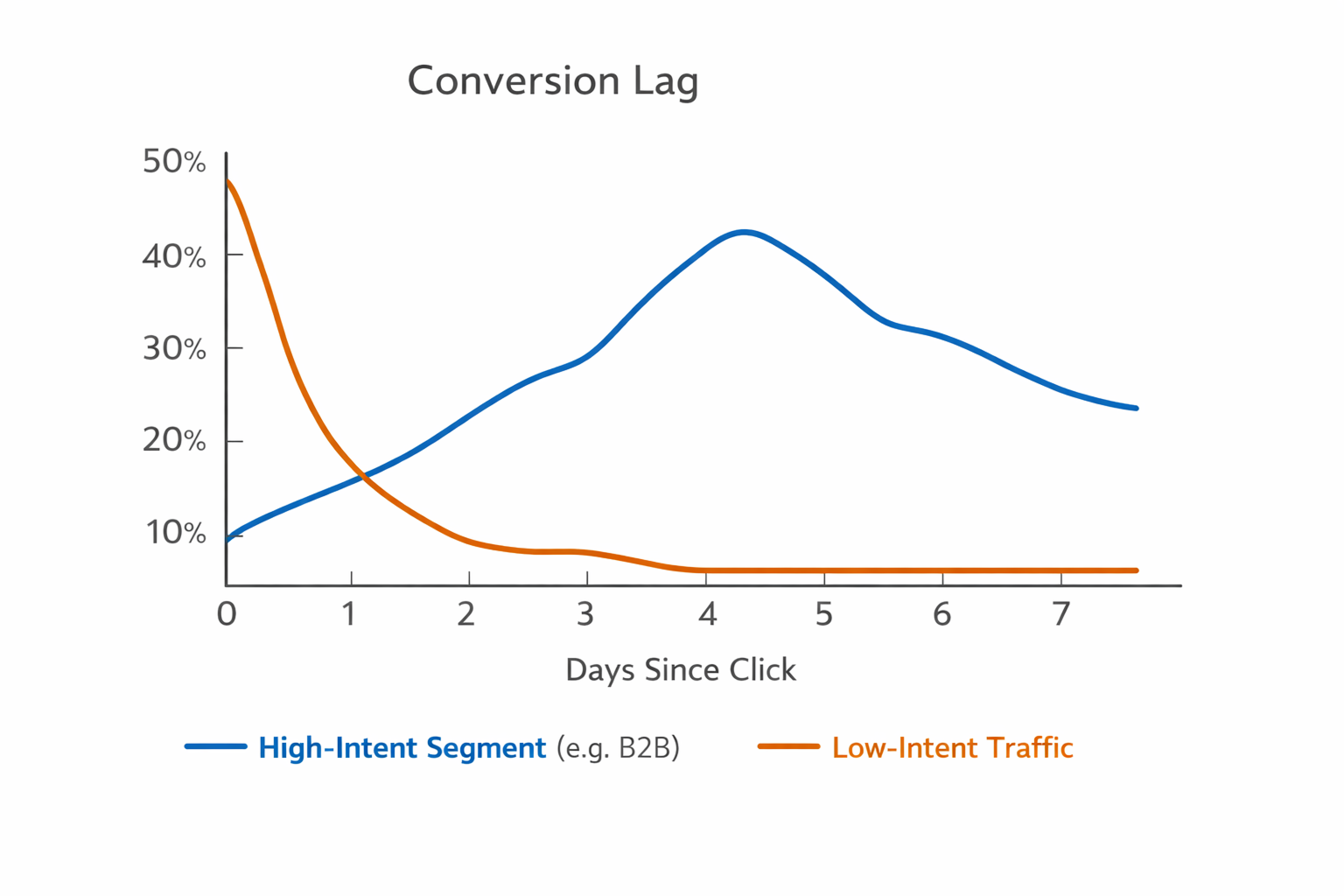
This behavior is common with placements like Reels, Stories, or Suggested Posts, where clicks are cheap but intent is often low.
Why this costs money:
-
Budget flows to high-engagement ads that don’t convert.
-
Lower-quality traffic drives up volume metrics but hurts profitability.
What to do instead:
Analyze performance by conversion lag — not just daily results. This article explains how attribution delays affect campaign evaluation. Use longer attribution windows and cohort analysis to understand how performance unfolds over 7+ days. Don’t judge campaigns too early — especially for products with longer decision cycles.
3. Frequency Control Is Often Indirect or Hidden
Meta may not give you full control over how often ads are shown
While you can control budgets and delivery pacing, you rarely get explicit frequency caps at the individual level. In smaller or highly targeted audiences, this can lead to ad fatigue from users seeing the same ad multiple times per day.
This is especially problematic in remarketing, where audience pools are narrow and refresh slowly.
Why this costs money:
-
Engagement drops due to overexposure.
-
Retargeting ads lose effectiveness before users are ready to act.
What to do instead:
Manually rotate creative and run sequenced messaging to extend lifespan. Use retargeting best practices to avoid oversaturation and segment audiences by engagement level or funnel stage.
4. Mid-Funnel Behavior Is Underrepresented
Meta’s native reporting often ignores the consideration phase
Most advertisers measure success in terms of awareness or conversion. But mid-funnel behavior — like product research, returning site visits, or high-value engagement — is rarely surfaced in Meta’s default reports.
If you sell high-ticket products or operate in B2B, skipping this phase distorts campaign evaluation.
Why this costs money:
-
You stop campaigns that are actually building future conversions.
-
You can’t distinguish between low- and high-quality engagement.
What to do instead:
Define and track soft conversions: time on site, return visits, resource downloads, long video views. Create custom events to mark these actions, and retarget users based on actual buying behavior, not just clicks.
5. Automation Prioritizes Volume Over Context
Meta’s automation doesn’t always match your business goals
Meta’s newer campaign types — including Advantage+ Shopping, auto placements, and broad targeting — are optimized for short-term volume. While they reduce manual work, they often favor cheaper traffic that doesn’t align with brand-specific goals or quality requirements.
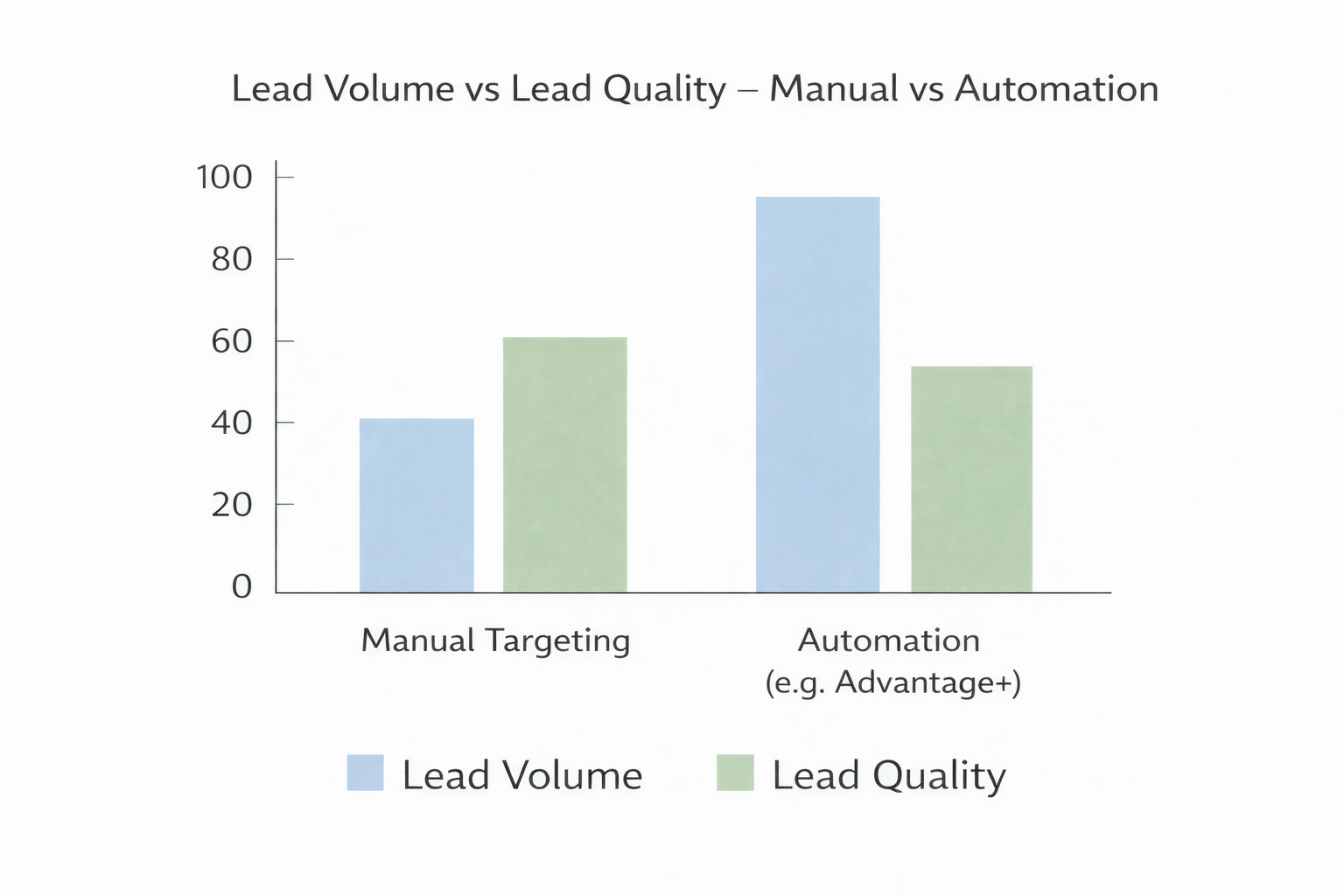
This can be risky for brands selling complex solutions, targeting high-LTV customers, or working in narrow verticals.
Why this costs money:
-
You get leads or purchases that look good on paper but never pay off.
-
You lose visibility into what kind of user your budget is attracting.
What to do instead:
Use automation selectively. Start with manual targeting and placements to identify what works, then layer in automation once you’ve defined constraints. Learn how to combine manual and Advantage+ targeting wisely.
Final Thoughts: Meta Ads Work Better With External Intelligence
Meta’s ad platform is designed to be scalable and user-friendly — not necessarily strategic. It assumes your goal is efficiency at scale, not depth, precision, or insight.
But advertisers working in competitive spaces, with longer sales cycles or niche audiences, often need more than Meta’s native tools allow.
To reduce waste and unlock better results:
-
Gain source-level visibility.
-
Track beyond Meta’s default attribution.
-
Build audiences using insights Meta doesn’t give you.
When you bring your own intelligence to the table, Meta stops being a black box — and starts delivering strategic results.