Many ad campaigns follow standard practices and still underdeliver. Not because the strategy is wrong, but because the execution is either too basic or misaligned with how platforms actually work.
To run a high-performing campaign, you need more than just a good idea and decent creative. You need to understand the dynamics of attention, platform algorithms, and how real people move from curiosity to action.
Let’s look at the elements that truly make a marketing campaign successful, especially on Facebook and Instagram.
1. Creative That Matches Platform Behavior
Designing for the right format is common. Designing for how users behave on that platform is what really matters.
People scroll quickly on Instagram Stories. They pause longer on feed posts. Reels get watched with sound. Each behavior calls for different creative thinking.
For example:
-
Start with movement, not intros. Hook people immediately or risk getting skipped.
-
Use the platform’s native tone. Highly polished product shots work in feed placements, while raw, fast-paced edits work better in Reels.
-
Incorporate pattern disrupts. Try reversed motion, jump cuts, or zooms to draw attention without feeling forced.
Learn more in Ad Creative for Scroll-Stoppers: How to Design for Fast-Thumb Users.
2. A Structure That Feeds the Algorithm
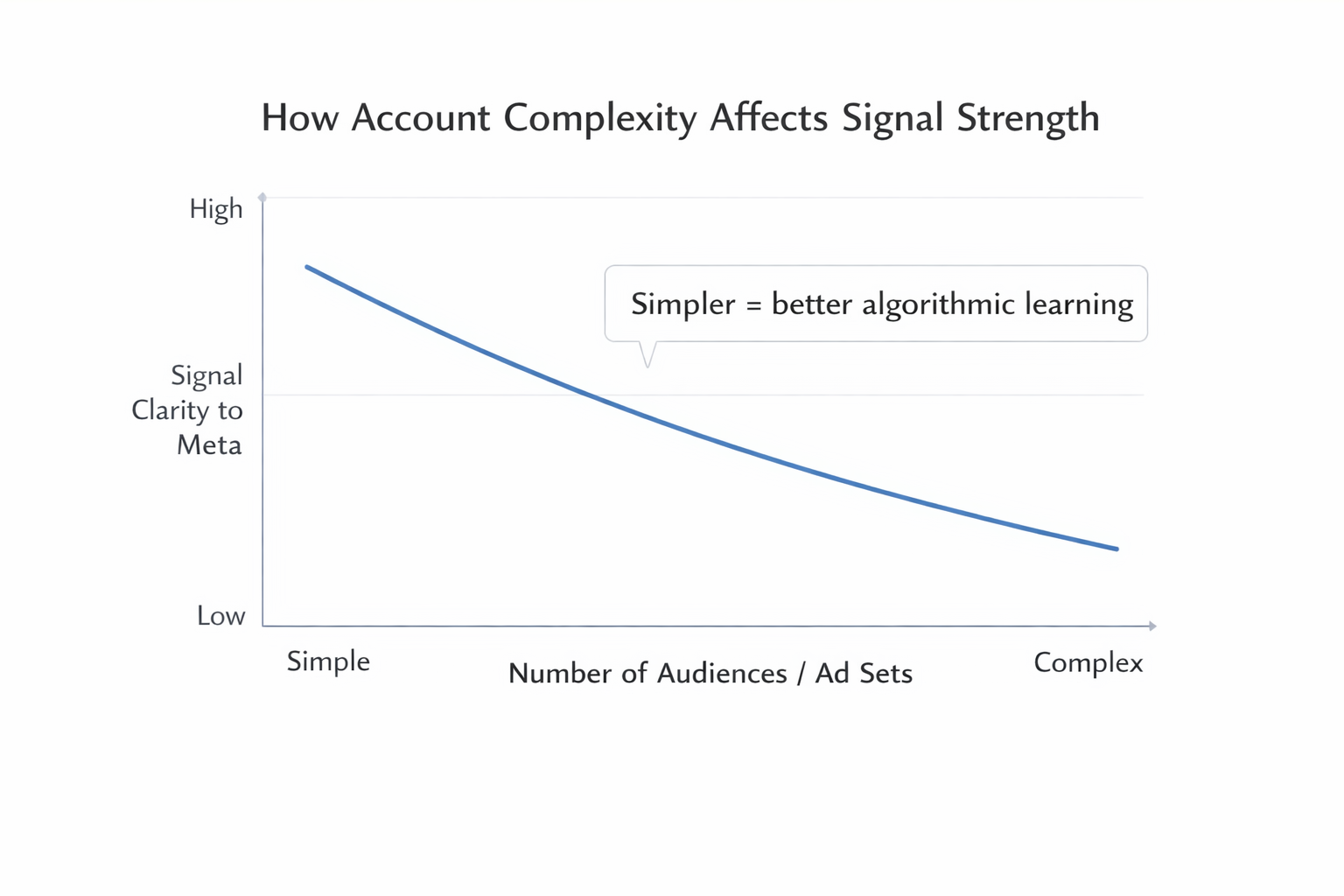
Facebook’s delivery system relies heavily on signals. Your job is to create a clean, consistent environment that helps the algorithm learn.
Avoid overengineering your ad sets. Don’t flood the account with dozens of narrow audiences. Simplify your structure and focus on signal quality.
Here’s how:
-
Keep cold and warm traffic separate. Mixing them confuses the optimization logic.
-
Use fewer ad sets with clearer goals. Focus on learning efficiency, not audience micromanagement.
-
Avoid early signal noise. Low-quality forms or mismatched landing pages send the wrong signals and hurt long-term delivery.
For more, read Meta Campaigns Explained: How to Structure High-Performance Campaigns.
3. Realistic Expectations Around Conversion Timing
Social platforms don’t convert like search. Paid social often involves delayed conversion. People might click on your ad today and buy five days later—especially with higher-cost or considered purchases.
If you judge success too quickly, you’ll shut off campaigns that were working. This is especially common with upper-funnel or B2B campaigns.
To handle that properly:
-
Track conversions beyond Day 1. Look at 3-day and 7-day attribution, not just same-day results.
-
Understand your audience’s buying cycle. A $15 product and a $5,000 offer follow different timelines.
-
Set budget pacing accordingly. Don’t judge campaigns until there’s enough data across the conversion window.
See also: Understanding the Conversion Window in Facebook Ads.
4. A Clear, Aligned Funnel Experience
Even great ads won’t work if the post-click experience breaks the promise. Too often, landing pages feel like a separate campaign.
Consistency between the ad and the destination matters more than clever copy. Small misalignments reduce trust and tank conversions.
Make sure to:
-
Match the message visually and verbally. If your ad promises “30% off for new customers,” that should be the first thing users see after clicking.
-
Minimize page friction. Avoid slow loads, confusing copy, or unnecessary steps.
-
Keep mobile top of mind. Facebook and Instagram are mobile-first. If your site isn’t, you’re paying for wasted clicks.
For implementation tips, check out Creating a Seamless Experience Between Ads and Landing Pages.
5. A Modular Testing Framework (Not Random Experiments)
Most advertisers say they’re testing. In reality, they’re just trying new ideas with no clear learning path.
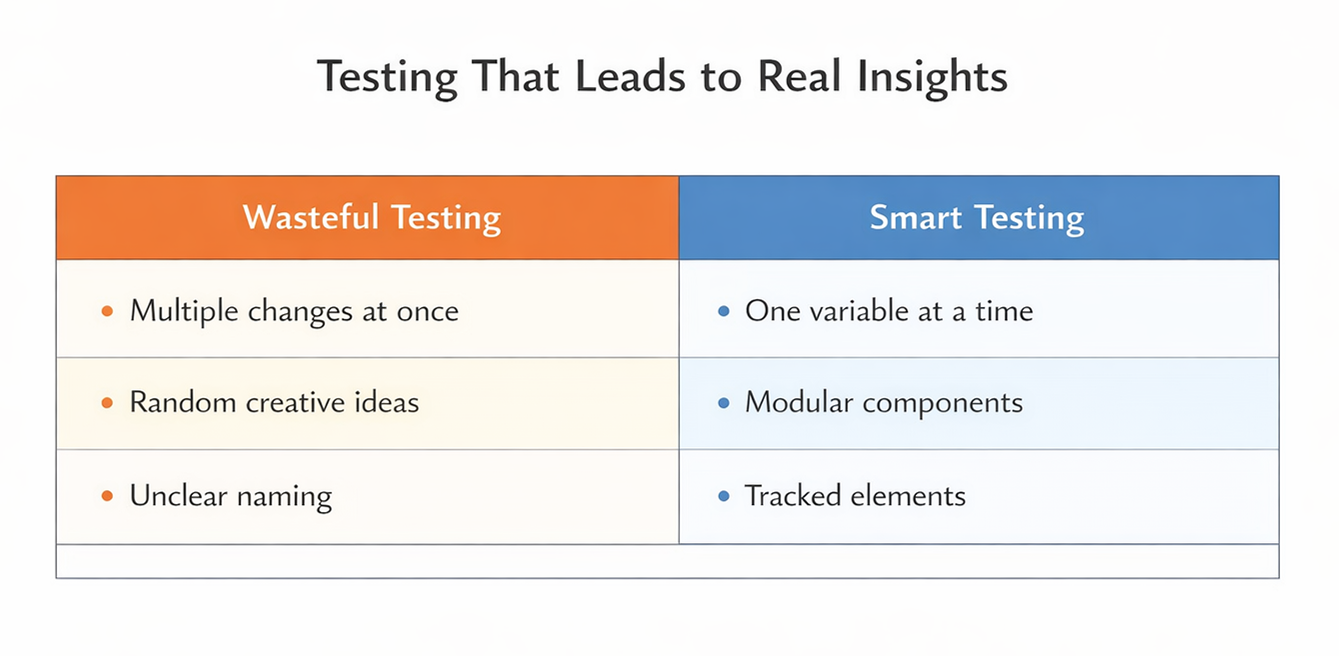
True testing requires a system. You should isolate variables, track patterns across campaigns, and build creative components you can reuse or swap in.
Start with this approach:
-
Change one variable at a time. Test different hooks, offers, formats, or CTAs—one per test.
-
Name your creatives clearly. So you can track what works across multiple campaigns, not just one.
-
Build modular content. Create ads with interchangeable parts (like intros, product highlights, or endings) so you can scale fast without recreating from scratch.
If you want to go deeper, read Key Strategies for Facebook Ad Testing: What You Need to Know.
6. Feedback That Comes from Real Outcomes, Not Just Ad Metrics
Great campaigns are shaped by real-world results, not just clickthrough rates.
Talk to your sales team. Listen to your customer support tickets. Use data from CRM or analytics platforms. Ads Manager only tells part of the story.
Use these sources to improve your campaigns:
-
Sales insights. What’s holding people back from converting? Use your ads to address those concerns directly.
-
Lead quality tracking. Which ad sources lead to closed deals, not just form fills?
-
On-site behavior. Tools like Hotjar or session recordings can show you where users are dropping off or getting confused.
Success Comes From the System, Not a Single Ad
A successful campaign isn’t a lucky one. It’s the result of structure, creative thinking, and data-informed adjustments.
The best campaigns reflect the platform’s dynamics, the audience’s mindset, and the brand’s unique strengths. They evolve over time, getting sharper with every test and feedback loop.
At LeadEnforce, we help advertisers build campaigns that are smarter from the start. With the right structure in place, good results stop being rare and start becoming consistent.