Meta’s algorithm rewards advertisers who learn quickly. Micro-tests let you evaluate variations at a small scale before investing in full-budget campaigns. Instead of spending weeks on broad experiments, you can identify top performers within days.
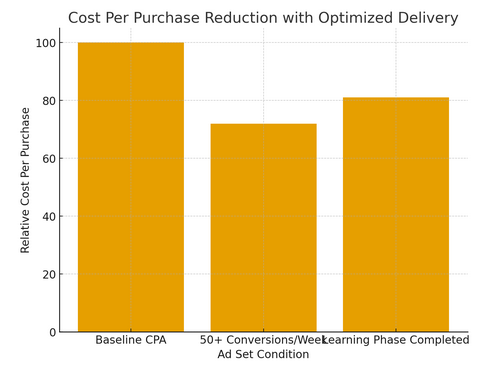
A quick test-and-iterate cycle also reduces costs. Studies show that advertisers who apply structured testing see an average 30–50% reduction in cost per acquisition after scaling winning variables.
What Exactly Is a Micro-Test?
A micro-test is a short, low-budget experiment focused on isolating and validating a single variable:
-
A headline
-
A creative angle
-
A hook in the first 3 seconds of a video
-
A CTA variation
-
An audience segment
-
A placement strategy
Budgets typically range between $10–$50 per variation, and tests usually run for 24–72 hours, depending on delivery and volume.
The goal is not statistical perfection but directional learning: Which option shows clear performance lift with minimal spend?
Micro-Test Ideas That Deliver Fast Wins
1. Hook Testing for Video Ads
Most viewers decide within 1.5–3 seconds whether to continue watching. Testing 3–5 hooks can increase thumb‑stop ratio by 20–40%.
Example hooks to test:
-
A bold visual contrast
-
A surprising statement
-
A short problem–solution pattern
2. Creative Format Testing
Carousel, static, vertical video, and Reels each attract different behavior. A Meta study found that vertical mobile‑optimized videos drive up to 10–15% higher conversion rates than traditional formats.

Broad creative testing (3–10 creatives) can reduce CPA by up to 46%
Micro-test each format using the same message to identify the most efficient one before scaling.
3. Audience Fragment Testing
Instead of launching one broad audience, test 3–6 micro-segments:
-
Interest clusters
-
Lookalikes (1%, 2–5%, 10%)
-
Warm segments
Advertisers who segment audiences see up to 2× improvement in cost per result after optimization.
4. CTA Variants
Even small CTA changes can create meaningful lift. In comparative tests, switching from generic CTAs to action-oriented or benefit-focused CTAs increased CTR by 12–18%.
How to Structure a Simple Micro-Test
Step 1: Choose One Variable
Never test multiple variables at once — the purpose is fast clarity.
Step 2: Keep Budgets Minimal and Even
Assign equal budgets to each variation to ensure clean comparisons.
Step 3: Run for a Short Window
24–72 hours usually provides enough data unless your niche requires more impressions.
Step 4: Use Clear Decision Rules
Example:
-
Pause variants with a cost per result 30% higher than the best performer
-
Promote the winner to the main campaign
Step 5: Scale Only Proven Winners
After validation, move the winning creative or audience into your primary campaign structure and increase budgets gradually.
Useful Micro-Test Performance Metrics
-
CTR (indicator of creative relevance)
-
Thumb-stop rate (video stopping power)
-
Cost per add to cart / lead / trial
-
Hold rate at 3 seconds and 10 seconds
-
Conversion rate per placement
Patterns often emerge quickly — the best-performing variation typically outperforms others by 20–60%.
Example Micro-Test Workflow
-
Choose one hypothesis: “Hook A will outperform Hook B.”
-
Build two creatives with identical visuals and messaging outside the hook.
-
Launch at $20 per variation.
-
Evaluate after ~48 hours.
-
Scale the winner and feed learnings into the next test.
Using ongoing micro-tests weekly or biweekly helps maintain consistent campaign performance and reduces creative fatigue.