January is often treated as a pause. Budgets reset. Teams regroup.
But if you’re running Meta campaigns, this is not the time to go quiet.
Q1 isn’t just a recovery period after the holidays. It’s a clean slate for your ad funnel. Your audience is planning, budgeting, and reflecting. If you meet them with the right message and structure, you can turn that intention into revenue.
Facebook and Instagram ad costs often dip in January. This creates room for smarter tests, clearer positioning, and lower-cost customer acquisition — if you stay active.
Set Specific Goals, Not Generic Ones
Broad Q1 goals like “get leads” or “grow awareness” won’t guide campaign decisions. Your strategy should reflect your sales cycle, funnel gaps, and what Q4 data revealed.
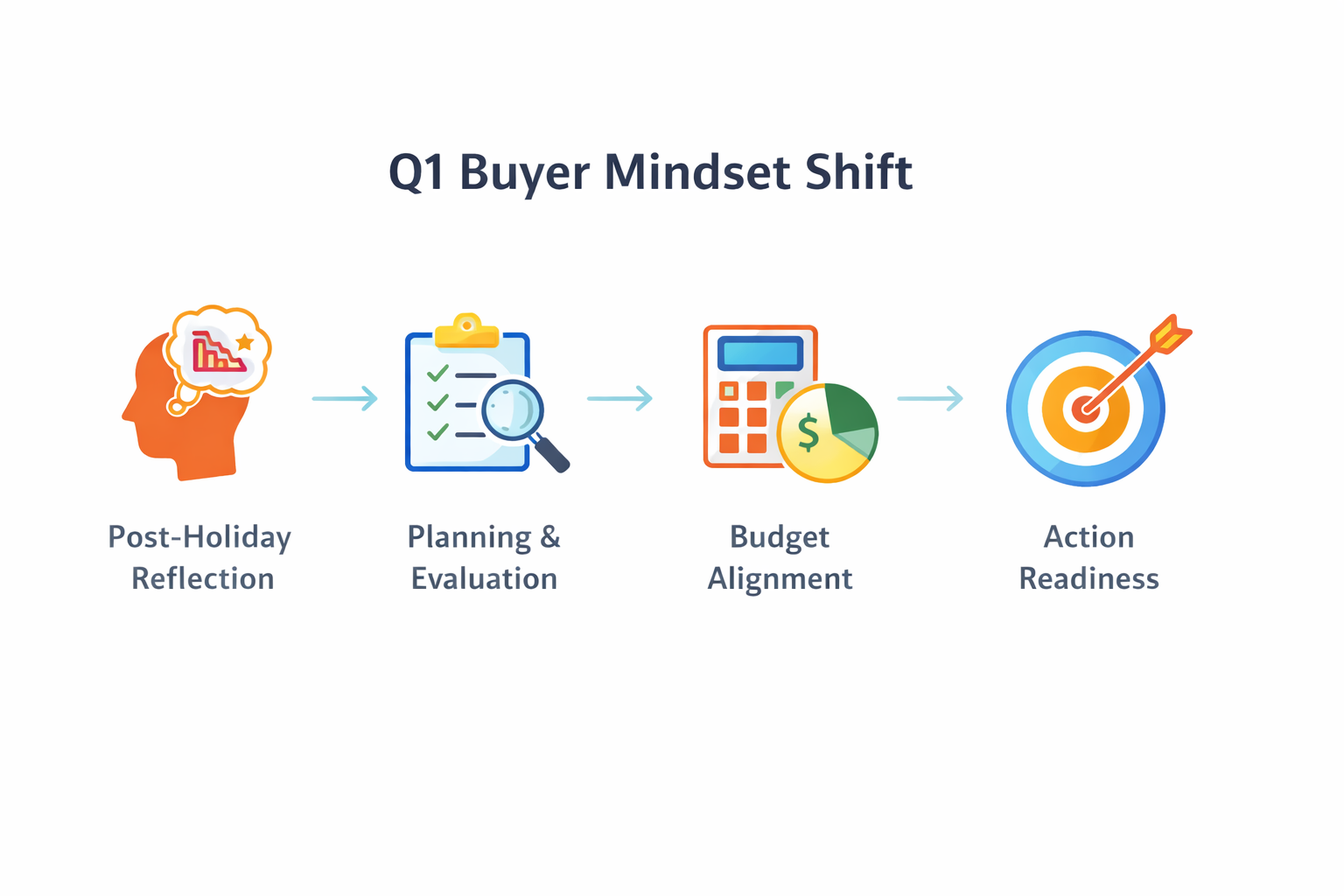
Before building anything, get precise. Decide which KPIs matter, what you’re trying to improve, and which signals you need more of.
Break Goals Down by Funnel Stage
This is one of the simplest ways to plan meaningful campaigns:
-
Top-of-funnel: Prioritize reach, video views, or landing page traffic. Use engaging formats like Reels or carousels. Example: A carousel walking through common pain points with soft branding.
-
Mid-funnel: Build intent. Retarget based on time-on-site or video completion. Use testimonial videos, live event ads, or lead magnets.
-
Bottom-of-funnel: Focus on conversion signals. Serve CRM-based audiences offers like free trials, onboarding guides, or time-limited consultations.
Update Your Creative for Q1 — Don’t Just Remove Snowflakes
Holiday visuals age fast. By January, they look out of place.
But removing seasonal elements isn’t enough. Your Q1 creative should align with the mental shift your buyers are experiencing.
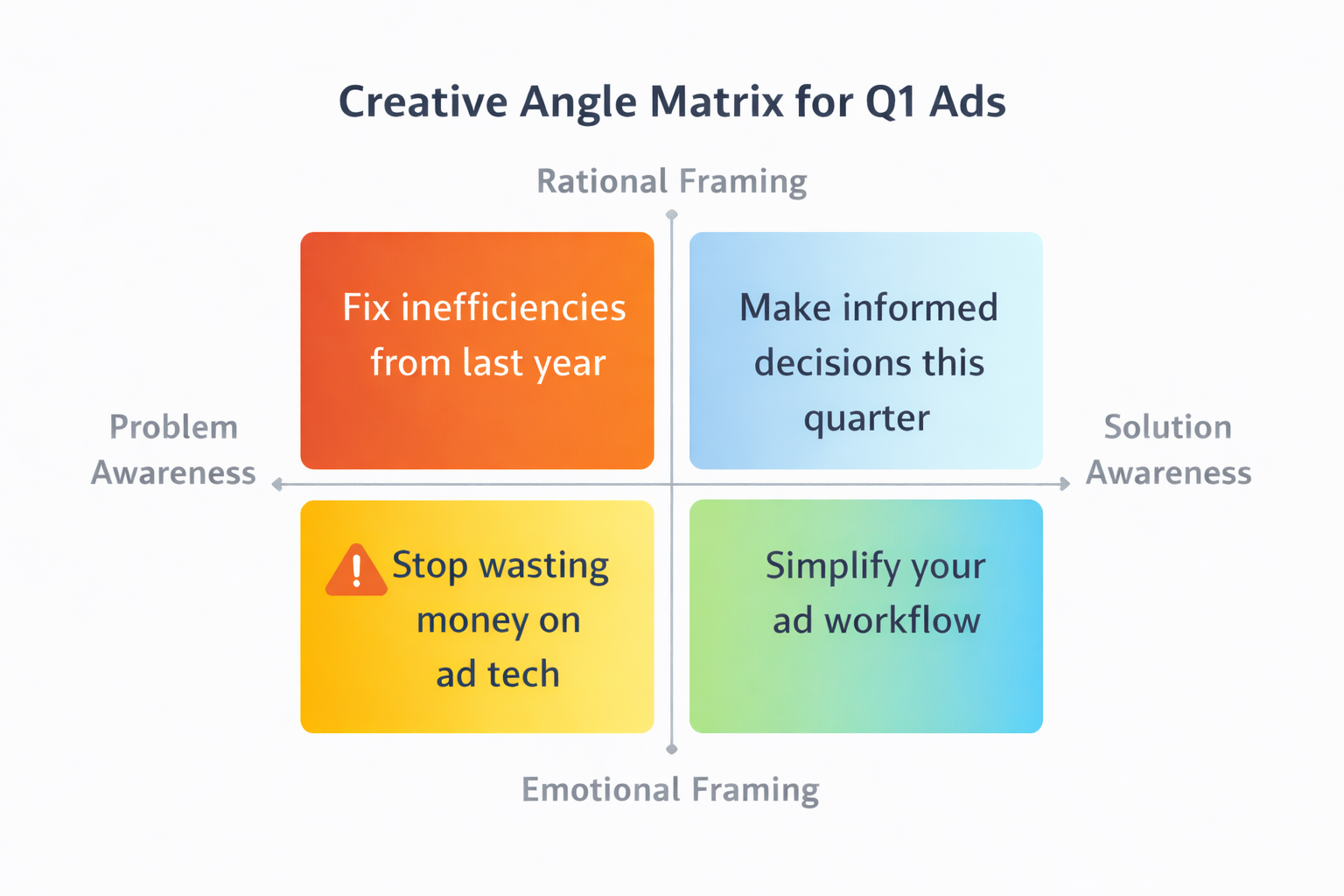
Instead of generic “fresh start” copy, focus on the pain points your audience is trying to solve right now — bottlenecks, inefficiencies, and missed opportunities from last year.
Position Your Product in a Q1 Context
Here are better creative angles to explore.
-
“Fix what didn’t work last year”: Show how your product corrects known inefficiencies. Example: “Spending too much to get low-quality leads? Here's a smarter way to build your funnel.”
-
“Make smarter decisions this quarter”: Offer frameworks, templates, or diagnostic tools that align with strategic planning.
-
“Do more with less”: Useful if your audience is operating with reduced teams or cautious Q1 budgets. Focus on value, not urgency.
If you’re unsure what’s actually landing with your audience, learn how to test creative formats with a clear goal behind each variation.
Rebuild Audience Segments Based on Q4 Signals
Q4 likely gave you more engagement data than any other quarter. Now is the time to organize and act on it.
If you’re still targeting broad lookalikes or interest stacks, you’re not using what you already own.
Focus on 3 Smart Segments
Don’t retarget everyone. Focus on high-signal groups that show clear potential:
-
Viewed or engaged in Q4, but didn’t convert: These users are already problem-aware. Use simple follow-ups with new Q1 messaging.
-
New leads captured during Q4: Upload to a CRM-based custom audience. Don’t pitch — educate.
-
High-value customer lookalikes: Build 1%, 3%, or even 5% lookalikes based on actual 2024 buyers. Not just email subscribers — focus on purchasers.
For help building these segments, see our guide on custom vs. lookalike audiences.
And if you’re unsure how to reach professionals effectively, B2B targeting without LinkedIn breaks down how to do it on Facebook and Instagram.
Use January for Testing, Not Scaling
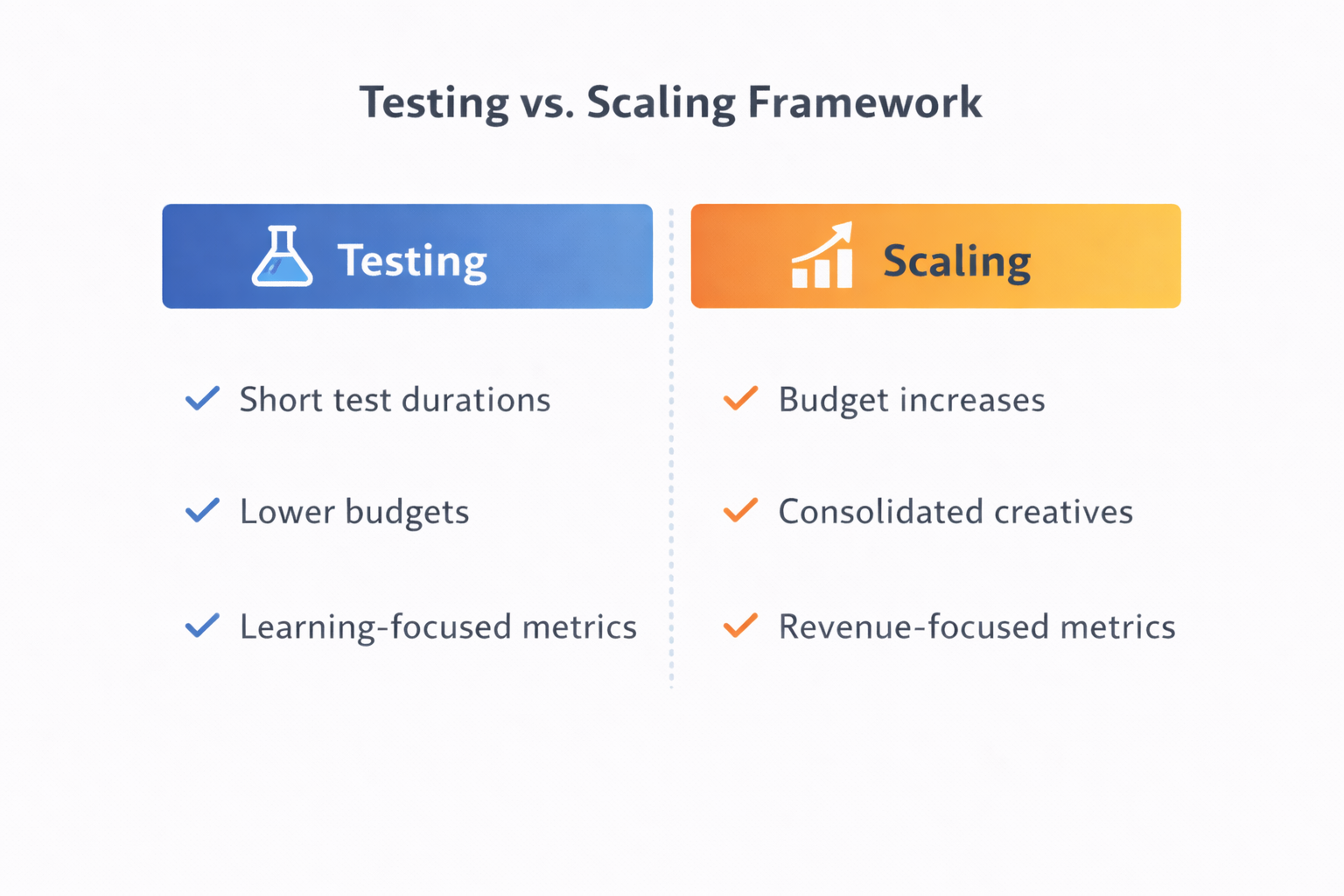
Q1 isn’t the time to double budgets. It’s the time to fix what underperformed and lock in what works.
Lower auction costs make this a good month to test — but only if those tests are structured.
Choose Tests That Influence Strategy
Avoid superficial tweaks like swapping button colors or headline synonyms. Instead, test factors that can shape your Q2 roadmap.
Examples include:
-
Creative format: Try a Reel with zero branding vs. a branded static ad. Track view-through rate, CTR, and saves.
-
Value proposition: Test two angles — for example, “automate lead scoring” vs. “stop wasting leads” — to see which message resonates.
-
Landing page clarity: Test short, mobile-first layouts with 1 CTA vs. longer educational pages.
Track micro-conversions, not just final sales. Insights gathered here should reduce guesswork in the next 90 days.
Plan Your Q1 Funnel Timing by Month
Don’t treat Q1 as a single phase. Each month has a different purpose.
Trying to convert cold traffic in early January is inefficient. The same offer could work far better in March — once the audience is primed.
Monthly Funnel Focus
-
January: Focus on education, audience building, and re-engagement. Introduce tools, not discounts.
-
February: Shift to nurturing. Use email sequences, case study content, and webinar invites to build trust.
-
March: Time to convert. Align your push with internal budget cycles and end-of-quarter urgency.
Final Takeaways
Q1 isn’t a reset — it’s a recalibration.
The advertisers who win this quarter aren’t the loudest. They’re the ones who:
-
Set funnel-specific goals and measure real progress.
-
Create content based on what buyers are trying to fix.
-
Segment their audiences with intent-based signals.
-
Use January to test ideas they’ll scale in March.
-
Respect the slower pace of early Q1 without going inactive.
It’s not about launching a big campaign. It’s about running a smart one.