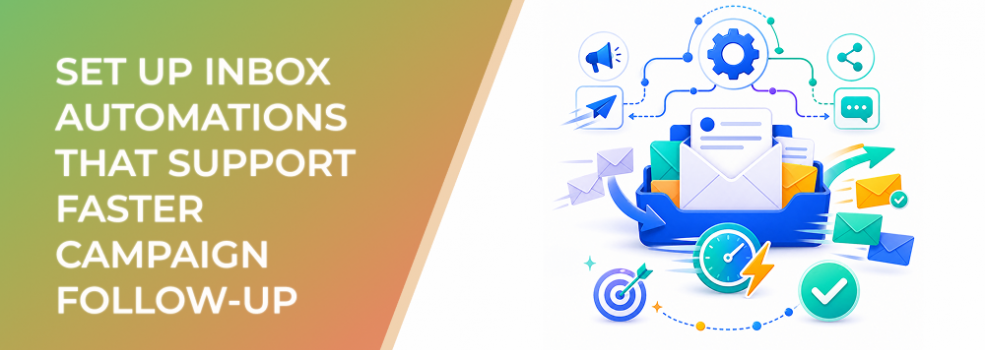
Inbox automations are easy to treat as a customer-service feature.
For advertisers, they should be treated as campaign infrastructure.
When Facebook, Instagram, or WhatsApp ads generate messages, every delay can reduce the chance of turning that interaction into a qualified lead, booking, quote request, demo, or purchase. Inbox automations in Meta Business Suite help reduce that delay, but the real value comes from how you structure them.
A good automation setup does not just reply quickly. It keeps campaign intent moving.
The issue: message campaigns fail when follow-up is inconsistent
Many advertisers invest time into campaign targeting, creative, and budget, then leave the inbox workflow underdeveloped.
That creates a common performance gap. The ad gets the click. The user sends a message. Then the response is slow, unclear, or handled differently by each team member.
From a reporting perspective, the campaign may still look active. You may see messages, clicks, or engagement. But if conversations are not moving toward qualification or conversion, CPA and CAC can rise quietly.
Inbox automations help standardize the first step. They are especially useful for:
- Greeting new contacts.
- Answering common questions.
- Collecting basic lead context.
- Setting response-time expectations.
- Routing users toward the right next action.
Business impact on budget efficiency
Automations affect paid performance by reducing leakage between the ad click and the follow-up conversation.
When automations are structured well, they can support:
- Lower wasted spend because fewer inbound leads are ignored or mishandled.
- Better lead quality because the first response can collect qualifying context.
- Improved conversion rate because users stay engaged after clicking.
- Lower CAC pressure because more paid conversations have a chance to progress.
- Faster testing because campaign teams can compare which audiences create useful conversations, not just message volume.
The important metric is not “how many automated replies were sent.” The important question is whether automation helped more qualified users reach the next step.
Typical scenarios where inbox automations apply
Paid lead-gen campaigns
If a campaign drives prospects to Messenger, Instagram Direct, or WhatsApp, automation can create an immediate first touch before a sales rep responds.
Local service ads
Businesses that depend on quotes, appointments, or availability questions can automate the first step and reduce missed opportunities.
Ecommerce support before purchase
Shoppers often ask about shipping, sizing, compatibility, or stock before buying. Automations can help clarify the path without sending every question to a human immediately.
Agency-managed accounts
Agencies handling multiple clients can use automations to keep response quality consistent across accounts.
B2B qualification
For higher-consideration offers, automations can ask about company size, role, budget, timeline, or current tools before the lead reaches sales.
Risks and considerations
Automation can create false efficiency.
A team may feel organized because every message receives a reply, but that does not mean the reply is helping performance. If the automation is too generic, it may increase message volume while doing little for qualification.
Another risk is misalignment with the ad. If the ad promotes a free consultation but the automated response talks generally about services, the user may lose confidence. The first reply should reflect the promise that brought the user into the conversation.
Over-qualification is also a risk. Asking too many questions too soon can reduce conversion rate. The goal is to collect enough information to route the lead, not to replicate a full sales form in chat.
Prerequisites and dependencies
Before setting up inbox automations, clarify:
- Which channels are connected: Facebook, Instagram, WhatsApp, or all three.
- Which campaign types will drive messages.
- Which questions indicate high intent.
- Who owns follow-up after automation.
- What response-time standard your team can meet.
- Which messages should be escalated to a human.
- How lead quality will be reviewed after conversations.
Without these decisions, automations become isolated replies instead of a performance system.
How LeadEnforce helps
LeadEnforce improves the audience quality feeding into your inbox workflow.
Inbox automation works best when your campaigns attract users who are likely to care about the offer. If targeting is too broad, automation becomes a filter for irrelevant traffic. If targeting is relevant, automation becomes a conversion accelerator.
LeadEnforce helps advertisers build high-intent ad audiences from Facebook groups, Instagram profiles, followers, engagers, LinkedIn professional data, and custom social-profile data. That makes it easier to run message campaigns to people who already show category, community, competitor, or professional relevance.
In practical terms, LeadEnforce helps you reduce the amount of qualification pressure placed on the inbox. Better input audiences make better conversations more likely.
Practical recommendations
Build automations around campaign intent
Start with the campaign objective. A booking campaign, quote campaign, webinar campaign, and product-support campaign should not use the same first response.
Use short decision paths
Create simple paths such as:
- Pricing question.
- Booking request.
- Product question.
- Support request.
- Sales consultation.
This helps users self-select without feeling interrogated.
Keep human handoff visible
Let users know when a person will respond. For high-value leads, automation should quickly move toward human follow-up.
Review automation performance by audience
Do not only review aggregate messages. Compare which audiences create the best conversations after automation. This helps identify where targeting is helping or hurting.
Update automations after campaign changes
If you change the offer, creative, promotion, or CTA, update the automated response. A mismatch between ad and reply weakens trust.
Final takeaway
Inbox automations can improve response speed, but their real value is in preserving campaign intent.
They work best when they are short, relevant, and tied to a clear follow-up path. For marketers focused on CPA, CAC, and lead quality, automation should be judged by qualified outcomes, not by reply volume.
Pair relevant audience targeting with disciplined inbox automation, and message campaigns become easier to test, manage, and scale.
You can explore higher-intent audiences for message-based campaigns by joining the free 7-day LeadEnforce trial period.
Related LeadEnforce Articles
- Why Messenger Ads Perform Better for Service-Based Businesses — Shows why speed to conversation matters for service-based advertisers.
- How to Use Click-to-WhatsApp Ads to Build High-Intent Leads — Useful for structuring message campaigns that depend on immediate follow-up.
- How to Use Facebook’s Lead Ads Features for Effective Lead Generation — Explains native lead-generation options that can complement inbox automations.
- How to Leverage Meta Advantage+ Lead Campaigns for Higher-Quality Leads — Helps advertisers balance automation with lead-quality controls.