Getting clicks is easy. Getting purchases — that’s harder.
In ecommerce, the biggest mistake advertisers make is expecting instant conversions from cold traffic. Users see an ad once, click through out of curiosity, and then vanish. No add to cart, no purchase, no sign of life.
But here’s the thing: most people aren’t ready to buy the first time they hear from you.
They need warming up.
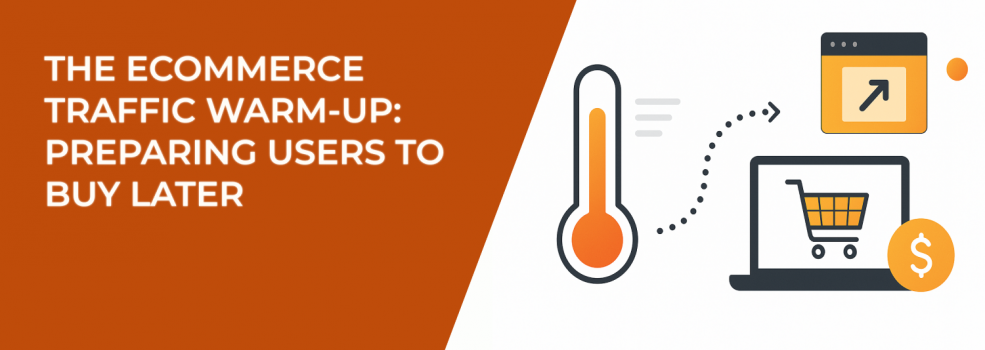
This guide breaks down how to strategically warm up ecommerce traffic so you’re not just chasing sales — you’re preparing your audience to actually buy later.
Why Traffic Warm-Up Matters More Than Ever
Think about your own online shopping habits. Do you buy the first product you see in a Facebook ad? Probably not. You browse, you compare, you forget, you come back. Then maybe — just maybe — you buy.
That same behavior is happening across your funnel.
And with rising ad costs, relying on “click-to-buy” journeys is no longer sustainable. You need sequences, stories, and strategy.
Warming up traffic is about building intent gradually — not forcing it.
Need a deeper breakdown of why some ads simply won’t deliver to the right audience? Here's why you see “Ad Set May Get Zero” on Facebook — and how to fix it before it derails your campaign.
Step 1: Use Low-Commitment Touchpoints First
Before someone buys, they need to trust you. But trust doesn’t start with a hard sell. It starts with micro-engagements that feel low-pressure.

Try these traffic warm-up tactics:
-
Promote value-first content (like blog posts, quizzes, or guides).
-
Run video view campaigns with educational or entertaining content.
-
Use polls or interactive formats to gather engagement signals.
Each of these actions gives your pixel something to work with — and builds brand familiarity without asking for too much.
And if your ads aren’t leading to conversions, this guide to fixing low-performing Facebook campaigns lays out quick diagnostics to get back on track.
Step 2: Segment Based on Engagement Signals
Once traffic starts flowing, don’t treat everyone the same. Some people clicked. Some watched a video. Others read a blog post and scrolled 80%.
These signals are your goldmine.
Build retargeting audiences based on specific actions, not just “website visitors.” For example:
-
People who watched 75% of your video.
-
Users who visited a product page but didn’t add to cart.
-
Readers who spent more than 30 seconds on your article.
This approach is more powerful than it seems. If you want to go even further, learn how to use Facebook’s detailed targeting to reach micro-niche ecommerce segments — especially if you're in a competitive category.
Step 3: Build Ad Sequences, Not One-Offs
One ad won’t do the trick — but a thoughtful sequence might.
Instead of hammering the same creative, build a warm-up funnel with multiple stages. It could look like this:
-
Stage 1 – Awareness: Introduce your brand through stories, mission, or UGC.
-
Stage 2 – Interest: Show how your product solves a problem or fits into a lifestyle.
-
Stage 3 – Trust: Share testimonials, reviews, press mentions, or influencer content.
-
Stage 4 – Offer: Now that they know and trust you — bring in the promotion.
If you're not already using structured funnels, check out this playbook on how to build a Facebook funnel strategy from audience identification to conversion. It’s the difference between a hopeful ad and a profitable system.
Step 4: Use Time-Based Exclusions to Avoid Burnout
Nobody wants to see the same ad 12 times.
While warming up traffic, use exclusions to control the journey. Exclude recent purchasers from prospecting ads. Remove users from step 1 audiences once they’ve engaged.
And here’s a smart trick: set custom time windows. For example, retarget viewers from the past 3 days with one message, and viewers from 10–20 days ago with a different one.
Time matters. A user who watched your video yesterday is more primed than someone who did it three weeks ago.
Step 5: Make Every Warm-Up Click Count
What happens when someone does click your warm-up ad?
Make sure the destination continues the story.
That means:
-
Landing pages should match the ad tone and message.
-
Content should feel native — not overly “salesy”.
-
CTAs should reflect where the user is in their journey.
For example, don’t send a first-time video viewer straight to a “Buy Now” page. Send them to a customer story or comparison chart. Ease them closer to the sale.
Also — if your warm-up campaigns aren’t getting past the early stages, you might need to optimize your ad settings. Learn how to finish the Facebook learning phase quickly to avoid burning budget on traffic that doesn't convert.
Final Thoughts: Warm Now, Win Later
You don’t need to sell on the first impression. In fact, trying too hard too soon can backfire.
The ecommerce traffic warm-up is about trust, timing, and tailored touchpoints.
When done right, it creates buyers who don’t need convincing — they’re already halfway there.
So next time you’re planning campaigns, ask yourself:
Am I building a path… or just hoping for a shortcut?