Product category isn’t just a label. It’s the foundation of your campaign strategy.
Whether you're selling $15 lip balm or $1,500 treadmills, your category defines how people discover, consider, and buy. If your campaign structure doesn’t match the real buying behavior behind your category, even great creatives and precise targeting will fall flat.
Let’s explore how to align your ad structure with your product category and why this matters on Facebook and Instagram.
What Does “Campaign Structure” Actually Mean?
Campaign structure is how you organize your advertising within Meta Ads Manager. It’s not just about toggling settings; it shapes how your budget, audiences, and creatives work together.
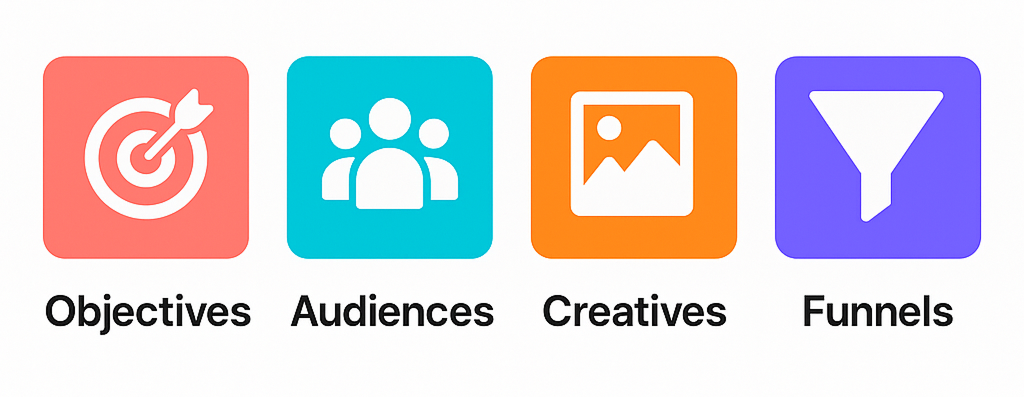
There are four main elements:
-
Objectives: What you're optimizing for, such as traffic, sales, or leads. Learn how to choose the right one in this guide to Meta Ad Campaign Objectives.
-
Audiences: The people you're targeting, including cold, warm, or retargeting segments.
-
Creatives: The format and messaging of your ads.
-
Funnels: The journey your customer takes from awareness to purchase. For help building a full-funnel structure, see Facebook Ads Funnel Strategy.
Each of these components plays a role in how your ads are delivered and how well they perform. When aligned with your product category, your structure becomes a true growth engine.
How Product Category Affects the Buying Journey
Not all products are purchased the same way. Many advertisers still use identical campaign structures for items that require very different customer journeys.
Impulse Buys vs. Considered Purchases
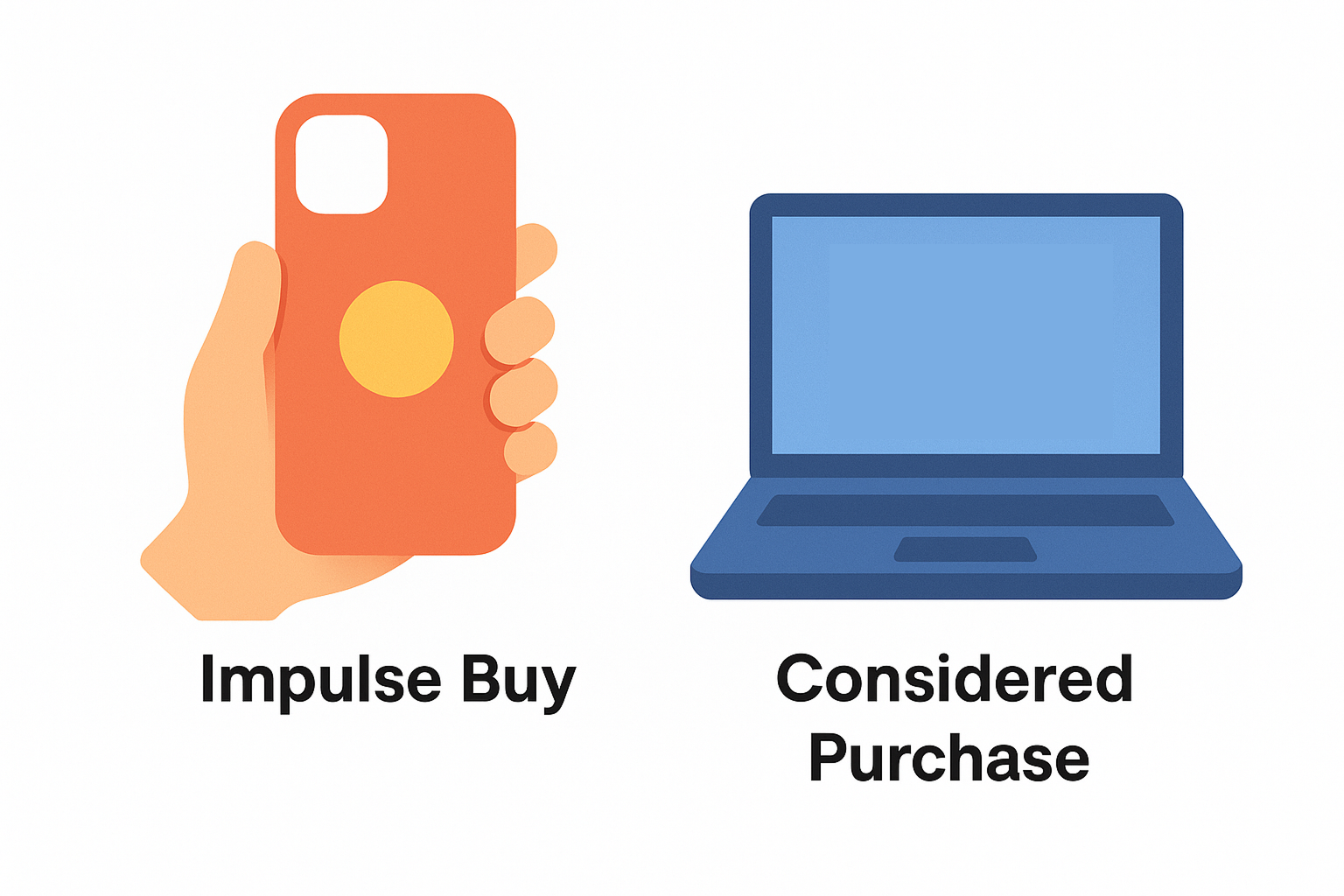
Compare these two examples:
-
A trendy $25 phone case. People may buy it after seeing a single eye-catching ad.
-
A $250 skincare device. Buyers need more time, trust, and information before committing.
The difference isn’t just about price. It’s about the timeline, trust level, and decision-making process. Your campaign needs to reflect that reality.
Three Broad E-Commerce Categories — And How to Structure Around Them
Most products fall into one of three common categories. Knowing which one you're in helps you design a structure that fits your customer’s mindset.
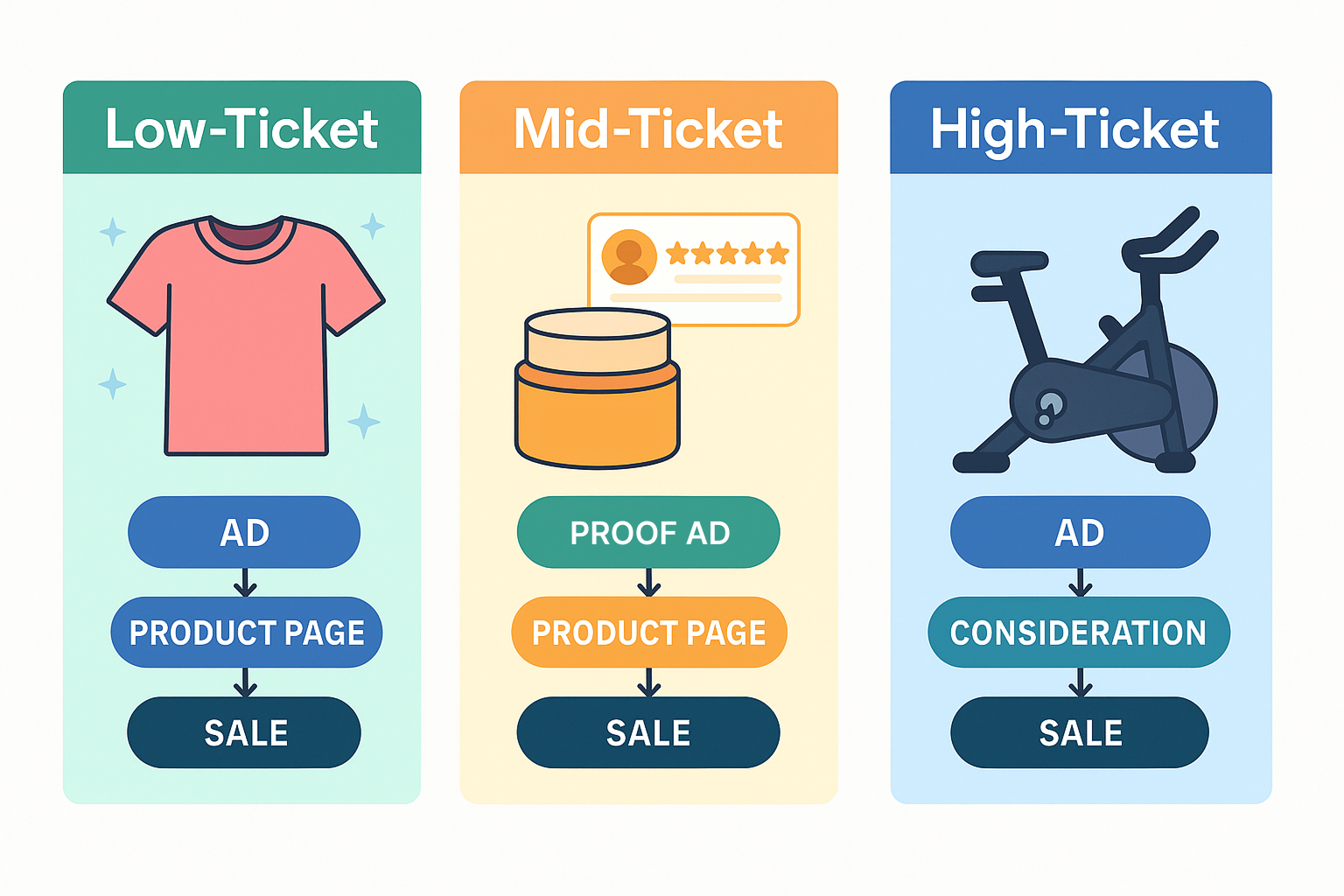
1. Low-Ticket, Fast-Moving Products
These are impulse-friendly items under $50. People don’t overthink the purchase, which means your campaign should reduce friction and encourage fast action.
Examples: Socks, candles, t-shirts, phone accessories.
Best campaign structure:
-
Objective: Sales.
-
Audience: Broad interest-based targeting or lightweight lookalikes.
-
Creative: Punchy visuals with clear CTAs and benefits upfront.
-
Funnels: Simple paths, often linking directly to a homepage or product page.
These campaigns benefit from high-volume creative testing. Scale quickly by rotating successful creatives and keeping the structure simple.
2. Mid-Ticket, Considered Lifestyle Products
These products typically cost between $50 and $300. They’re not high-risk, but people want some information, credibility, or reassurance before buying.
Examples: Skincare kits, fitness clothing, small kitchen tools.
Best campaign structure:
-
Objective: Sales with additional warm audience retargeting.
-
Audience: Layered interest and behavior targeting; retargeting based on engagement. For help fine-tuning targeting, see How to Optimize Audience Targeting for Facebook Ads with Limited Data.
-
Creative: Testimonials, short product explainers, or benefit-led visuals.
-
Funnels: Dedicated landing pages or product quizzes to guide choices.
This category requires multiple angles. Use ad sets that highlight benefits, show proof, and create lifestyle alignment to convert more customers.
3. High-Ticket, Research-Heavy Products
These purchases involve more risk, more research, and more time. You can’t expect instant conversions. The goal is to build trust first.
Examples: Home gym equipment, luxury bags, ergonomic furniture.
Best campaign structure:
-
Objective: Leads or traffic for top-funnel; sales for retargeting.
-
Audience: Funnel-based segments — cold prospects, engaged viewers, and high-intent retargeting pools.
-
Creative: Long-form storytelling, case studies, video demos, and customer reviews.
-
Funnels: Multi-step experiences that include lead capture, content nurturing, and follow-up offers. Learn how to use retargeting effectively in Facebook Ads for E-Commerce: How to Drive Sales Through Retargeting.
Structure is critical here. Start with brand awareness and value-building, then move people toward the sale with layered retargeting.
How to Identify Your True Product Category
Don’t rely on price alone to classify your product. Buying behavior depends on other factors like familiarity, complexity, and emotional involvement.
Ask yourself these questions:
-
Do customers need time to think before buying?
-
Is this a “need” or a “nice-to-have”?
-
Do competitors rely on education, reviews, or comparisons to convert?
The answers will help you decide whether your campaign should be built for speed or for patience.
Example: A $60 serum with clinical claims may need more education than a $100 hoodie from a well-known brand.
How Misaligned Structure Hurts Performance
Even high-quality creative won’t fix a structure that doesn’t match your category. If your strategy doesn’t match the customer journey, performance suffers.
Here are the typical signs of a mismatch:
-
Low click-through rates and poor engagement.
-
High add-to-cart rates but few purchases.
-
Good creative that burns out quickly.
-
Weak return on ad spend across all audiences.
Misalignment forces your campaign to work harder than it should. Realigning structure with real buying behavior can quickly turn things around.
3 Steps to Restructure Your Campaign Based on Product Category
If you're seeing poor results, your structure might need a refresh. Follow this process to rebuild strategically.
1. Map Your Funnel
Sketch out the real journey a first-time buyer takes. Identify what they need to see, feel, or understand at each stage. For more, explore The Role of Mid-Funnel Campaigns in E-Commerce Growth.
2. Build for Each Stage
Structure campaigns for cold, warm, and hot audiences. Use the right objectives for each one — traffic for awareness, conversions for retargeting.
3. Segment Creatives by Stage
Use specific messaging at each funnel stage. Grab attention with scroll-stopping hooks, educate in the middle, and close with urgency or offers.
Each creative should have one clear job, helping people move forward confidently.
Final Thought: Structure Follows Strategy
Your campaign structure should reflect how people actually buy in your category. Not how you hope they buy.
When your structure matches real shopping behavior, everything works better — from engagement to conversions to ROAS.
Before launching your next campaign, ask:
Does this structure match how someone shops for this product?
If the answer is no, now is the perfect time to rebuild it properly.
Need help optimizing each part of your structure? Explore Facebook Ads Funnel Strategy: From Audience Identification to Conversion for more.