If you run Facebook or Instagram ads, short-term results are often the first thing you check. Numbers like ROAS, CTR, and CPC are easy to track — and they show up fast. But these metrics don’t always tell the full story.
Relying only on short-term data can lead to the wrong decisions. You may think your ads are working — when they’re not helping your business grow long-term.
This article explains why short-term metrics can be misleading, what to track instead, and how to build a more balanced approach.
What Are Short-Term Marketing Metrics?
Short-term metrics measure what happens right after someone sees or clicks your ad. Most platforms, including Meta Ads Manager, highlight them.
Common short-term metrics:
-
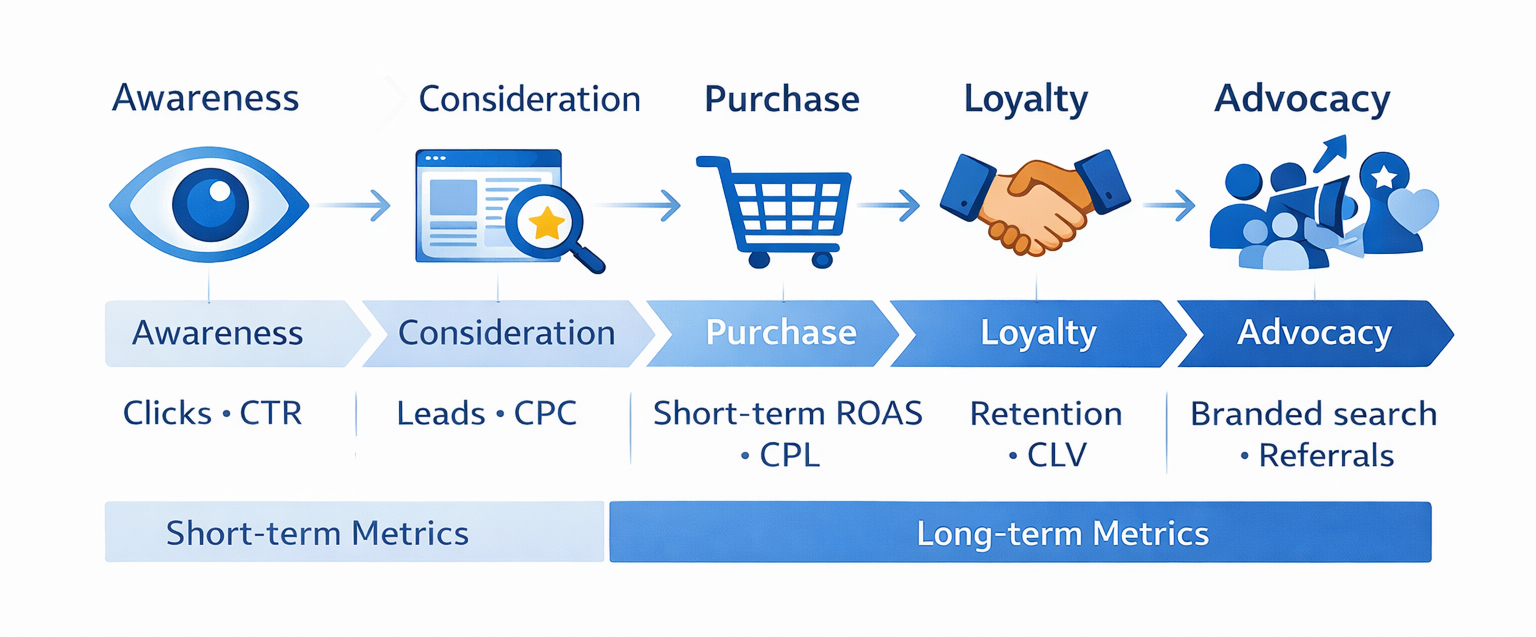
Click-Through Rate (CTR): Shows how many people clicked your ad. It doesn’t say if they actually bought.
-
Cost Per Click (CPC): Can be low if you're targeting a wide audience — even if they aren’t a good fit.
-
Cost Per Lead (CPL): A low CPL isn’t always a win. It could mean low-quality leads.
-
Return on Ad Spend (ROAS): Often only tracks purchases made within a short window. Doesn’t include future sales or referrals.
These numbers help optimize your ad creatives and audience targeting. But they only reflect early activity — not long-term impact.
Why These Metrics Can Be Misleading
Short-term wins can feel exciting but they don’t always lead to real growth.
Here’s why:
1. They Don’t Show Customer Lifetime Value
Most short-term metrics stop at the first action — a click, a lead, or a purchase. They don’t show:
-
How much a customer spends over time;
-
If they come back and buy again;
-
Whether they refer others or stay loyal.
An ad might look expensive today, but bring in high-value customers over the next year. You won’t see that from ROAS alone.
Learn how customer lifetime value (LTV) complements short-term metrics in this article: Why You Should Pair ROAS With Customer Lifetime Value (LTV).
2. They Favor Easy Wins
When you focus too much on short-term numbers, you may:
-
Only retarget people who already know your brand;
-
Rely on heavy discounts to boost sales;
-
Avoid testing new channels or audiences.
This can bring fast results — but slow down long-term growth. You may miss out on new customers and limit your brand’s reach.
3. They Don’t Work for Long Sales Cycles
Some products take time to sell. High-ticket items or B2B services often have longer decision-making processes.
If you measure success in just a few days, you might miss:
-
Users who convert weeks after first seeing your ad
-
Campaigns that build trust but don’t drive clicks right away
-
Content that plays a key role in someone’s decision to buy
What looks like a weak campaign may actually be doing important behind-the-scenes work.
A Better Way: Use Both Short- and Long-Term Metrics
Instead of choosing one or the other, use both types of metrics together. That way, you can see what’s working today — and what’s setting you up for future success.
Mix quick signals with deeper ones
Track:
-
Immediate results: Clicks, leads, and sales tracked by the platform.
-
Longer-term results: Repeat purchases, LTV, brand interest, and offline sales.
This gives a fuller picture of which ads are just grabbing attention — and which ones truly drive growth.
Watch for brand-building signals
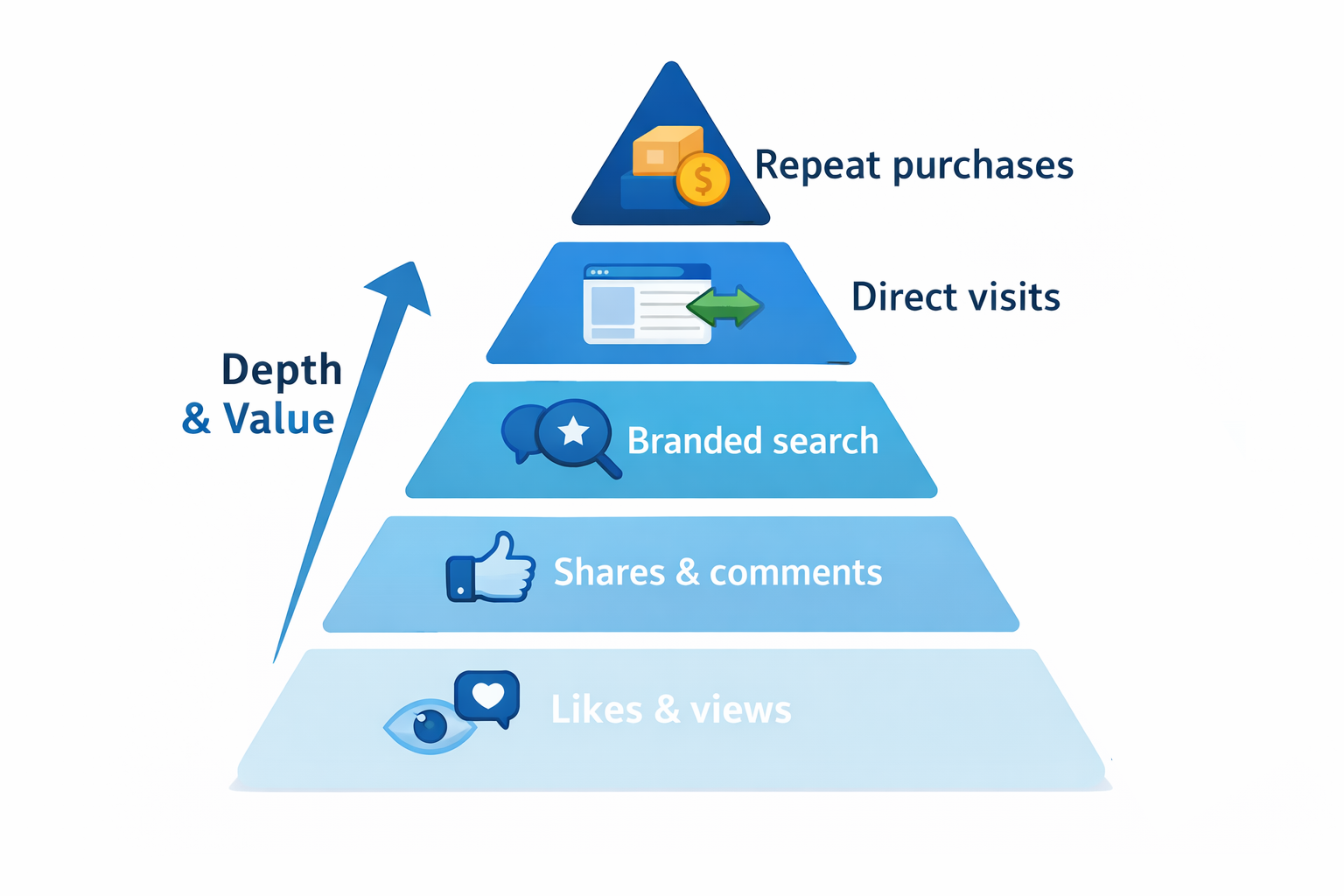
Not every ad needs to convert right away. Some ads are meant to build memory, trust, or interest.
Track signals like:
-
Branded search traffic: Are more people Googling your name?
-
Direct traffic: Are people typing your URL without clicking an ad?
-
Saved posts and shares: Are users keeping or sharing your content for later?
For more examples of how to evaluate brand impact using non-click metrics, check out: What Brand Recall Metrics Really Tell You About Campaign Effectiveness.
How to Balance Performance and Long-Term Growth
Great ad strategies include both fast results and long-term planning. Here’s how to find that balance.
Set different goals for different campaigns
Use a mix of campaign types, like:
-
Sales-focused ads: Drive quick actions and purchases.
-
Video or content ads: Educate and raise awareness.
-
Lead generation campaigns: Start the relationship, then nurture over time.
Each campaign plays a role — from getting attention to closing the deal. For a deeper dive, see: How to Analyze Campaign Performance Beyond CTR and CPC.
Adjust how you measure success
If you only use short attribution windows, you may miss the full value of your campaigns.
Try:
-
Longer attribution windows (like 28-day click or 7-day view);
-
Using CRM data or Google Analytics to track delayed conversions;
-
Looking at assisted conversions — not just the last click.
Don’t stop campaigns too early. Some of the best results take time to show.
What to Track Instead: High-Signal Metrics
Some actions tell you more than others about long-term performance. Focus on high-signal behaviors — things that show deeper interest and quality.
Better metrics to include:
-
Branded search spikes: Show growing interest in your brand
-
Return visitors: Indicate users remembered you and came back
-
Lead-to-sale conversion rate: Measures lead quality, not just volume
-
Customer retention rate: Reflects brand satisfaction and product value
These won’t always show up in Ads Manager — but they’re crucial for understanding how your ads drive real business results.
Final Thought: Don’t Let Short-Term Numbers Distract You
It’s easy to get caught up in fast results. But lasting success comes from campaigns that build trust, drive repeat purchases, and create loyal customers.
Short-term metrics can help guide your ads in the moment — but they don’t show the whole picture. If you’re only chasing low CPL or high ROAS, you might be missing what matters most.
Look beyond the quick wins. Track what builds lasting value. That’s where real marketing growth happens.