Affiliate marketing has exploded in recent years — and not by accident. As brands face rising ad costs, and creators seek monetization beyond generic influencer deals, affiliate marketing has emerged as one of the most profitable, flexible, and scalable strategies in digital marketing.
It’s lean. It’s measurable. And when done right, it’s one of the highest-ROI channels available to both advertisers and affiliates.
Whether you're looking to start affiliate marketing as a beginner or want to design a profitable affiliate program for your product, this guide will show you how it really works — with all the nuance most guides skip.
What Is Affiliate Marketing?
At its core, affiliate marketing is a performance-driven partnership between a brand and an independent marketer.
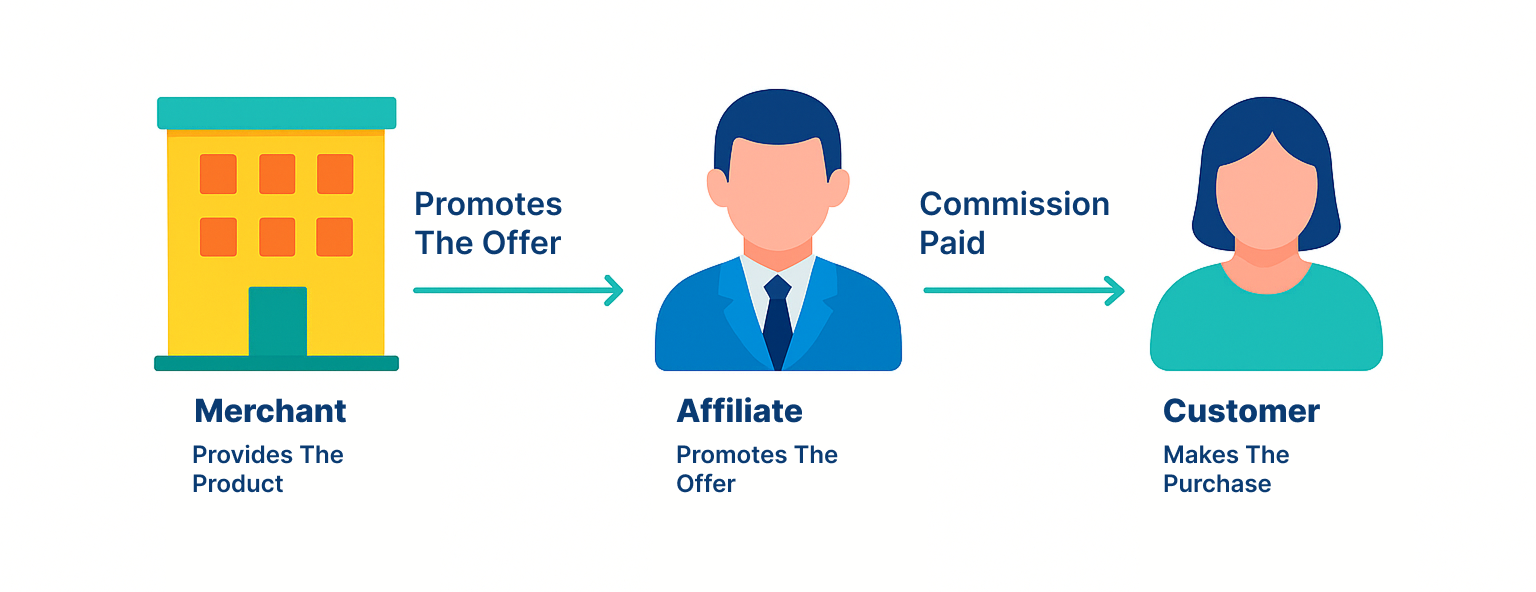
Here’s how it works:
-
A merchant (also called the advertiser) offers a product or service;
-
An affiliate promotes that product through their content, platform, or paid traffic;
-
When a user clicks the affiliate’s unique link and completes a qualifying action (a sale, lead, or sign-up), the affiliate earns a commission.
This model is results-based — meaning merchants only pay for successful conversions. It’s a scalable, low-risk model that rewards real performance.
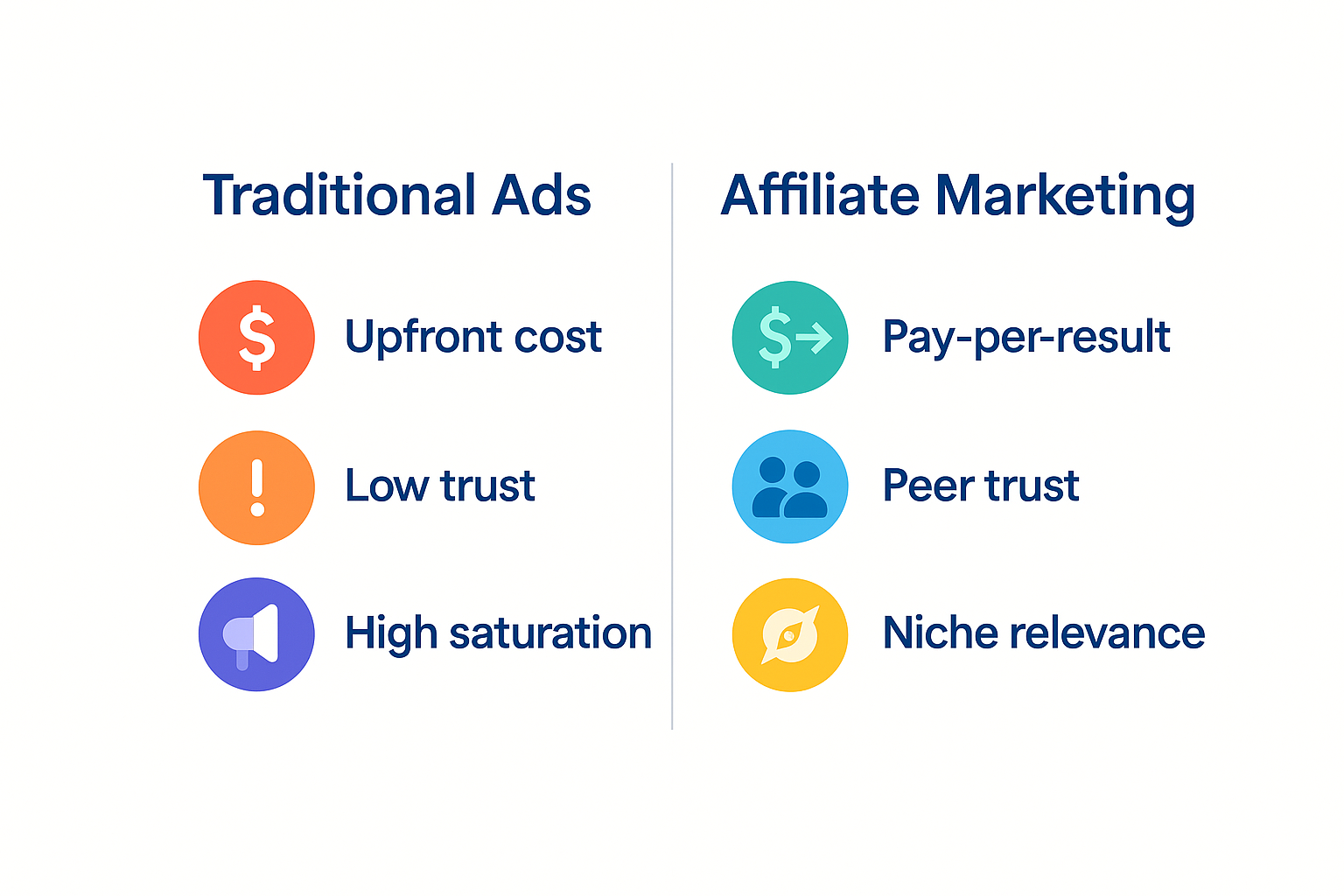
Unlike traditional ad buying, where brands pay upfront regardless of outcome, affiliate marketing shifts risk away from the merchant and puts creative and strategic control in the hands of the affiliate.
Why Is Affiliate Marketing So Effective Right Now?
Let’s break down the why — especially in today’s ecosystem.
-
People trust people more than brands. Recommendations from content creators, niche experts, or reviewers often outperform paid ads;
-
Tracking is more advanced. Tools now offer first-party tracking, server-side conversion data, and AI-enhanced attribution — improving accuracy and reducing loss of data due to privacy updates;
-
Global scale, local feel. Affiliates can personalize offers for different markets, even micro-niches, using tailored language, platforms, and content styles;
-
It aligns incentives. Unlike influencer deals or CPM-based ads, affiliates are only paid when value is delivered.
In a world where traditional advertising faces rising costs, diminishing trust, and tighter regulation, affiliate marketing offers a smarter, more sustainable alternative.
How to Start Affiliate Marketing (Step-by-Step for Beginners)
Whether you’re a content creator, niche expert, or paid media buyer — here’s how to get started strategically.
1. Choose the Right Niche (Think Narrow and Profitable)
Avoid overly broad markets like “health” or “business.” Instead, drill down into high-intent micro-niches. These often convert better and are less competitive. For example:
-
Sleep optimization tools for remote workers;
-
Automation software for solo entrepreneurs;
-
Facebook ad targeting tools for online course creators.
Choosing a niche that intersects with your personal interests and market demand will make it easier to create authentic, helpful content — and maintain consistency over time.
Use keyword tools, subreddit discussions, and Facebook group questions to spot topics people are actively struggling with. Those are opportunities.
2. Join High-Quality Affiliate Programs
Don’t just sign up for the first program with a decent commission rate.
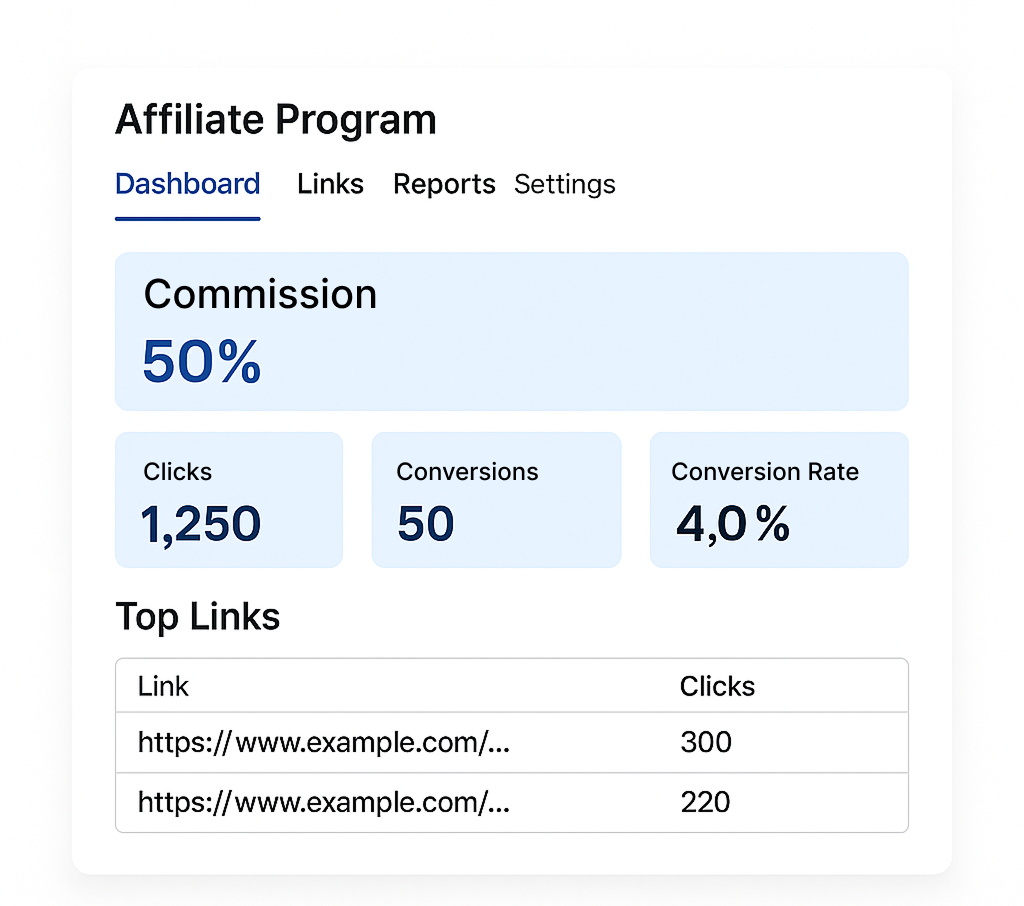
Look for:
-
Competitive payouts, ideally in the 20 to 50 percent range, especially for digital products or SaaS tools;
-
Recurring commission structures, where you earn monthly revenue from subscription products;
-
Reliable tracking systems, including first-party cookies, multi-device attribution, and fraud prevention;
-
Conversion-ready materials, such as landing pages, video demos, and swipe files that make promotion easier;
-
Alignment with your audience, so your promotions feel natural and relevant — not forced.
If your audience includes marketers, coaches, or eCommerce founders, LeadEnforce’s affiliate program is a strong fit. It’s especially effective when paired with Facebook ad strategies that use niche targeting (like targeting followers of specific groups or Instagram pages).
To go deeper into tactics, explore these resources:
-
Facebook Ads for Affiliate Marketing: Rules, Strategy, and Profitability;
-
How to Use Facebook Ads to Sell an Online Course or Digital Product;
-
How EdTech Businesses Can Use Facebook Ads to Drive Course Sign-Ups.
3. Build Content That Solves Specific Problems
Effective affiliate content doesn’t just mention a product — it explains how it solves a real problem.
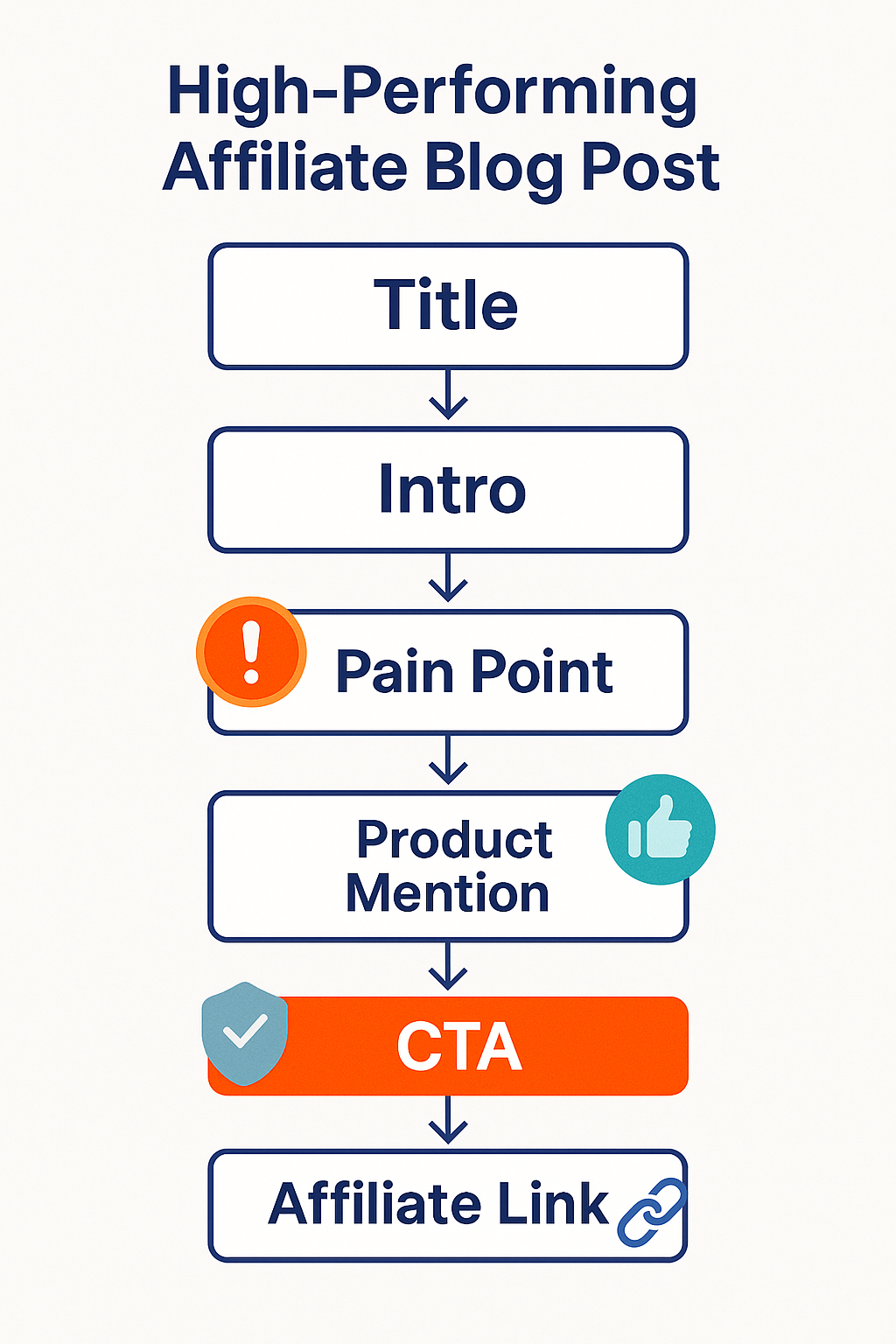
Instead of a vague review, aim for:
-
How-to tutorials, showing real use cases and outcomes;
-
Product comparisons, where you explain trade-offs and recommend based on buyer needs;
-
Case studies, ideally with personal data or user-generated content;
-
Niche listicles, such as “Top 5 AI tools for freelance designers in 2025.”
Use structured formatting (headlines, bullets, internal links), add CTAs throughout the content, and always guide the reader toward a clear next step.
4. Leverage Paid Traffic — But Set It Up Correctly
Paid traffic can dramatically accelerate affiliate growth, but beginners often waste money on the wrong approach.
Instead of linking directly to your affiliate link (which platforms like Facebook or Google often disapprove of), send traffic to a warm-up page — such as:
-
A blog post or article;
-
A lead magnet or quiz page;
-
A video walkthrough that builds trust.
From there, offer value before asking for a click. This improves quality scores, lowers ad costs, and boosts conversions.
For products like digital courses or SaaS tools, Facebook remains one of the best platforms — especially when combined with precise custom audiences. Learn how in this guide.
5. Track Performance and Optimize Continuously
To grow, you need to understand what’s working — and what’s not.
Track metrics like:
-
Click-through rates (CTR);
-
Conversion rates by page, source, and device;
-
Average order value (AOV);
-
Earnings per click (EPC);
-
Time to conversion and drop-off points.
Use tools such as:
-
Google Analytics (with UTM tagging);
-
Affiliate platform dashboards;
-
Heatmaps from tools like Hotjar;
-
Link trackers like Voluum or ClickMagick.
The best affiliates don’t guess — they test and iterate constantly.
For Advertisers: How to Build a High-Performance Affiliate Program
If you’re a SaaS company, course creator, or digital product brand, launching a successful affiliate program can open a new growth channel — but only if done with intention. Here's how to do it right:
1. Streamline Sign-Up and Onboarding
Make it easy for quality affiliates to join. A clunky, manual approval process will lose interest fast. Provide:
-
A frictionless application form;
-
Clear approval timelines;
-
A welcome email with essential links, terms, and getting-started guides;
-
A pre-built “Affiliate Toolkit” with logos, banners, demo access, and top-converting links.
You want your affiliates to hit the ground running. If they’re spending a week trying to figure out how to promote you, you’ve already lost momentum.
2. Offer Transparent, Competitive Commissions
Your payout structure should reflect the true value an affiliate brings. For SaaS and digital products, recurring commissions are extremely attractive and encourage long-term promotion.
Clearly explain:
-
Payout timing (e.g., net 30, net 15);
-
Cookie duration (e.g., 30, 60, or 90 days);
-
Commission tiers or bonuses based on volume;
-
Any exclusions or rules (such as self-referrals or PPC restrictions).
Affiliates are more likely to commit to promoting your product if the incentives are clear, predictable, and fair.
3. Provide Strategic Marketing Support
Don’t just hand affiliates a raw link. Equip them with tools to succeed:
-
Pre-written email sequences and ad copy;
-
Audience personas and suggested positioning;
-
Testimonials, case studies, and social proof;
-
Content angles and offers that have already converted well.
Make your affiliates feel like strategic partners — not just link distributors. The more you invest in their success, the more revenue they’ll drive.
4. Maintain Strong Communication and Reporting
Affiliates need feedback to optimize. Provide regular updates on:
-
New features or product launches;
-
Seasonal promotions and discounts;
-
High-performing content formats or keywords;
-
Real-time performance dashboards or monthly summaries.
Establish a communication cadence — whether through email, Slack, or a partner portal. High-performing affiliates often act as an extension of your marketing team. Treat them accordingly.
Closing Thoughts
Affiliate marketing is a high-leverage channel — but not a shortcut. Whether you’re a marketer promoting offers or a brand building a program, success depends on clarity, strategy, and consistent execution.
Choose your niche with care. Promote products you understand. Track every click. And always prioritize helping over selling.
If you're ready to earn by recommending tools marketers genuinely need, apply to LeadEnforce’s affiliate program. It's tailored for people who understand how real targeting and performance marketing work — and want to get paid for sharing that edge.