You don’t need a website to start earning from affiliate marketing. While websites remain powerful long-term assets, many top-performing affiliates now leverage platforms and tools that already have attention, traffic, and built‑in audiences. The key is choosing channels that match your strengths and allow you to promote offers ethically, consistently, and with measurable results.
Below are the highest‑performing methods, real‑world statistics, and actionable tips for getting started fast.
1. Social Media Profiles as Your Primary Funnel
Social platforms are currently the most effective website‑free affiliate channel. Short‑form content in particular delivers strong engagement.
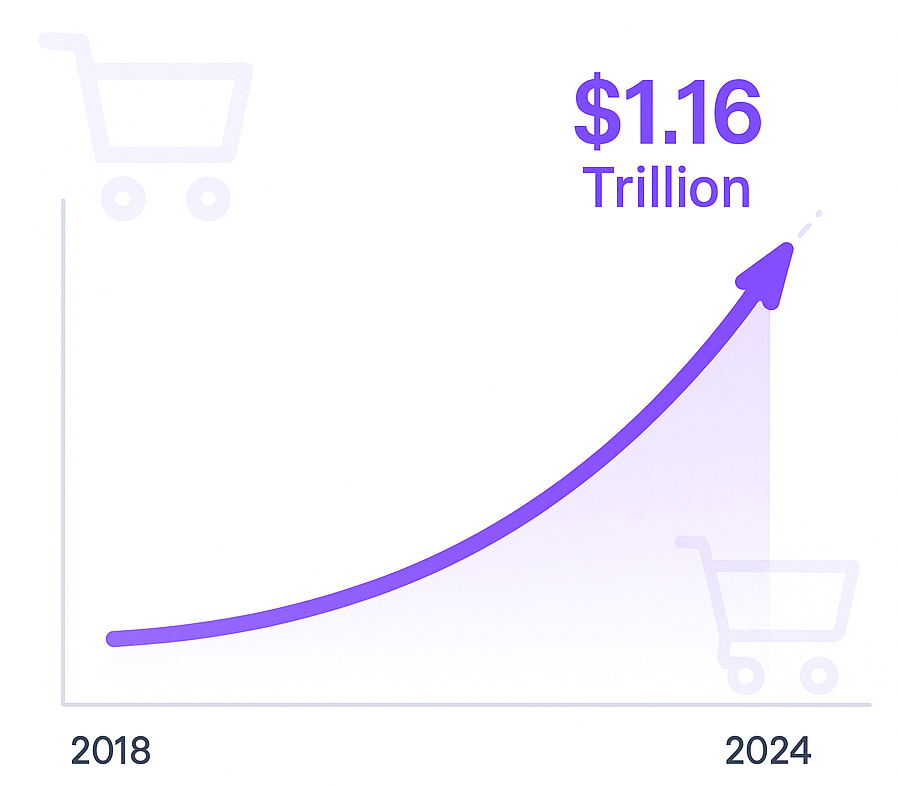
Statistics show that short‑form video has an average view‑through rate above 50 percent, and social commerce is expected to exceed $1.2 trillion globally. With audiences already warmed up by creators they trust, properly positioned affiliate recommendations convert well.
How to make it work:
-
Use one platform as your main conversion engine.
-
Add your affiliate link to your profile bio.
-
Build content around one niche to increase authority.
2. Community-Based Promotion (Groups, Forums, Chats)
Affiliate marketers who participate in niche communities often see higher trust and faster adoption of recommended tools.
Research indicates that community-driven purchases can drive conversion rates up to 3–5 times higher than cold outbound tactics. People are more likely to act when they see a recommendation from someone active and helpful in the same space.
How to make it work:
-
Contribute valuable insights—don’t drop random links.
-
Post tutorials, breakdowns, and use cases.
-
Keep promotions contextual and transparent.
3. Email Lists Without a Website
You don’t need a website to build an email list. Many affiliates grow audiences directly using landing pages from email platforms.
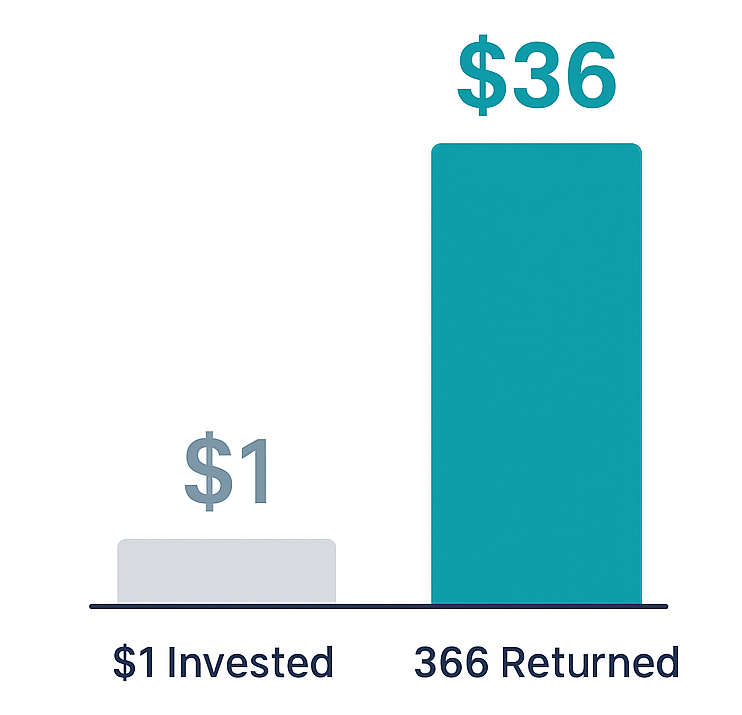
Email remains one of the highest‑ROI channels, with an estimated $36 return for every $1 spent.
How to make it work:
-
Use a simple lead magnet or checklist delivered via email.
-
Send value‑driven emails, not constant promotions.
-
Highlight practical benefits, not features.
4. Direct Messaging Outreach (Ethical and High‑Intent)
Direct outreach works when done strategically—not as spam, but as a personalized value exchange.
Data shows that personalized messages can lead to engagement rates up to 4 times higher than generic messaging.
How to make it work:
-
Target users who already show interest in your niche.
-
Offer insights or help before sharing an affiliate link.
-
Keep messages short, clear, and purpose‑driven.
5. Content Syndication Platforms
Platforms that let you publish quick posts, stories, or micro‑articles provide visibility without requiring a website.
These channels work because they already have organic distribution algorithms, meaning your content can be discovered without SEO.
How to make it work:
-
Repurpose content from other channels.
-
Keep posts concise and educational.
-
Highlight real outcomes or practical steps.
6. Paid Ads Without a Website
Some affiliate programs allow direct link promotions via ads. When used carefully, paid ads can scale quickly.
Industry benchmarks show an average affiliate ad spend ROI ranging between 150 and 250 percent when targeted correctly.
How to make it work:
-
Validate performance with a small test budget.
-
Use clear, benefits‑oriented messaging.
-
Track performance with unique links.
Best Practices for Sustainable Website-Free Affiliate Growth
-
Choose a single niche to stay focused.
-
Stay consistent on one or two promotion channels.
-
Provide educational value before asking for action.
-
Use tracking links to measure what's working.
-
Avoid aggressive or misleading promotional tactics.
Conclusion
Affiliate marketing without a website is not only possible—it can be highly profitable when executed with strategy and consistency. By leveraging existing platforms and placing value at the center of your promotions, you can build a scalable income stream without managing a full website.