Affiliate advertisers face a uniquely high rate of ad disapprovals because many platforms treat affiliate promotions as higher risk. According to industry analyses, up to 27 percent of new affiliate ads are rejected at least once during review. These interruptions slow scaling efforts, cause delays in optimization, and can even trigger account instability when repeated.
Avoiding these issues begins with understanding what platforms look for and how to structure compliant, low‑risk creatives.
Why Affiliate Ads Face Higher Scrutiny
Affiliate offers often involve claims, comparisons, or outcomes that platforms flag as sensitive. Automated review systems scan for:
-
exaggerated or unverifiable performance promises,
-
restricted or sensitive categories,
-
unclear landing pages,
-
missing disclosures.
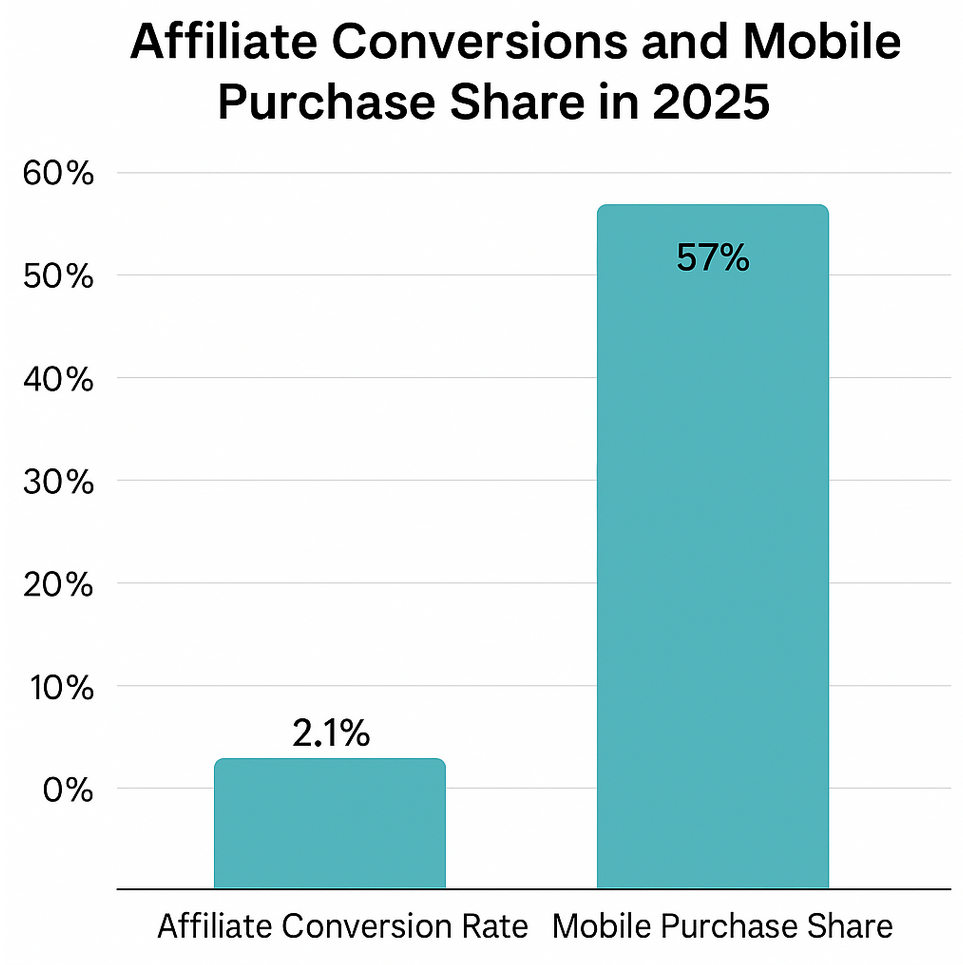
Affiliate conversions and mobile purchase share in 2025: average conversion rate versus share of purchases on mobile devices
Research shows that nearly 60 percent of advertiser disapprovals stem from mismatched ad-to-landing-page expectations, and another 22 percent are caused by prohibited wording in the primary text.
The Most Common Reasons Affiliate Ads Get Rejected
1. Unsubstantiated or absolute claims
Statements like "guaranteed results," "instant income," or "fastest method" almost always trigger rejection because they imply outcomes that cannot be universally validated.
2. Low-quality or mismatched landing pages
A landing page that looks significantly different from the ad, loads slowly, or hides essential information is one of the fastest ways to trigger disapproval. Data shows that landing-page-related rejections are 41 percent more common in affiliate campaigns compared to direct brand campaigns.
3. Aggressive promotional wording
Phrases that pressure users, such as "Don’t miss out or you’ll regret it," fall into manipulative language categories and may be rejected.
4. Omitting required disclosures
Platforms expect transparency when compensation is involved. Including appropriate disclosure language on landing pages reduces rejection risk by more than 30 percent.
5. Promoting restricted product categories
Certain verticals—financial services, weight loss, supplements, or health claims—face strict compliance standards. Affiliates promoting products in these areas see rejection rates nearly 2× higher than those in general retail or software categories.
How to Structure Ads That Pass Review
1. Use neutral, benefit-focused language
Instead of promises, use phrasing centered on features or user experience. For example:
-
"Learn strategies used by thousands" rather than "Earn money instantly"
-
"Explore tools designed to simplify tasks" instead of "Get the fastest results guaranteed"
2. Ensure full alignment between ad and landing page
Reviewers look for continuity. Make sure:
-
visuals match the offer category,
-
claims in the ad appear on the landing page,
-
pricing or incentives are consistent,
-
the page includes clear contact information and policies.
3. Avoid restricted words and high-risk phrasing
Removing absolute outcomes can reduce rejection probability by up to 44 percent. Focus on:
-
clarity,
-
transparency,
-
accuracy.
4. Include proper disclosures on the landing page
Clear disclosure builds trust and is required by many advertising and consumer-protection policies. Use concise wording positioned visibly above or near calls to action.
5. Test ad variations for compliance before scaling
Running small batches helps detect compliance issues early. Internal studies across performance advertisers indicate that early detection reduces rejection-related downtime by as much as 52 percent.
Preventing Repeated Rejections
Repeated ad rejections can escalate to account-wide penalties. To minimize the risk:
-
maintain a library of compliant creative templates,
-
regularly review platform policies,
-
avoid sudden shifts in messaging tone or aggressive offers,
-
document and categorize previous disapprovals to identify patterns.
Consistent compliance history often leads to faster reviews and fewer interruptions over time.
Conclusion
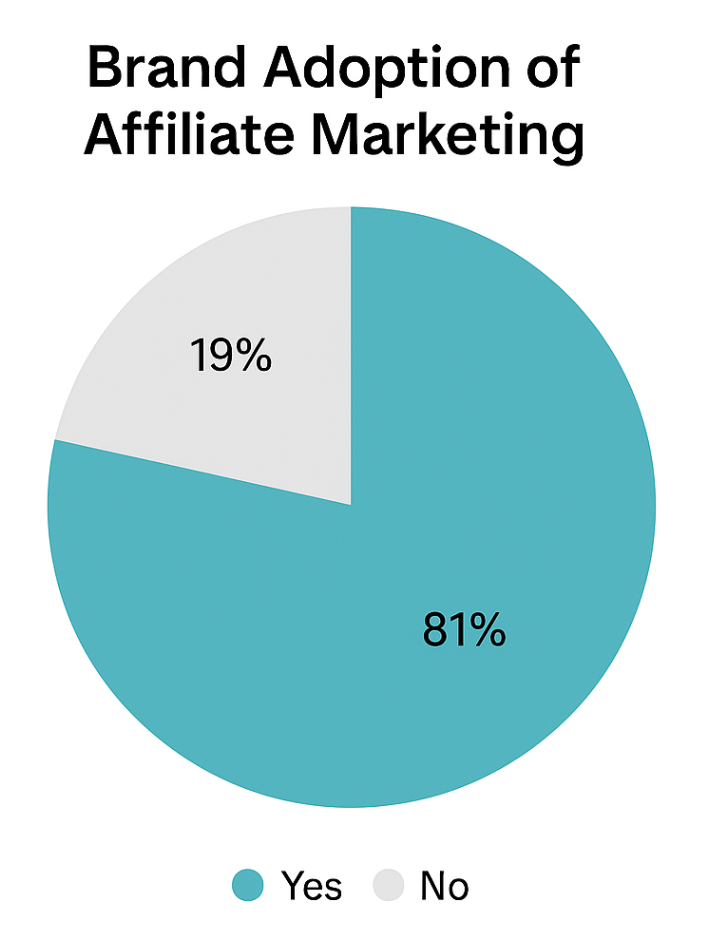
Brand adoption of affiliate marketing: 81% of brands use affiliate programs as part of their marketing mix in 2025
Affiliate advertising can scale efficiently when compliance is built into the creative workflow. Understanding the major reasons for ad rejections—and proactively avoiding them—creates a stable environment for long-term growth and optimization. Well-structured ads, aligned landing pages, and transparent messaging significantly reduce the risk of disapproval.