The final weeks of the year bring a unique mix of opportunity and competition. Costs can surge, audiences behave differently, and advertisers who plan too late often lose efficiency. A strong year-end Facebook ads strategy requires early preparation, accurate forecasting, and structured execution.
Below is a complete framework to help you build high-performing end-of-year campaigns.
1. Start Planning at Least 4–6 Weeks Before Peak Dates
Ad costs rise aggressively as demand increases. According to industry data, CPMs often jump by 20–40% in Q4, with the sharpest increases in late November and December.
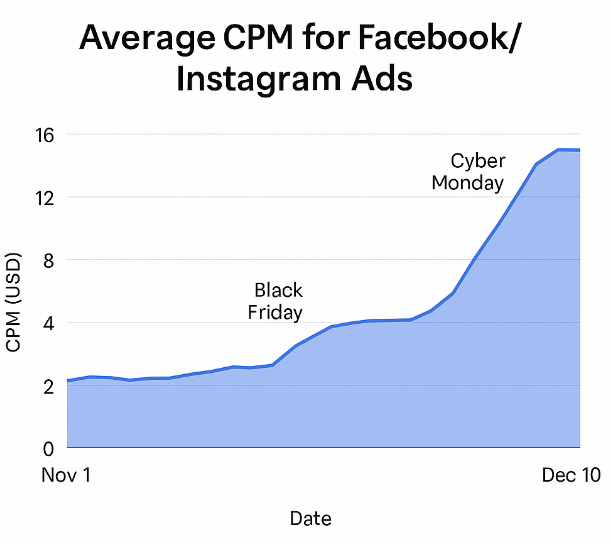
Average CPM for Facebook/Instagram ads rose from ~$7 to ~$15 between early November and early December
Starting early helps you:
-
Stabilize learning phases before auction pressure spikes
-
Secure lower early-season costs
-
Build larger retargeting pools before decision-making windows shorten
2. Lock in Your Goals and Budget Allocation
Your final campaigns should not try to achieve everything. Define one primary goal per campaign (sales, leads, traffic, or remarketing). Then assign budgets based on intent:
-
60–70% to high-intent retargeting campaigns
-
20–30% to mid‑funnel audiences
-
10–20% to cold audiences for scaling or testing
This split reflects typical year-end behavior: users convert faster when already familiar with your brand.
3. Refresh Your Creatives Based on Seasonal Behavior
Creative fatigue increases faster during the final months due to intensified competition. Research shows that ad frequency above 5 in Q4 typically causes a drop of 10–15% in CTR.
Refresh your visuals and messaging by:
-
Emphasizing urgency and timelines
-
Highlighting bundled offers, limited drops, or seasonal relevance
-
Testing both short-form and vertical video formats
4. Prioritize Retargeting and First-Party Data
Retargeting consistently delivers the highest ROAS at the end of the year. On average, remarketing audiences convert at 2–3× higher rates than cold traffic.
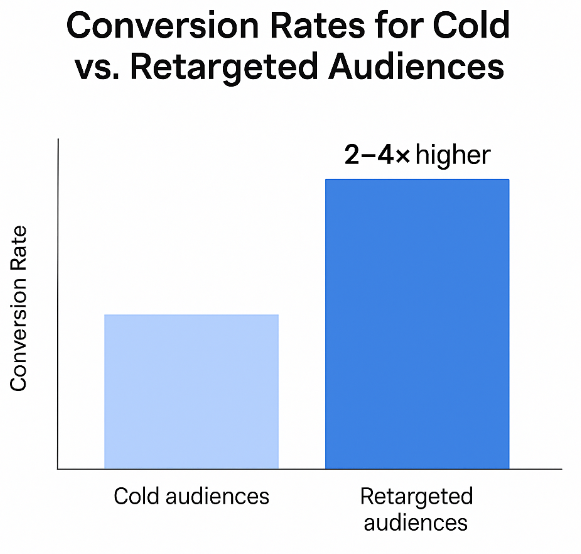
Retargeted audiences convert at 2–4 times the rate of cold audiences
Use your strongest warm segments:
-
Past website visitors
-
Engaged social audiences
-
Email lists
-
Cart abandoners
These groups respond best when paired with strong deadlines and promotional cues.
5. Extend Conversions With Longer Attribution Windows
End-of-year buyers often take more time to purchase due to comparison shopping and holiday overwhelm. Increasing attribution windows helps you see more accurate performance data and avoid under-valuing campaigns.
Typical year-end adjustments include:
-
Extending 1‑day click to 7‑day click
-
Using blended click + view windows
6. Run Inventory-Aware Ads
If you're a product-based business, highlight items that:
-
Are in stock and ready to ship
-
Have high margins
-
You can fulfill quickly
Stockouts are common in Q4, and ads promoting unavailable products waste budget. Review inventory weekly.
7. Test Offers Before the Final Push
The strongest year-end performers test variations such as:
-
Percentage discounts
-
Free gift with purchase
-
Free shipping
-
Tiered discounts
Small shifts can produce big differences. For example, campaigns switching from flat discounts to tiered offers often see 15–25% higher AOV.
8. Implement Automated Rules Before Costs Spike
Auction volatility increases sharply in December. Automated rules help protect your budgets, maintain ROAS thresholds, and scale winning ad sets.
Useful rules include:
-
Pause ads if CPA exceeds a set value
-
Increase budget for high‑ROAS ad sets
-
Reduce budgets during high‑cost hours
9. Keep Campaigns Running Through the Final Days
While many advertisers pull back late in the year, costs often decrease right after major holiday peaks. Some brands see CPMs drop by 15–20% in the final week of December.
This creates an opportunity for:
-
Post‑holiday shopping
-
Early‑January pipeline building
-
Clearing remaining inventory
10. Review Performance and Document Results
A strong final step is to close the year with a full performance review:
-
Identify your best audiences and creatives
-
Analyze ROAS by date range and event type
-
Note offer types that performed best
These insights will shape stronger Q1 planning.