Creating effective social ad assets takes real work. You spend hours testing hooks, designing visuals, optimizing messaging, and adapting formats for Meta placements. But once the campaign ends? Many brands let those well-performing creatives gather digital dust.
What if those assets could drive conversions in email, retargeting sequences, affiliate toolkits, product pages, or even organic content?
They can — and they should.
Let’s walk through how to reuse social ad assets strategically and extract more value from every piece of creative you produce.
1. Turn Winning Ads Into High-Impact Landing Page Sections
If an ad generated clicks efficiently, it has already proven that the message resonates. That makes it the perfect foundation for a landing page.
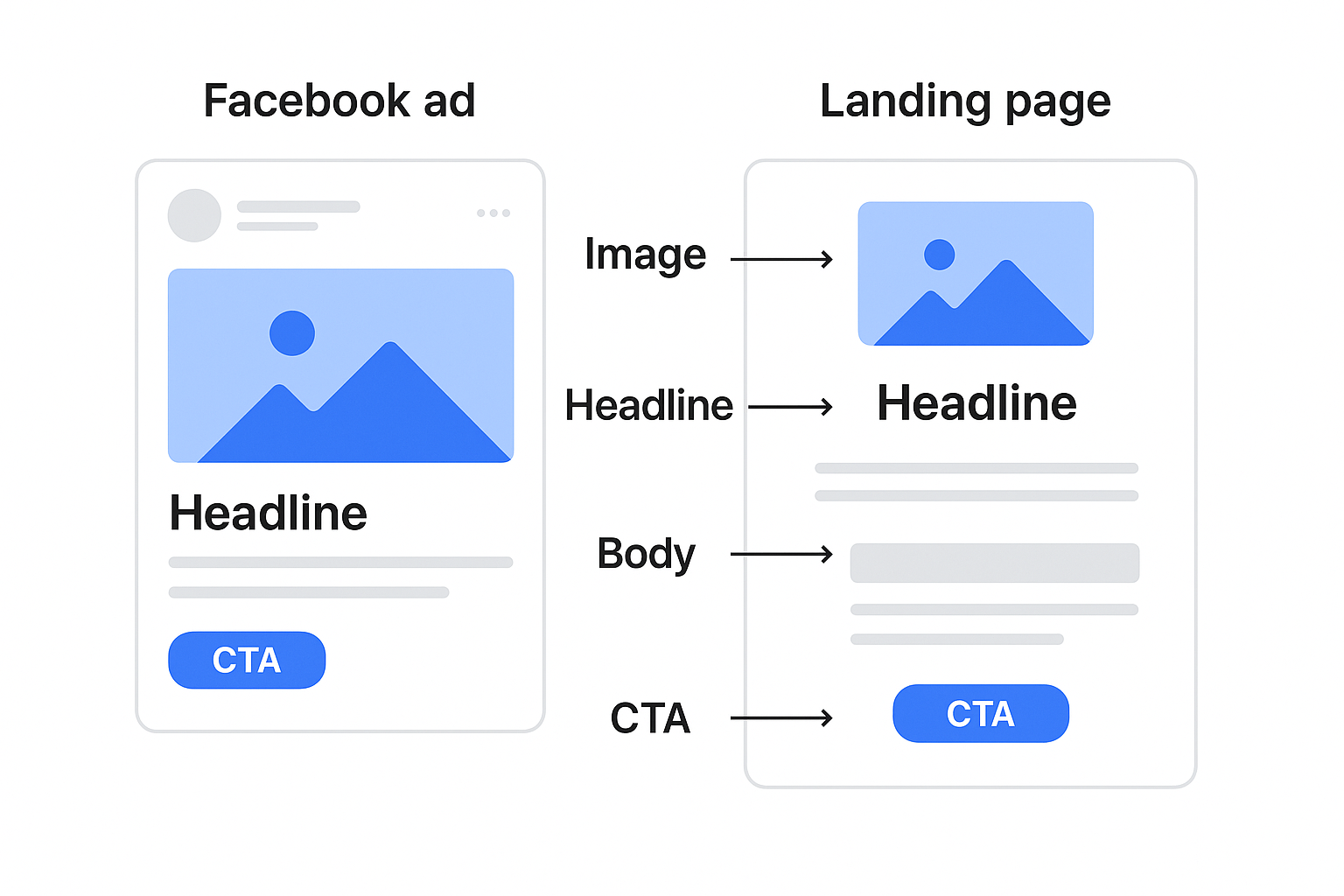
Here’s how to break an ad into usable landing page components:
-
Headline → use your primary text hook as the page’s headline.
-
Body text → repurpose the main ad paragraph for your benefits or features section.
-
Visuals → embed the ad image or short video near the fold to ensure continuity.
-
CTA → adapt your ad CTA so the transition feels seamless.
-
Social proof → transfer comments, testimonials, or screenshots as trust signals.
This technique is especially useful if your ad set struggled with delivery issues or audience clarity.
Advanced tip: use landing page A/B testing tools to create variants inspired by your top-performing creative. This drastically speeds up CRO because you're starting with messaging that already converts.
2. Repurpose Video Ads Inside Email Campaigns
Social-first videos — especially UGC formats, demos, before/after clips, or testimonial videos — transfer extremely well into email.
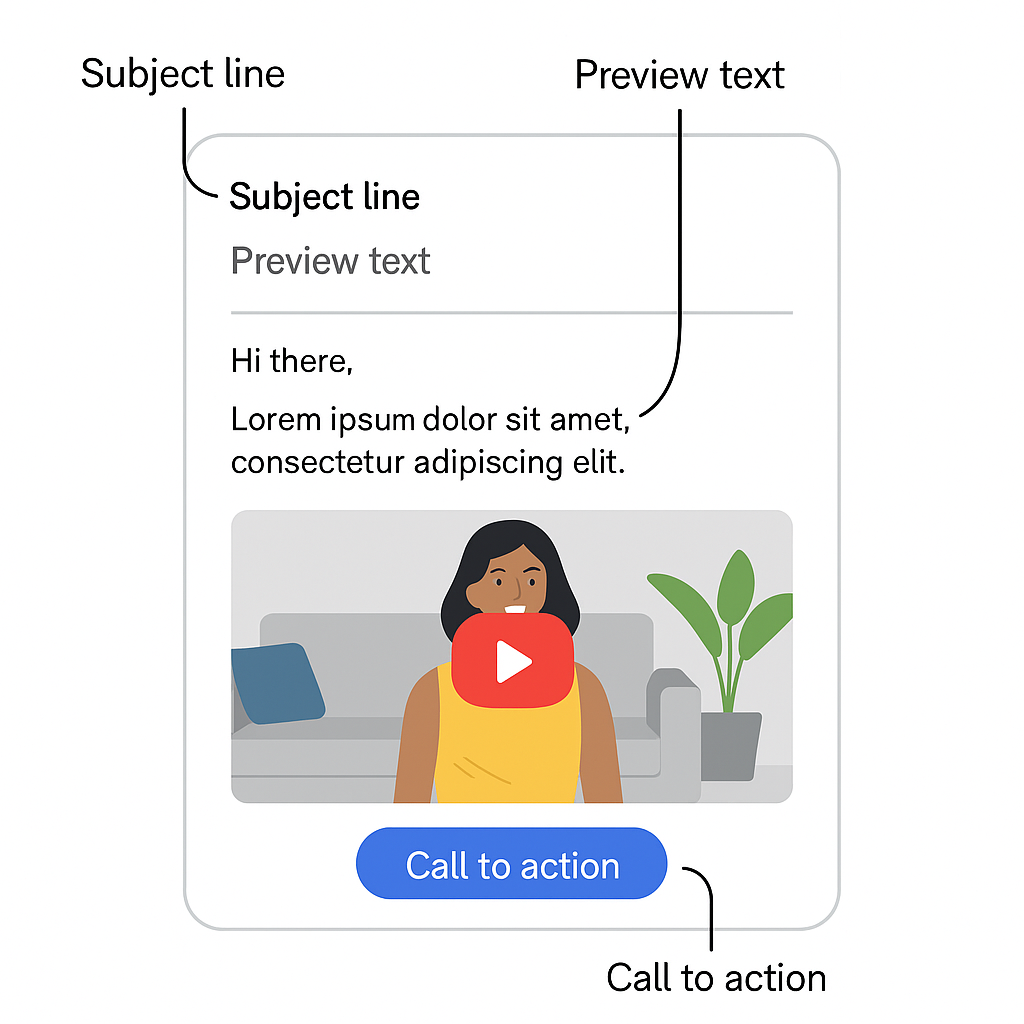
Try embedding your existing video ad into email by:
-
Using a thumbnail with a play icon, linked to your landing page or YouTube.
-
Reusing your best-performing hook as the email subject line.
-
Highlighting 2–3 benefits shown in the video with short supporting text.
-
Using the same CTA for message consistency.
To strengthen your email→social ecosystem, use strategies from How to Boost Email Marketing With Facebook Ads — it explains how to sync audiences and messaging so your reused creatives work harder across channels.
Why this works: email recipients aren’t “scrolling.” They’re intentionally opening an inbox. When you drop a proven video creative into that environment, click‑throughs often increase because the message is already validated.
3. Turn Ad Hooks Into Blog Intros, Banners, and Content Blocks
Great social ads have one thing in common: they get to the point fast. That makes them perfect for content marketing.
Ways to reuse your ad copy in blog content:
-
Start your blog with the same hook you used in your ad. Short, punchy intros increase reader retention.
-
Turn ad bullets into sub‑headers, especially for feature‑ or benefits‑driven content.
-
Embed static ads or UGC screenshots as supporting visuals.
-
Use comments from your ads as quotes or social‑proof blocks.
This approach becomes even more powerful when you understand who you’re writing for. If you need help defining or refining your target reader, revisit the fundamentals in Facebook Ad Targeting 101 — it aligns well with planning cross‑channel messaging.
Pro tip: if an ad generated unusually high engagement, elevate its angle to a full editorial theme. Engagement is often a strong signal of narrative resonance.
4. Add High-Performing Creatives to Affiliate and Influencer Toolkits
Most affiliate programs provide bland banners or logo packs. But affiliates perform better when you give them proven, scroll‑tested creatives.
Include the following in your partner toolkit:
-
Top-performing static creatives from your Meta campaigns.
-
Resized Story/Reels versions of your ads.
-
Suggested captions based on high CTR ad copy.
-
Short product demo videos originally used in paid campaigns.
-
Messaging insights (what audiences responded to, objections addressed, etc.).
If your affiliates also run paid ads or boosted posts, unify your creative strategy across platforms. For tactical guidance, study How to Combine Facebook and Instagram Ads for Maximum Impact — the principles apply perfectly to partner‑driven amplification.
And if you want to reach Facebook group members, Instagram page followers, or niche communities with these creative assets, tools like LeadEnforce make this level of targeting possible even when Meta’s native tools don’t.
5. Use Carousel Assets to Strengthen Product Pages and Sales Funnels
Carousel ads are highly structured: problem → solution → features → social proof → CTA. That storyboard translates beautifully to product detail pages.
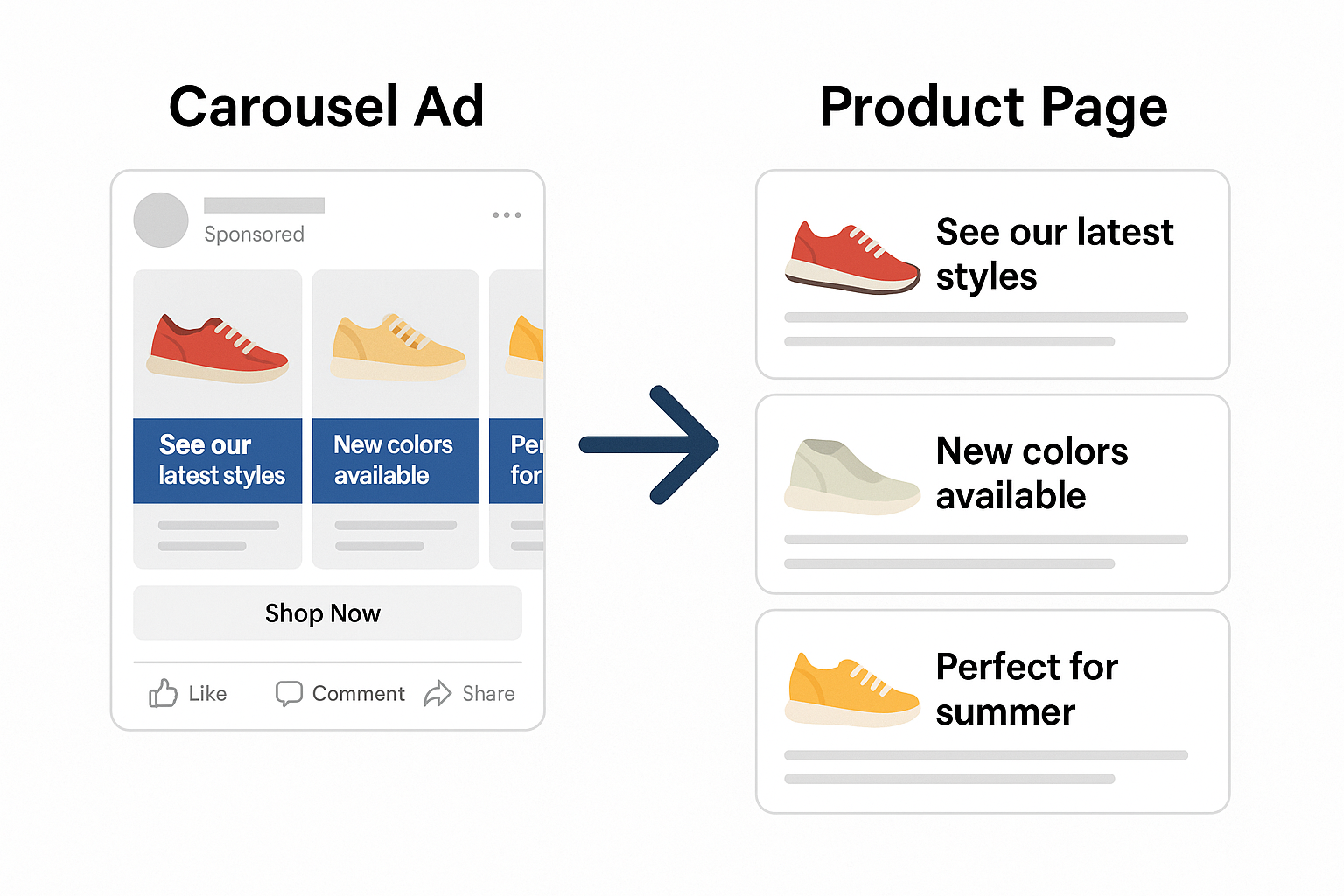
Ways to reuse a carousel:
-
Turn each frame into a separate product image, reinforcing benefits visually.
-
Combine frames into a “How It Works” scroll section.
-
Place social proof frames directly under feature explanations.
-
Use the final CTA frame as a visual nudge near the “Add to Cart” button.
This type of reuse also pairs well with deeper creative-planning strategies found in The Ultimate Guide to Facebook Ad Formats — especially when deciding which visuals adapt best to on‑site placements.
6. Remix Organic Engagement and Turn It Into Retargeting Creative
Sometimes your ads go semi‑viral organically: people stitch them, parody them, or add commentary. Instead of ignoring these moments, use them.
Creative remix ideas:
-
Screenshot funny or insightful user comments and turn them into retargeting ads.
-
Add reactions or stitches as overlays in a refreshed video version.
-
Use the top comment from an ad as a headline in a follow‑up campaign.
-
Transform user‑created variations of your ad into a “mixed formats” compilation.
If you’re unsure whether to use these remixed assets for retargeting or cold expansion, reference Retargeting vs Broad Targeting: Which Strategy Drives Better Results? — it gives a clear framework for deciding where each creative type performs best.
7. Repurpose Creatives Across Platforms and Placements (Reels, Stories, Feed, Display, and Email)
A single winning ad concept can be stretched far across platforms — as long as you respect the format.
To adapt one concept efficiently:
-
Use your hook for Reels captions.
-
Turn the static image into a Pinterest pin.
-
Resize your Story version for YouTube Shorts.
-
Adapt video cutdowns for TikTok and email thumbnails.
-
Use the headline in Google Display or LinkedIn Sponsored Content.
If you want a step‑by‑step framework for converting one asset into multiple placements, study How to Adapt One Ad Concept for Reels, Stories, Feed, and Explore — it’s one of the best resources for efficient creative reuse across Meta surfaces.
Bonus: Build a Creative Library That Your Whole Team Can Use
If you want repurposing to scale, treat creatives like assets — not leftovers.
Build a library categorized by:
-
Creative format (video, carousel, static, UGC).
-
Funnel stage (awareness, engagement, conversion).
-
Audience performance (high CTR, strong CVR, high watch‑time).
-
Message theme (problem-focused, testimonial, demo, urgency).
-
Platform success (Meta, IG, email, affiliates, on-site).
To refresh assets quickly without starting from zero, use inspiration or variations generated with modern AI tools. Here’s a curated list of options in The Best AI Text and Image Generators — extremely useful when you need fresh creative variations that still align with your proven core concept.
Final Thought: Strategic Reuse Is a Competitive Advantage
Brands that win today aren’t just great at producing new ads.
They’re great at extracting every ounce of value from the ads they already have.
Your best creatives shouldn’t live only on Meta. They should fuel emails, landing pages, blog content, affiliates, partnerships, retargeting ads, organic posts, and multi‑platform funnels.