
Marketing channels play a crucial role in the success of any campaign, and the rapid expansion of digital platforms has led to a diverse range of marketing opportunities. However, the challenge lies in testing new channels without disrupting your current strategy. Here’s how you can test new marketing avenues while keeping your existing efforts intact.
1. Start Small with Pilot Campaigns
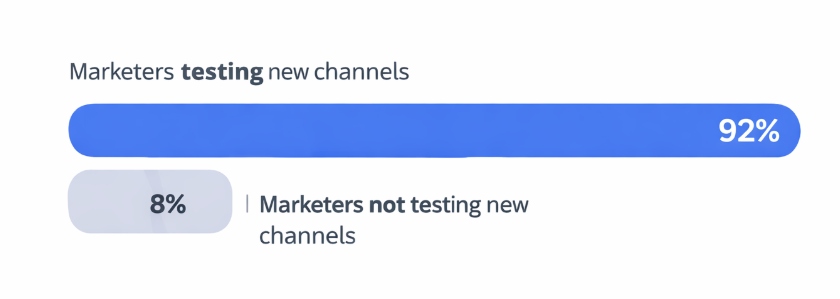
Percentage of marketers actively testing new acquisition channels in 2025 illustrates the industry shift toward experimentation
When exploring new marketing channels, starting small allows you to experiment without risking your entire budget. By launching a small-scale pilot campaign, you can test the waters and gather initial insights into the effectiveness of the channel. For instance, if you are considering social media ads, begin with a limited budget, targeting a specific audience segment. This will give you an opportunity to assess the channel's performance before fully committing to a larger investment.
2. Set Clear KPIs and Metrics for Success
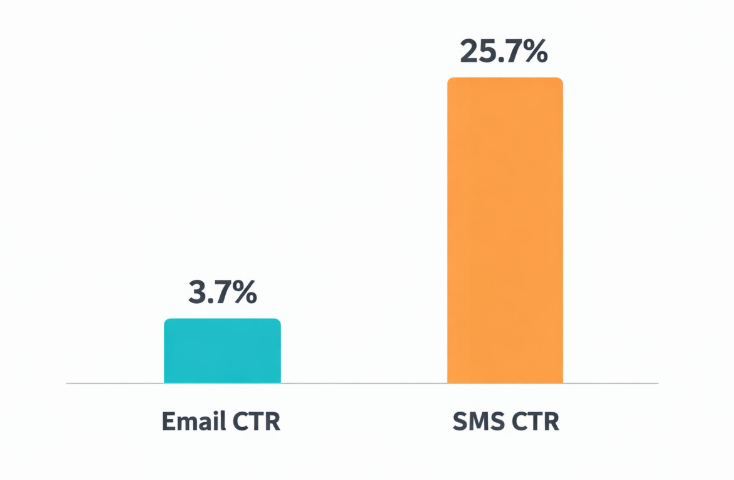
Comparison of average click‑through rates between email and SMS showing channel engagement variance
Testing without clear metrics can lead to confusion and misinterpretation of results. Before diving into new channels, define specific Key Performance Indicators (KPIs) that align with your marketing goals. Whether it’s click-through rates (CTR), conversion rates, or customer engagement levels, having measurable outcomes will allow you to assess the success of your test campaigns objectively. Make sure these KPIs are aligned with your overall strategy to ensure a holistic view of performance.
3. Leverage A/B Testing
A/B testing remains one of the most effective ways to measure the impact of new marketing channels without disrupting existing strategies. By testing different versions of your ads, landing pages, or content on the new channel, you can directly compare which performs better. You can also A/B test creative variations to see which resonates more with your target audience. This method allows you to tweak and refine your approach to maximize ROI.
4. Monitor Customer Feedback and Sentiment
When introducing a new marketing channel, customer feedback is invaluable. Use tools like surveys, social media listening, and direct customer engagement to gather insights. Feedback can help you adjust your strategy quickly and prevent potential issues from escalating. Moreover, tracking customer sentiment ensures that your brand maintains a positive reputation during the testing phase.
5. Use Automation to Streamline Testing
Marketing automation tools can help you scale and manage your tests without overwhelming your team. With automation, you can schedule campaigns, track performance, and make adjustments in real time. For instance, using automated email marketing platforms allows you to test subject lines, content, and CTAs on different segments, all while reducing the manual work involved.
6. Test New Channels Without Overlapping Audiences
When testing new marketing channels, ensure that you're targeting fresh audiences to avoid overlap with your existing channels. This will give you a clearer picture of how the new channel is performing and prevent your current marketing activities from being disrupted. If you're testing a new paid media platform, for example, use audience segmentation to target specific demographics and interests that don't intersect with those in your other campaigns.
7. Continuously Optimize Your Approach
One of the keys to successful testing is continual optimization. As data comes in, don't wait until the test period ends to analyze results. Make iterative changes to your campaigns based on the insights you gather, and use these optimizations to refine your strategy moving forward. This ongoing process allows you to make adjustments without compromising the effectiveness of your core strategy.
Useful Statistics to Guide Your Marketing Test
-
56% of Marketers Say Paid Search Ads Are Their Most Effective Channel
This statistic emphasizes the importance of paid search as a reliable marketing channel. When testing new platforms, it’s important to keep track of the success rate of your current channels to compare the results effectively. -
61% of Consumers Are Influenced by Social Media Recommendations
This statistic underscores the power of social media in shaping consumer behavior. When testing social media channels, consider how social proof and recommendations from influencers can impact your results.