Running Instagram ads for mental health services isn’t like running ads for a product. You’re not just selling something — you’re helping people take a step toward support.
That means your ads need to be clear, respectful, and built around trust. This guide shows how to run Instagram campaigns that work — without crossing the line into pushy or uncomfortable territory.
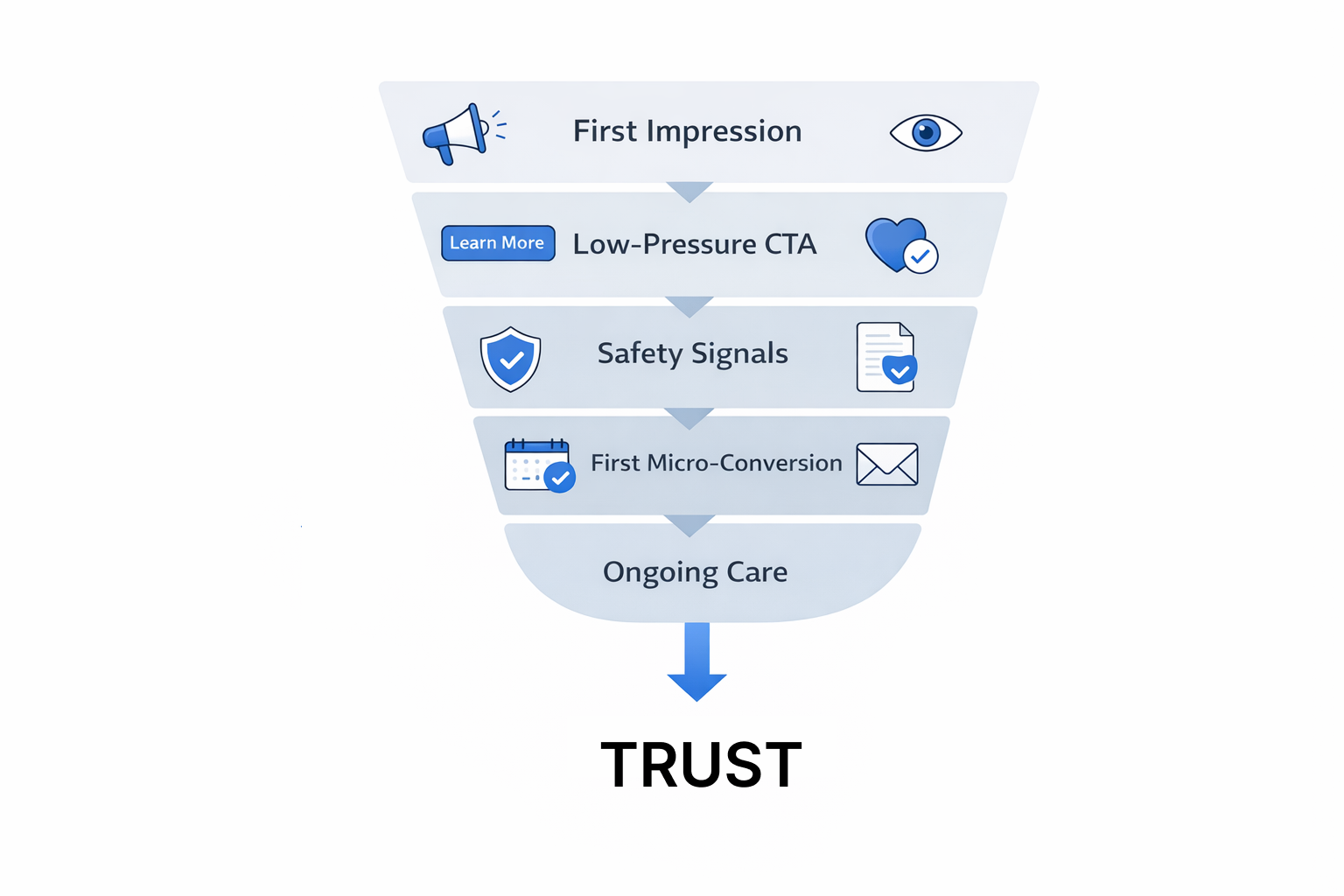
Whether you're a mental health provider, a marketing agency, or a small business owner, you’ll find tips here to improve your ads and get better results — ethically.
Why Instagram can work for mental health
Instagram is emotional, visual, and personal. That makes it a great fit for therapy and wellness services — when used the right way.
People often open Instagram when they’re feeling stressed, tired, or stuck. If your ad shows up at the right time, it can be the first step in someone deciding to get help. But it has to feel safe — not like a hard sell.
Instagram is also:
-
Easy to engage with — people can follow, save, or message you without pressure;
-
Good for storytelling — short videos and calm images help build trust;
-
Designed for discovery — users don’t have to search for you to find you.
But all of this only works if you use the platform with care. If you're unsure whether to focus on Instagram or Facebook for your service business, this breakdown might help: Instagram Ads vs Facebook Ads: Which Is Better for Your Business?
Stay compliant and avoid ad disapproval
Mental health is a sensitive topic. Meta (which owns Instagram) has strict ad rules — and mental health ads get flagged a lot.
The biggest thing to avoid is making people feel like you’re judging or diagnosing them.
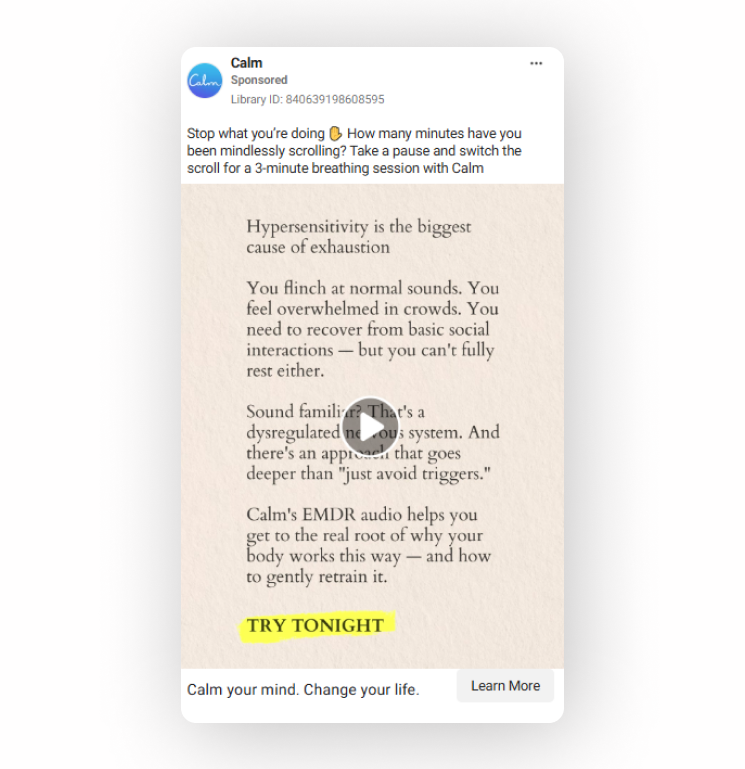
Calm’s Instagram ad uses body-focused language and reflective questions without making direct diagnoses — a smart example of Meta-compliant, emotionally aware copy.
Don’t say things like:
-
“Do you feel broken?”;
-
“You might have depression.”;
-
“Fix your anxiety now.”.
These kinds of lines often get rejected — and worse, they can make people feel worse.
Instead, keep the tone gentle and respectful. Use phrases like:
-
“Support for burnout and stress”;
-
“Tools to manage anxiety”;
-
“Explore therapy options”.
Also, avoid bold promises. Stay away from "guaranteed results" or "permanent solutions." Meta outlines what’s acceptable in ads for health-related services. For more on staying compliant, see How to Navigate Meta’s Ad Policies for Health and Medical Services.
How to target the right audience
Good ads aren’t just about what you say — they’re about who sees them.
If you show your ad to the wrong people, you’ll waste money and create discomfort for users who aren’t ready or interested.
Start small and specific. Useful strategies include:
-
Targeting site visitors who viewed mental health-related pages;
-
Layering interests like “therapy,” “burnout,” or “mindfulness” with adult life stages;
-
Filtering by geography (based on your licensure and service area).
Also, avoid under-18 audiences unless you offer licensed youth counseling. And be careful with broad interest targeting. Here's a useful guide to making it work without wasting budget: Facebook Ad Targeting for Niche Professionals: Lawyers, Dentists & More.
What good mental health ads look like
Your creative — meaning your image, video, and text — is where everything starts.
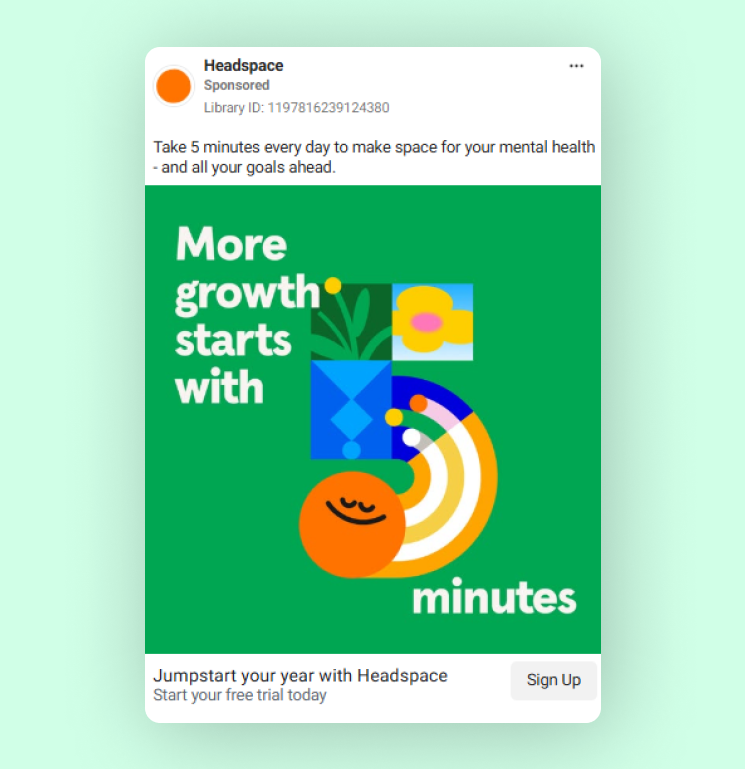
Mental health ads work best when they feel safe and supportive. Avoid intense visuals, aggressive fonts, or dramatic messaging. Instead, focus on comfort, clarity, and warmth.
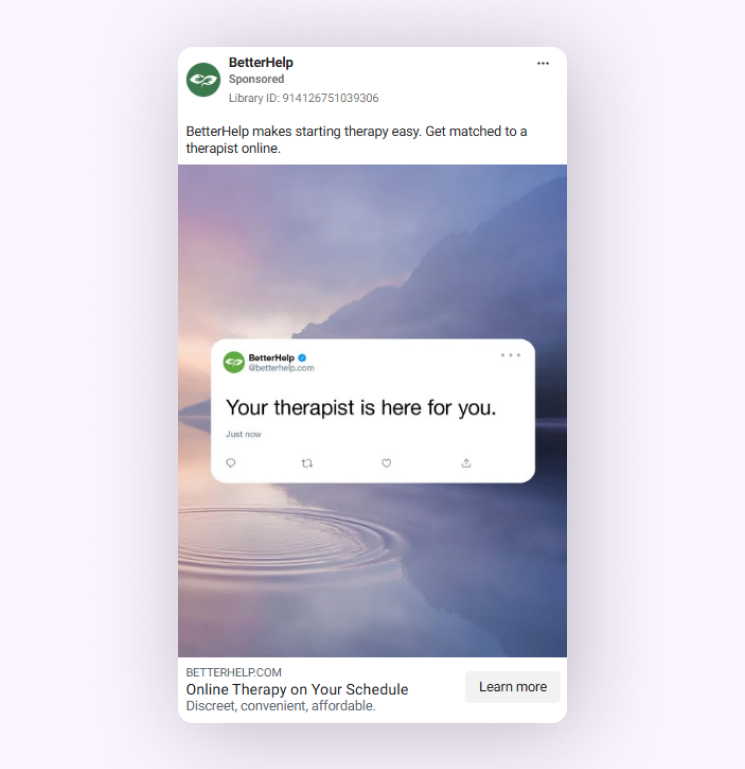
BetterHelp’s ad communicates emotional safety using minimalist visuals and a message of availability — not urgency.
For example:
-
Use soft lighting, muted colors, or calm environments;
-
Add text like “Feeling stuck?” or “You deserve to feel better.”;
-
Choose CTAs like “Explore support options” instead of “Book now.”
Want to go deeper into how visuals impact ad results? Read The Most Common Design Mistakes in Instagram Ads (And How to Avoid Them).
What happens after the click matters more
Even the best ad won’t help if your landing page doesn’t build trust.
Once someone clicks, they should land on a page that is:
-
Easy to read;
-
Mobile-optimized;
-
Clear about what therapy or service you offer.
Use simple headlines, short paragraphs, and visuals that reinforce calm. Avoid overwhelming users with too much detail or complex forms.
Give people options — not just “Book a session,” but also “Subscribe,” “Download a guide,” or “Read how therapy works.”
If you're not sure where to start, here's a practical guide on how to create a high-converting landing page.
Don’t scale too fast
Just because your ad is getting clicks doesn’t mean it’s ready to scale.
Ask yourself:
-
Are people bouncing off your page quickly?
-
Are they starting but not finishing the intake process?
-
Are follow-up conversions happening later?
If you don’t have those answers yet, don’t raise the budget. Fix the weak spots first. Scale comes after confidence.
Remember: people take time to decide
Mental health is a high-trust decision. Clients may return days or weeks later. You need longer attribution windows and smarter tracking to see the real impact of your ad.
Use Meta’s 7-day click / 1-day view attribution. Track smaller actions like:
-
Visiting your therapist bio page;
-
Clicking on your FAQ;
-
Starting the intake form.
Need help understanding how tracking works for slower sales cycles? This article covers it: Understanding the Conversion Window in Facebook Ads.
Final thoughts
Instagram can be a powerful way to reach people who need support — when done thoughtfully.
Focus on:
-
Clear, calm creative;
-
Specific, respectful targeting;
-
Trust-building pages and messages;
-
Careful scaling and long-path attribution.
Done right, your ads won’t just get clicks. They’ll help someone take a real step toward care.