Clicking on a social media ad isn’t random.
People don’t just stumble into your sales funnel — there’s always a reason.
Whether it’s driven by urgency, curiosity, or a specific pain point, every click represents a decision. And understanding the motivations behind those decisions can give advertisers a serious advantage.
Let’s break down the six most common reasons users click on social media ads and how you can use each one to improve performance.
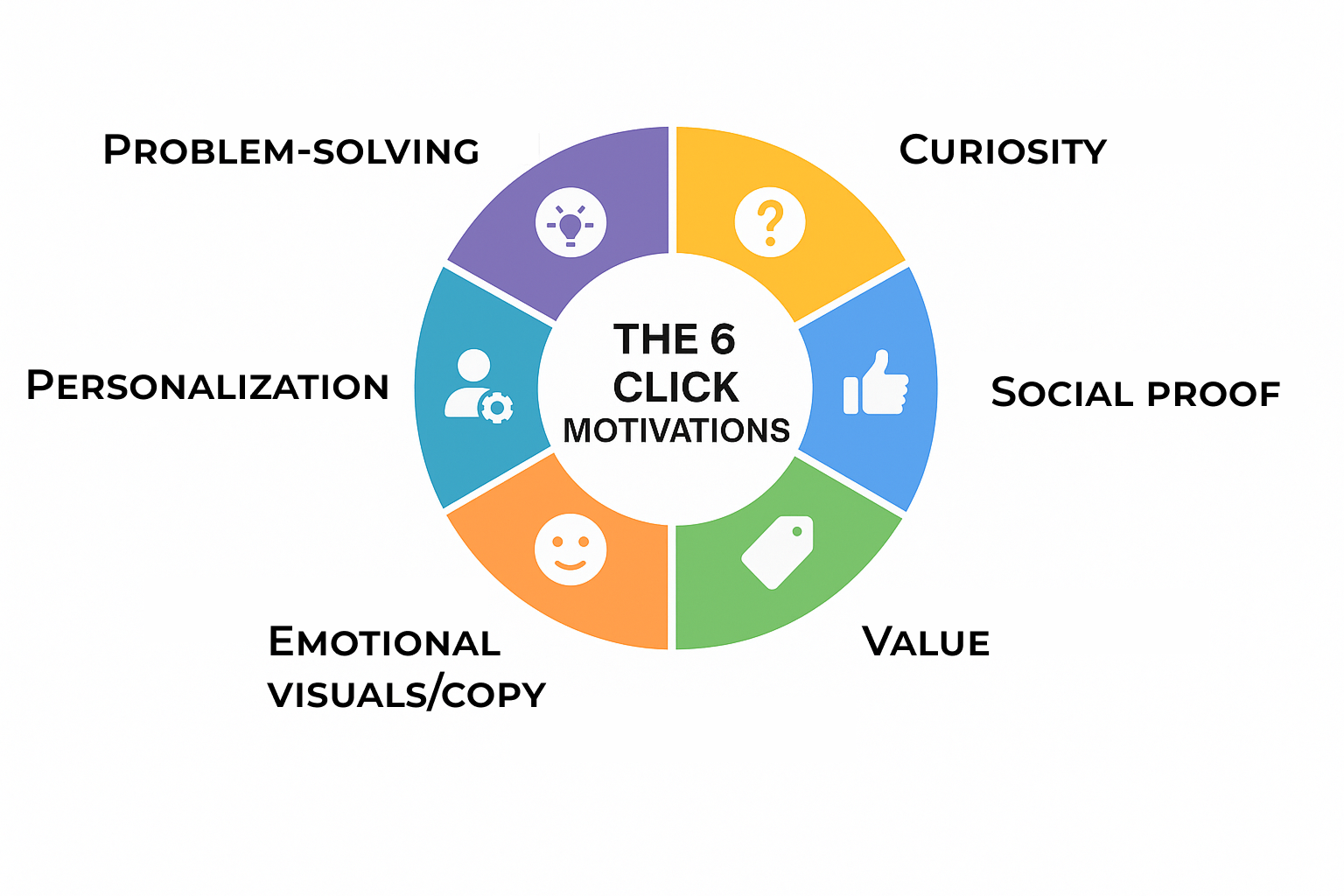
1. A Clear Solution to an Immediate Problem
One of the strongest motivations is urgency.
When someone sees an ad that addresses a real, current problem in their life or work, they’re far more likely to act. The issue might be practical (“I can’t get organized”), emotional (“I’m overwhelmed”), or strategic (“I need to scale my team”).
To capture this intent, your ad must show that you understand the problem — and can solve it.
Tips:
-
Use language that mirrors how your audience talks about the issue.
-
Lead with outcomes, not just features.
-
Avoid generic phrases like “all-in-one” — get specific.
If you're unsure who you’re really speaking to, this guide on defining a target audience offers a strong starting point.
2. Curiosity Created by an Open Loop
Curiosity is a powerful force in ad engagement.
A surprising statement, a bold headline, or an unusual visual can spark just enough interest to earn a click. This works especially well when the ad introduces an idea but doesn’t fully explain it — creating what psychologists call an “information gap.”
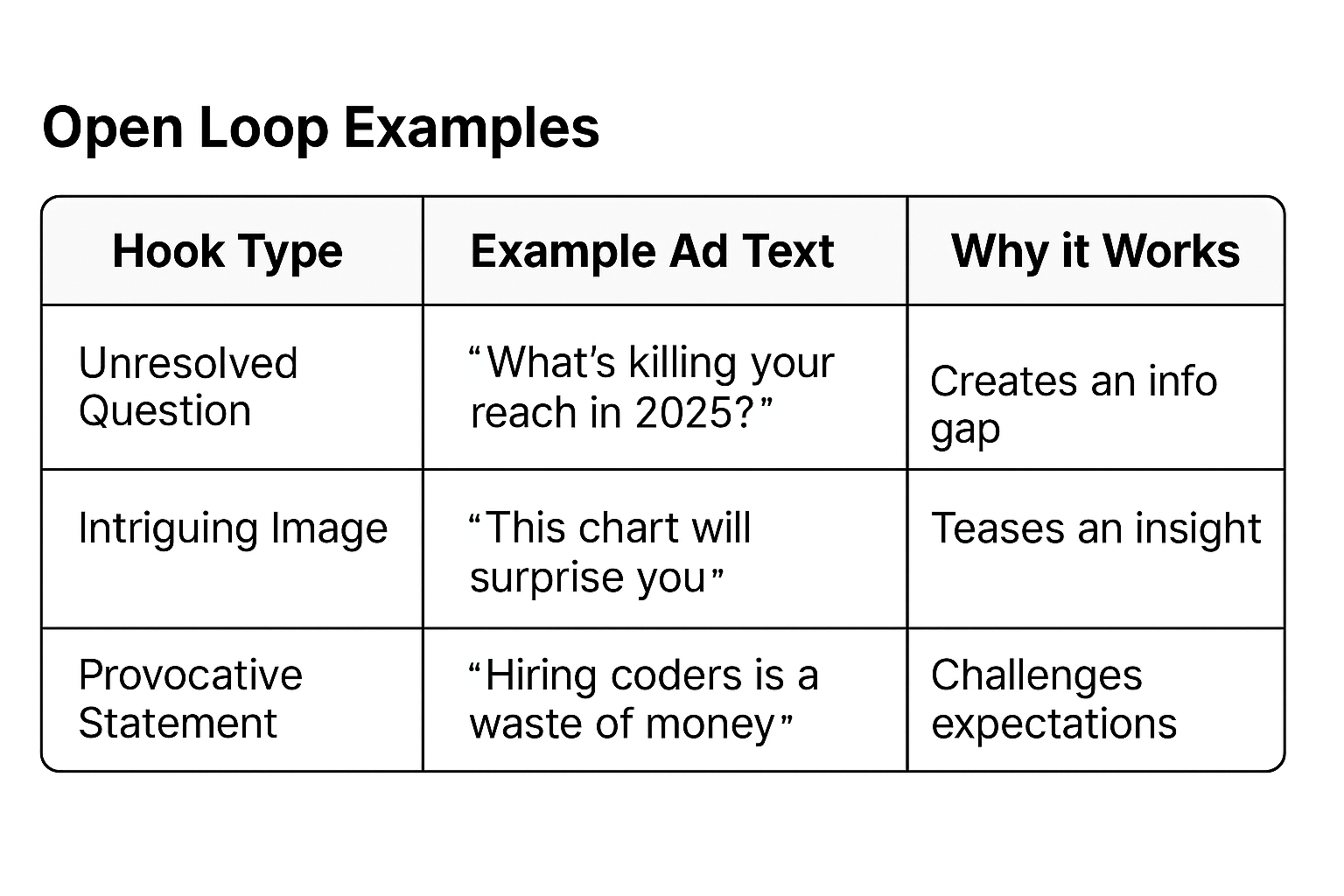
Effective tactics include:
-
Headlines that ask a compelling question.
-
Creative formats that interrupt scrolling patterns.
-
Teasers that promise insight but require a click to resolve.
Not sure which creative tools can help you stand out? Explore these top-rated AI text and image generators to help craft visuals and copy that break the pattern.
3. Social Proof and Perceived Popularity
People trust what others are already engaging with.
An ad with visible likes, shares, or strong comments immediately feels more credible. Add in elements like testimonials, review scores, or mentions of well-known clients, and the ad becomes more persuasive.
Fear of missing out also plays a role here. Time-sensitive language like “limited availability” or “last chance” can increase urgency when used sparingly and honestly.
To build trust:
-
Highlight real customer feedback, not just marketing claims.
-
Use visuals that reflect actual use or outcomes.
-
Let your existing users do some of the selling for you.
To structure campaigns that support this type of motivation, it helps to understand how Meta campaign objectives influence delivery and engagement.
4. An Offer That Feels Valuable and Timely
Some clicks happen because the value is immediately obvious.
That could mean a discount, but it doesn’t have to. It might be early access, a valuable piece of content, or a time-saving solution. The key is to make the benefit feel tangible and relevant — right now.
To improve results:
-
Make your offer headline-worthy.
-
Avoid vague CTAs like “Learn More” when a specific benefit can be named.
-
Keep promotions fresh to avoid banner fatigue.
If you’re getting zero reach on what seems like a great offer, this explanation of the “ad set may get zero” issue can help troubleshoot before you blame the creative.
5. Visuals That Trigger Emotional Response
Strong visuals often outperform strong copy.
People process images quickly — and emotionally. A striking image or video can instantly communicate mood, value, or transformation without requiring a single word.
This is why creatives should be treated as strategic assets, not filler.
Best practices for visual impact:
-
Show people experiencing the outcome you’re selling.
-
Use contrast and movement to stand out in the feed.
-
Align the tone of your imagery with your audience’s context.
Need help choosing the best format for your visuals? This guide to Facebook ad formats outlines what works best for feed, story, and video placements.
6. The Message Feels Personal or Tailored
Relevance is one of the most underrated factors behind ad engagement.
When an ad reflects the user’s specific role, interest, or mindset, it feels less like an interruption and more like a recommendation. This is why tight targeting and nuanced messaging go hand in hand.
To create this effect:
-
Segment your audience carefully.
-
Write ads as if you're speaking to one person, not a market segment.
-
Acknowledge their context — industry, experience level, priorities.
If performance is dropping, it might be time to revisit your audience setup. This foundational guide to Facebook ad targeting is a useful checkpoint to refine your strategy.
Final Thoughts: Aligning with Motivation Drives Performance
The best-performing social media ads don’t just look good — they align with why people click in the first place.
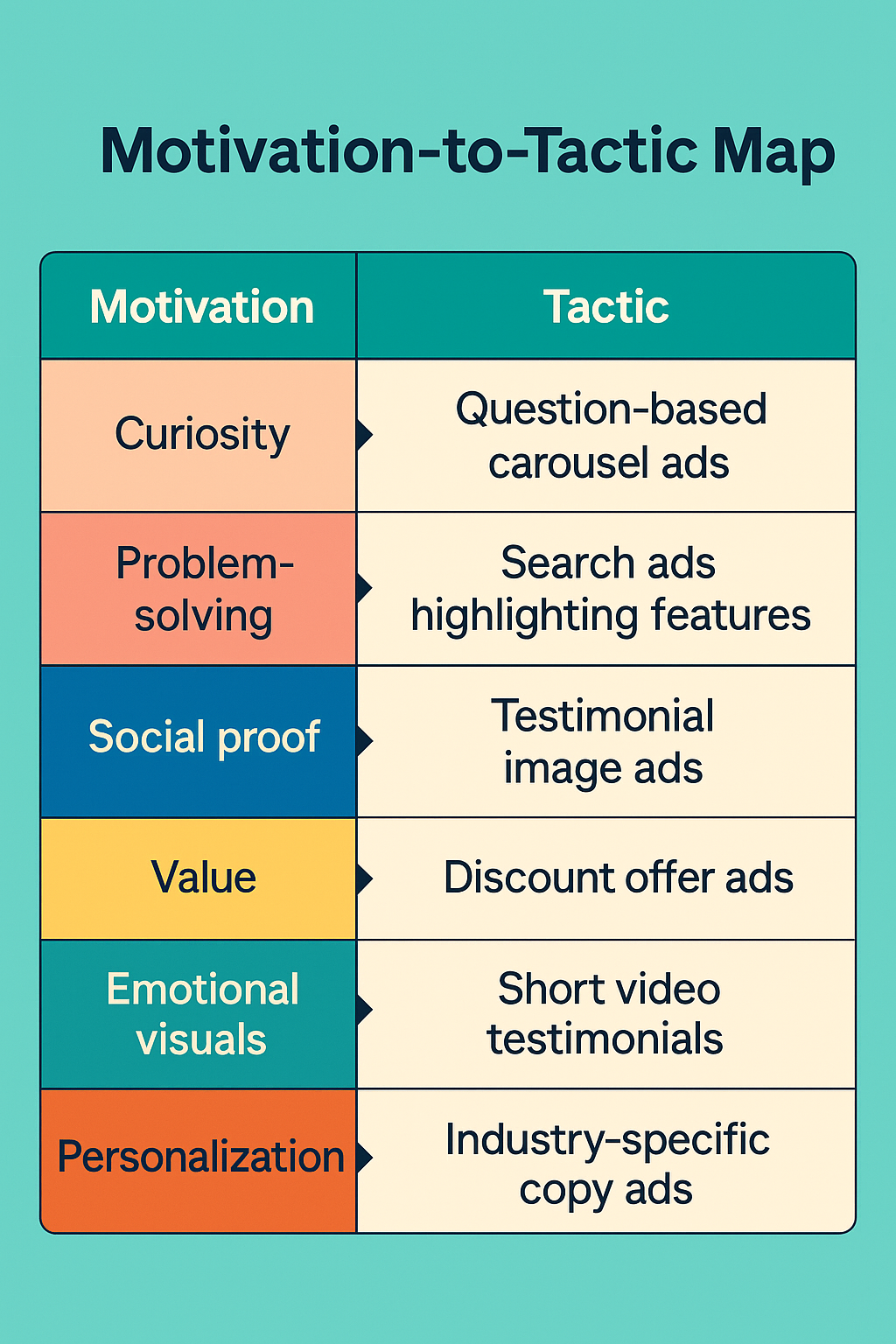
As you plan your next campaign, ask yourself:
- Which of these motivations does this ad speak to?
- And does the creative actually reflect that motivation clearly?
If the answer feels unclear, revise until it isn’t.
Understanding what drives a click is how you move from impressions to action — and from action to results.