
In the world of marketing, trust is the bedrock upon which successful advertising campaigns are built. With consumers constantly being bombarded with advertisements across various platforms, creating a trustworthy message is more important than ever. When an ad feels genuine, it has the potential to convert a passive viewer into an engaged customer. But what exactly makes an advertising message feel trustworthy? Let’s explore the key elements that contribute to building credibility in advertising.
1. Transparency and Honesty
One of the most powerful ways to earn trust through advertising is by being transparent. Consumers appreciate honesty and will gravitate toward brands that present clear, straightforward messages. When advertisements are overly polished or try to exaggerate benefits, they can raise suspicion and diminish trust.
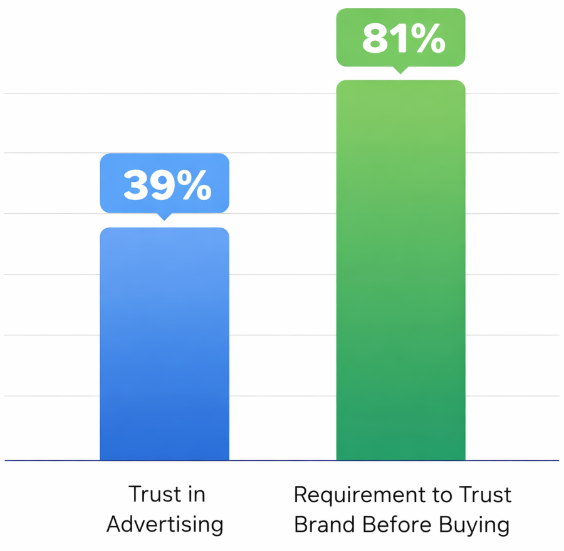
Consumer trust data showing that while only 39% of people trust advertising, 81% require brand trust before considering a purchase
A study by the Edelman Trust Barometer found that 81% of consumers say that they need to trust a brand to make a purchase decision. This highlights the importance of being open about product features, pricing, and potential drawbacks. Being honest in your messaging creates a sense of authenticity, and people are more likely to engage with a brand they perceive as forthright.
2. Use of Social Proof
People tend to trust the opinions of others, especially those who have similar needs or experiences. Social proof—such as reviews, testimonials, or endorsements—plays a huge role in building trust in advertising. When potential customers see that others have had positive experiences with a product, they feel more confident in their own decision-making process.
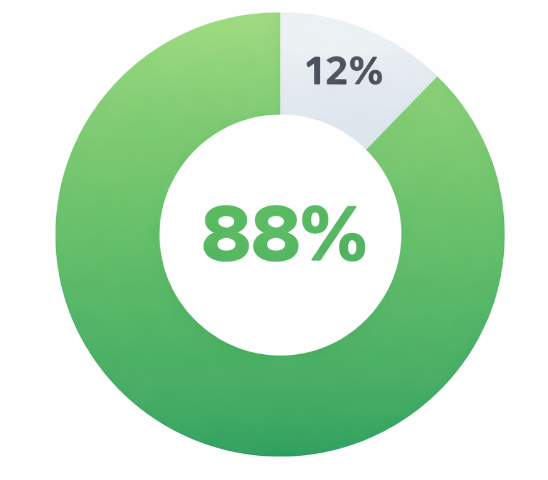
Most customers (88%) trust online reviews as much as recommendations from friends and family
According to BrightLocal's 2022 Local Consumer Review Survey, 79% of consumers trust online reviews as much as personal recommendations. Including customer testimonials or showcasing user-generated content in advertisements can greatly enhance credibility, providing an additional layer of reassurance.
3. Consistency Across Channels
Trust is also built through consistency. A brand that maintains the same tone, messaging, and values across all channels is perceived as more reliable. Inconsistent messaging can cause confusion and mistrust. Whether the message is delivered via social media, email, or a television ad, it should always align with the brand’s identity and promises.
According to McKinsey, 73% of consumers say that consistency across channels is a major factor in determining their loyalty to a brand. Consistency not only helps reinforce a brand’s message but also creates a unified experience for customers, making them feel more comfortable and assured in their choices.
4. Emotional Appeal
Emotions are a powerful driver of trust. Advertising that resonates emotionally with the audience is more likely to be remembered and trusted. Whether through a heartfelt story, humor, or a shared value, emotional appeal can forge a connection that builds trust.
A Nielsen study showed that ads with an above-average emotional response from consumers led to a 23% increase in sales. When brands can tap into the emotions of their audience, it builds a deeper, more personal connection, which in turn fosters trust.
5. Expertise and Authority
Expertise is another significant factor in determining whether advertising messages feel trustworthy. When brands demonstrate their knowledge and authority in their field, they reassure potential customers that they are making informed decisions. This could be through sharing useful tips, industry insights, or highlighting qualifications and certifications.
According to Content Marketing Institute, 70% of B2B marketers prioritize expertise and thought leadership in their content to build trust with their audience. When consumers see a brand as an authority, they are more likely to trust its messages and offerings.
6. Clear Call to Action
A trustworthy ad clearly states what the audience should do next. Whether it’s making a purchase, signing up for a newsletter, or downloading a resource, the call to action (CTA) should be direct and transparent. Ambiguity in CTAs can cause hesitation and doubt, making the message seem less credible.
A Salesforce study showed that 54% of marketers believe clear CTAs improve customer trust. By guiding the audience with a well-defined CTA, brands make it easier for consumers to take the next step with confidence.
For Further Reading:
If you found this article helpful, you may also be interested in these related articles: