In times of financial uncertainty or shifts in business priorities, marketing budgets are often one of the first areas to face cuts. While this can be frustrating, it's also an opportunity to adapt, refine strategies, and focus on what truly matters. If you're facing a marketing budget reduction, there are several strategies you can implement to maximize impact without spending excessively.
1. Prioritize High-ROI Channels
When marketing budgets are cut, it’s crucial to identify which channels provide the highest return on investment (ROI). Analyze past performance and focus your efforts on channels that consistently deliver strong results.
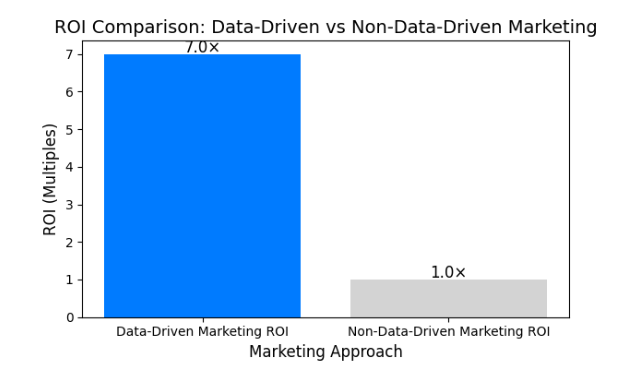
Data‑Driven Marketing ROI: Businesses leveraging data strategies achieve 5–8× higher returns compared to those without data‑driven approaches
-
Paid Search: Paid search campaigns can be an effective way to capture high-intent traffic, especially when you target long-tail keywords or highly specific niches.
-
Email Marketing: With a relatively low cost, email marketing remains one of the most effective ways to reach an engaged audience, nurture leads, and retain customers.
-
Content Marketing: Invest in creating valuable content that aligns with your audience's interests. High-quality content, such as blogs, whitepapers, or case studies, can continue to drive organic traffic long after it’s published.
2. Leverage Data and Automation Tools
Marketing automation tools can help streamline your campaigns and ensure that your limited budget is used efficiently. Automation allows for personalized communication at scale, freeing up time for strategic planning. Additionally, with advanced analytics tools, you can make data-driven decisions, continuously refine your strategy, and better allocate resources where they matter most.
-
Customer Segmentation: Use data to segment your audience based on demographics, behavior, and preferences. This allows you to target specific groups with tailored messages, improving engagement rates.
-
Email Campaign Automation: Set up automated email workflows that nurture leads, engage prospects, and convert them into customers without the need for constant oversight.
-
Performance Tracking: Regularly monitor key metrics, such as customer acquisition cost (CAC) and lifetime value (LTV), to assess the performance of your campaigns and make adjustments as necessary.
3. Collaborate Cross-Functionally
Marketing should never operate in a silo. When budgets are cut, it’s essential to work closely with other departments, such as sales, customer support, and product teams. This collaborative approach allows for a more holistic strategy, ensuring that marketing efforts are aligned with the overall business goals.
-
Sales Alignment: Ensure that your marketing efforts are closely aligned with sales initiatives. Work together to create content that supports the sales team’s objectives and ensure that leads generated are effectively nurtured and passed on.
-
Customer Support Integration: Engage with customer support teams to gather insights on frequently asked questions and pain points. This information can inform your marketing content and campaigns, ensuring that you address your audience’s most pressing needs.
-
Product Teams: Involve product teams in your marketing efforts. They can provide insights on upcoming features or updates, which can be highlighted in marketing content or campaigns.
4. Optimize Your Existing Content
If your budget is limited, one of the most cost-effective ways to maintain momentum is to repurpose and optimize your existing content. Update outdated blog posts, refresh old case studies, or turn webinars into on-demand content.
-
Repurposing Content: A single piece of high-performing content can be repurposed into multiple formats, such as infographics, videos, or podcasts, allowing you to maximize its reach.
-
SEO Optimization: Ensure your content is optimized for search engines. By targeting relevant keywords, improving internal linking, and ensuring high-quality content, you can drive more organic traffic without additional paid advertising costs.
5. Focus on Customer Retention
While acquiring new customers is important, retaining existing customers is often more cost-effective. During times of budget cuts, shift some focus toward customer retention strategies that can boost long-term loyalty and increase lifetime value.
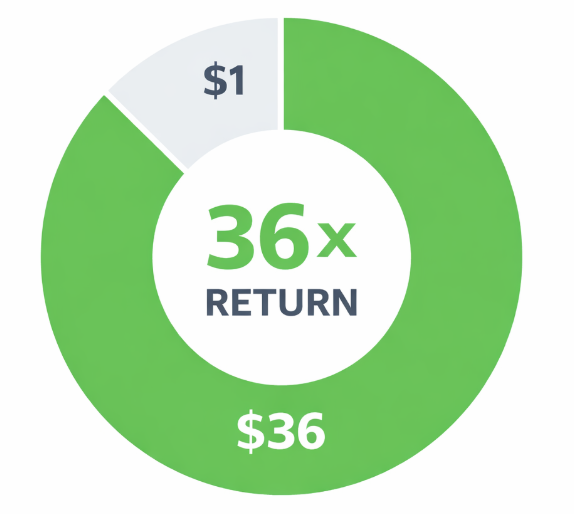
Email Marketing Delivers Exceptional ROI: Every $1 invested can generate $36 in returns
-
Loyalty Programs: Introduce a loyalty program that rewards repeat customers. This not only increases customer retention but also encourages referrals.
-
Engagement: Continue to engage your current customers through regular communication, such as newsletters, exclusive offers, or behind-the-scenes content. Engaged customers are more likely to become brand advocates and refer others.
6. Test and Experiment
Marketing is always evolving, and what worked last year might not be as effective today. Use a portion of your reduced budget to test new ideas and experiment with different strategies. A/B testing, for example, can help you identify the most effective messaging, design, or calls to action for your audience.
-
Creative Testing: Try new formats, visuals, or messages in your campaigns. Testing different approaches can help you discover what resonates best with your audience and improve the overall effectiveness of your marketing efforts.
-
Channel Experimentation: Explore new channels that may have lower barriers to entry, such as social media platforms or influencer partnerships. These channels can provide fresh opportunities to reach your target audience without substantial investment.
Useful Statistics
-
78% of marketers say they are relying more on data-driven marketing to improve efficiency when budgets are cut.
-
57% of businesses report that cutting their marketing budget led to a decrease in brand awareness, highlighting the importance of maintaining consistent marketing efforts even during tough times.