
The period between Christmas and New Year is often viewed as a marketing dead zone. Offices slow down, decision-makers are out of town, and many brands instinctively pause their ad campaigns. But is that assumption still valid? With digital advertising platforms running 24/7 and consumer behavior evolving, this quiet week may offer overlooked opportunities for advertisers willing to adjust their strategy.
Between December 25 and January 1, competition drops—but attention does not disappear. Brands that stay visible during this transitional week can capture cheaper traffic, test new creatives, and prepare stronger campaigns for the new year.
What Happens to Advertising Demand During This Week?
Many advertisers reduce or completely pause campaigns during the final week of the year. According to industry analyses:
-
Global digital ad spend typically drops by 20–30% between Christmas Day and New Year’s Eve compared to early December.
-
Cost-per-click across major platforms often declines by 10–25%, depending on industry and geography.
-
Auction competition is noticeably lower in B2B, SaaS, and professional services, where buying decisions slow temporarily.
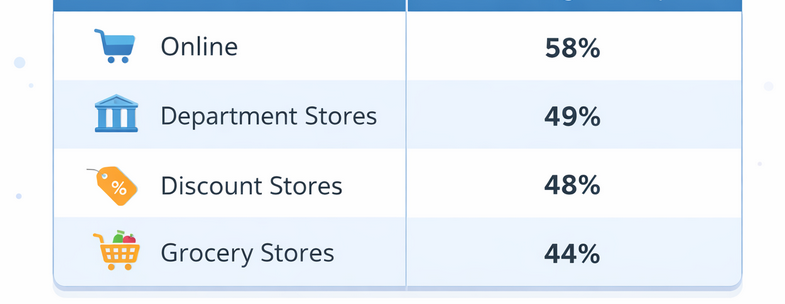
Over half of consumers plan to shop online during the holiday season, with 58 % indicating online shopping intentions compared to other retail channels
Lower demand in ad auctions directly affects pricing, making this one of the cheapest weeks of the year to buy impressions.
User Behavior: Slower, But Not Gone
While purchase intent may soften, user activity remains strong:
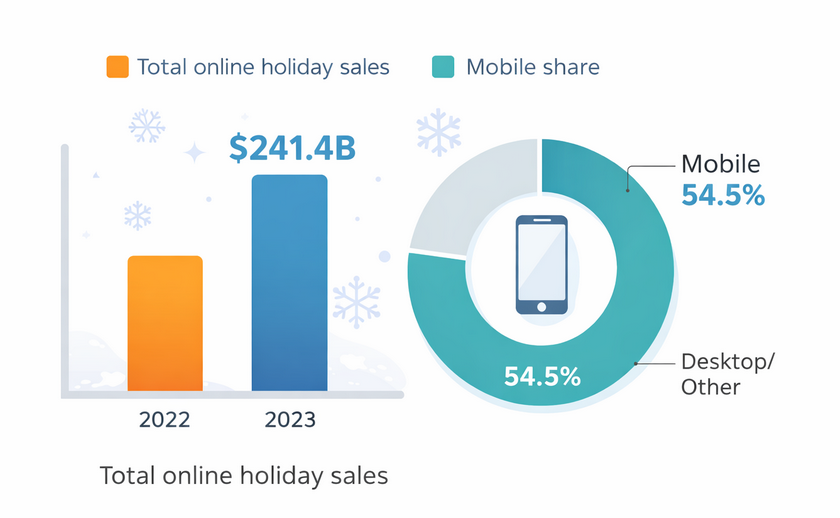
Online holiday spending grew substantially, with consumers spending $241.4 billion over the season and 54.5 % of transactions made via smartphones
-
Internet usage increases by approximately 7–10% during the holiday week as people spend more time at home.
-
Social media engagement peaks in the evenings, with session durations up to 15% longer than average.
-
Mobile usage dominates, accounting for over 65% of browsing time during this period.
Instead of aggressive sales messages, educational, inspirational, and awareness-focused content performs best during this timeframe.
When Advertising Between Holidays Makes Sense
Advertising during this period can be especially effective if your goal is to:
-
Build remarketing audiences for January campaigns
-
Test creatives and messaging at a lower cost
-
Maintain brand visibility while competitors go silent
-
Promote content, sign-ups, or free resources rather than hard sales
Brands that rely on long consideration cycles often benefit more than those dependent on impulse purchases.
When It’s Better to Pause
In some cases, pausing campaigns is still the right decision:
-
If your product or service requires immediate business-day follow-ups
-
If your offer is highly seasonal and already past its peak
-
If your campaigns depend on high-intent search volume that drops sharply during this week
A temporary pause, however, does not mean disconnecting entirely—remarketing and brand campaigns can still run efficiently at reduced budgets.
Strategic Budget Approach
Rather than an all-or-nothing decision, many advertisers benefit from a hybrid approach:
-
Reduce budgets by 30–50% instead of stopping campaigns completely
-
Shift spend toward remarketing and awareness campaigns
-
Focus on platforms with historically lower holiday CPMs
This approach preserves data flow and account stability while minimizing wasted spend.
Key Takeaways
Advertising between Christmas and New Year is not universally effective—but it can be strategically valuable. Lower competition, cheaper traffic, and increased online activity create a unique environment suited for testing, learning, and preparation rather than aggressive selling. Brands that adapt messaging and expectations often enter January with stronger data and momentum.
Related Articles You May Find Useful
Final Thoughts
The quietest week of the advertising calendar is not necessarily the least valuable. With the right objectives and a flexible strategy, advertising between Christmas and New Year can become a low-risk, insight-rich opportunity that sets the stage for a stronger year ahead.