Affiliate disclaimers are more than a regulatory requirement—they are a foundational element of honest marketing. When audiences understand that a creator may receive compensation for recommendations, they are able to interpret the content with full context.
According to recent industry surveys, 76 percent of consumers say they trust brands more when an affiliate relationship is clearly disclosed. Transparency not only ensures legal compliance but also strengthens credibility.
Regulatory Requirements Are Getting Stricter
Advertising regulators increasingly monitor sponsored content, influencer marketing, and affiliate promotions. Clear and conspicuous disclaimers reduce the risk of penalties and protect both creators and brands.
A review of enforcement actions found that over 85 percent of violations involved disclosures that were hard to notice or completely missing. This highlights the need for placements that are visible, immediate, and unambiguous.
How Proper Disclaimers Improve Transparency
1. They provide clarity to the audience
Disclaimers help users understand the incentive behind a recommendation. When the relationship is disclosed upfront, audiences are more likely to view the content as trustworthy.
2. They prevent deceptive impressions
Without a disclaimer, audiences may assume recommendations are entirely unbiased. Proper disclosures ensure that the promotional nature of content is not misleading.
3. They reinforce ethical marketing practices
Marketers who disclose consistently demonstrate a commitment to honesty. This sets a positive standard for long-term audience relationships.
How Disclaimers Strengthen Compliance
1. Reducing regulatory risk
Failing to disclose can result in fines or content removal. Clear, simple disclaimers mitigate this risk and keep campaigns aligned with guidelines.
2. Simplifying audit processes
When disclaimers are consistent across platforms and formats, compliance checks become more efficient.
3. Supporting partner accountability
Marketers can set standardized disclosure expectations for affiliates, ensuring campaigns maintain uniform compliance.
Best Practices for Effective Affiliate Disclaimers
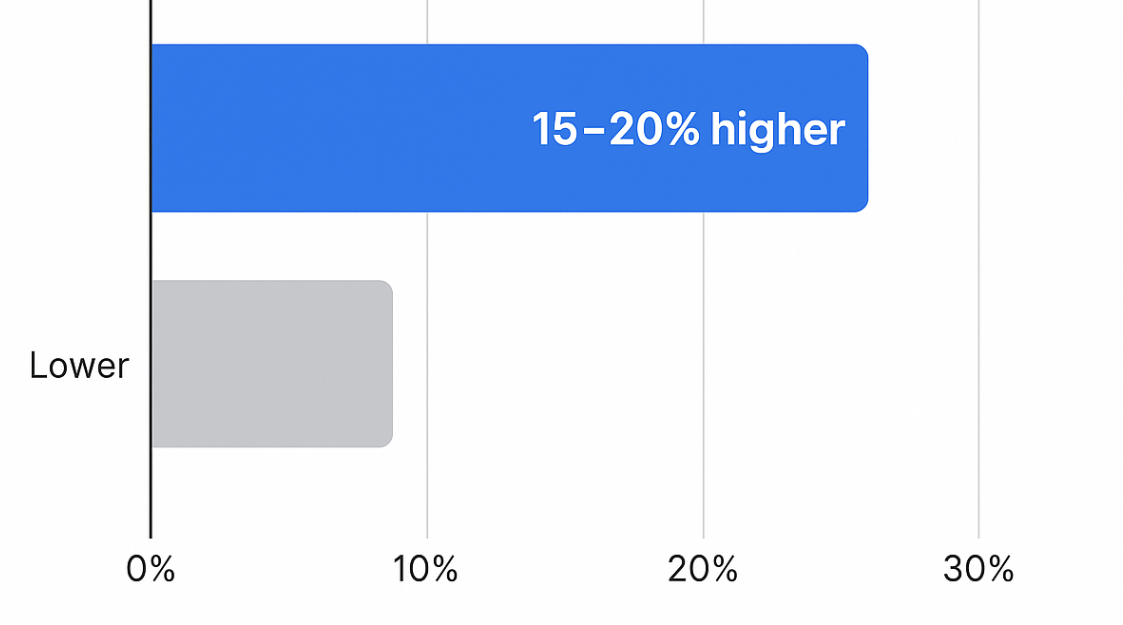
Conversion rates with comprehensive disclosure strategies vs. minimal disclosure practices
Use clear and concise language
Avoid complex legal jargon. Terms like "I may earn a commission" or "This post contains affiliate links" are easy for consumers to understand.
Place disclaimers where they are immediately visible
Disclosures should appear at the top of articles, above links, or within the first few seconds of video content.
Ensure consistency across all channels
Use the same style and clarity of disclosures in written posts, emails, video descriptions, and ads.
Update disclosures as regulations evolve
Staying current with new guidance helps maintain long-term compliance.
The Impact of Clear Disclaimers on Audience Trust
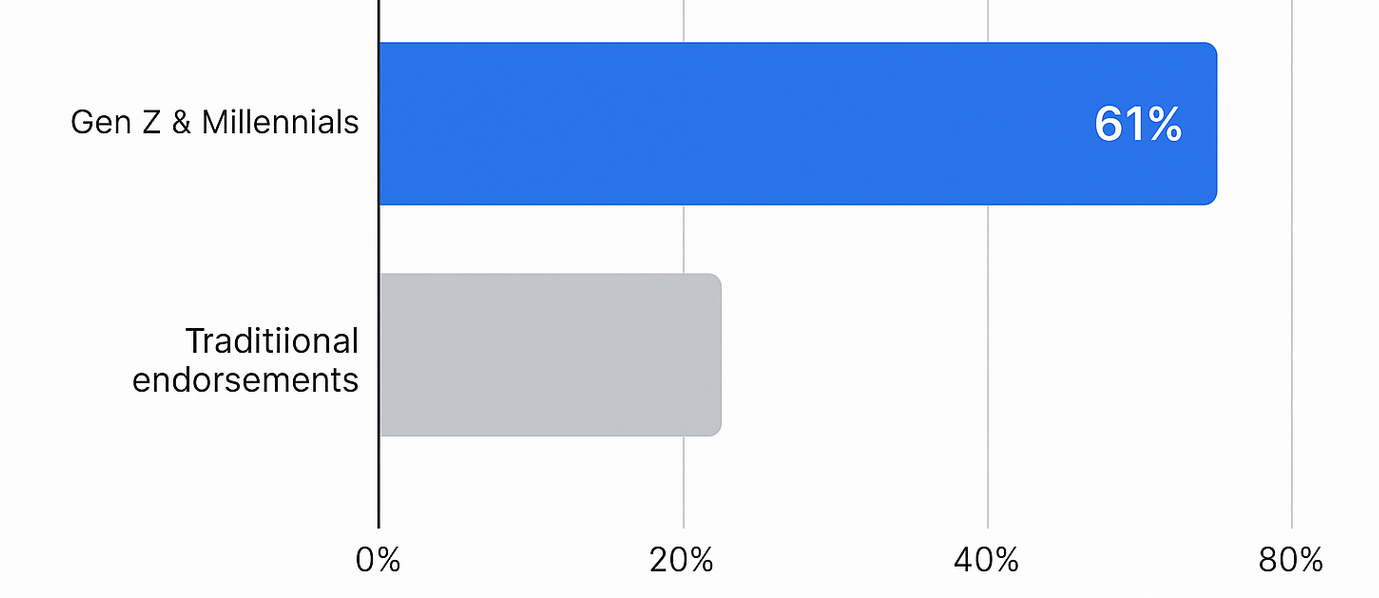
Bar chart showing 61% of Gen Z and Millennials trust transparent affiliate relationships more than traditional endorsements
Consumers increasingly expect brands and creators to be transparent. Survey data shows that nearly 70 percent of users are more likely to engage with content when compensation is disclosed upfront. This demonstrates that honesty does not reduce performance—it can enhance it.
Summary
Affiliate disclaimers elevate both compliance and credibility. By placing clear disclosures at the forefront of content, marketers build durable relationships and reduce regulatory exposure.