Ad platforms rely on machine learning models that continuously adjust how traffic is allocated, bids are optimized, and audiences are evaluated. When an update occurs, fragile campaign structures can collapse because they:
-
Rely on overly narrow targeting or single data signals
-
Reset learning phases too frequently
-
Fragment data across too many campaigns or ad sets
-
Depend on short-term performance hacks rather than stable signals
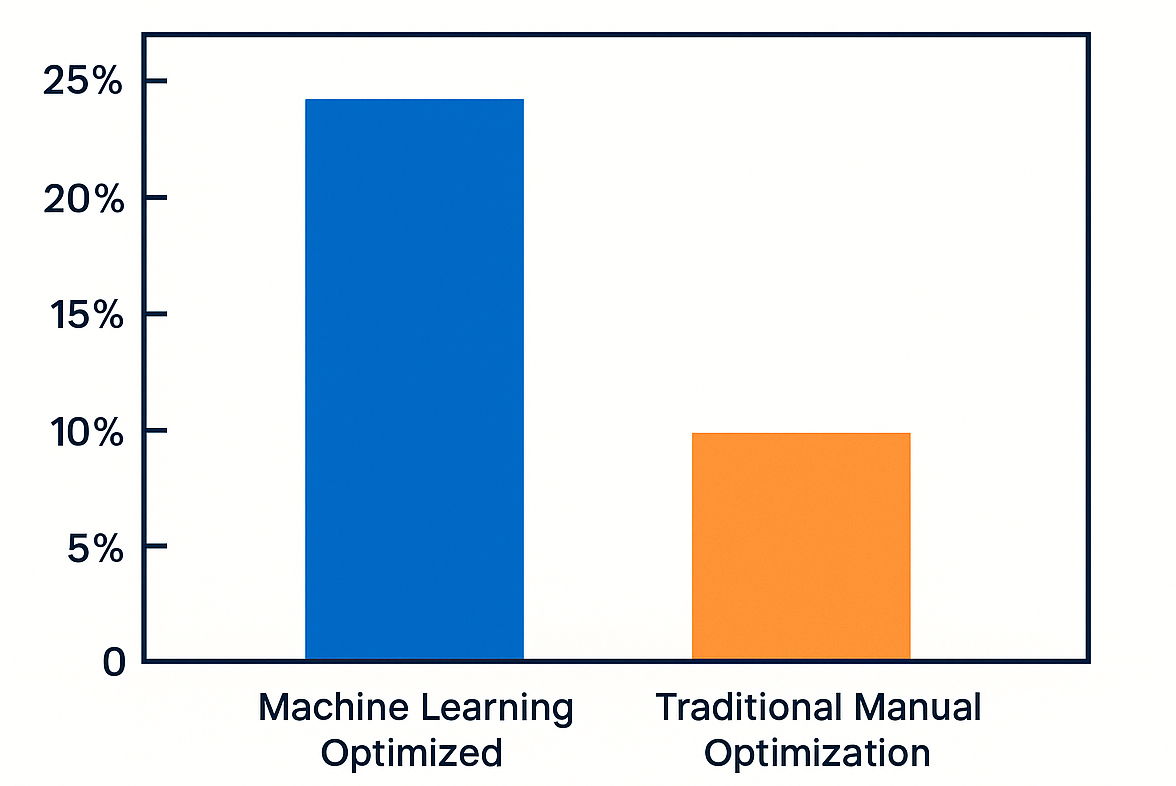
Comparison of average conversion rates: machine-learning optimized campaigns vs. traditional manual optimization
According to industry studies, frequent structural changes can reset optimization learning and reduce performance efficiency by 20–30% in the weeks following major updates.
Principle 1: Consolidate Data, Don’t Fragment It
Algorithms perform best when they have access to large, consistent data sets. Over-segmentation limits learning and makes campaigns more sensitive to model changes.
Best practices include:
-
Fewer campaigns with broader targeting
-
Consolidating similar objectives under one campaign
-
Avoiding unnecessary audience splits based on assumptions rather than data
Platforms consistently report faster stabilization and stronger delivery when campaigns generate at least 50 conversion events per week per optimization goal.
Principle 2: Separate Structure From Experiments
One of the most common mistakes is running experiments directly inside core campaigns. Algorithm updates can amplify the negative impact of constant testing.
To build resilience:
-
Keep core campaigns stable and always-on
-
Run tests in isolated campaigns or ad sets
-
Promote only proven winners into the core structure
This approach prevents experimental volatility from contaminating long-term learning signals.
Principle 3: Optimize Around Business Signals, Not Platform Tricks
Algorithms increasingly prioritize outcomes tied to real value. Structures built around superficial metrics tend to degrade after updates.
Focus optimization on:
-
Purchase or qualified lead events instead of clicks
-
Consistent conversion definitions over time
-
Clean, well-prioritized event hierarchies
Data from multi-platform advertisers shows that campaigns optimized for deeper funnel events maintain up to 35% more stable performance after algorithm shifts compared to traffic-optimized setups.
Principle 4: Use Modular Campaign Design
A modular structure allows you to adjust individual components without disrupting the entire system.
Effective modularity includes:
-
Clear separation by funnel stage (prospecting, retargeting, retention)
-
Independent budget control per module
-
Consistent naming and structure across platforms
This design reduces risk during updates by limiting changes to isolated areas rather than forcing full restructures.
Principle 5: Minimize Learning Resets
Every significant structural change can trigger a new learning phase. Algorithm updates make recovery from these resets slower and less predictable.
To reduce learning disruptions:
-
Avoid frequent budget swings greater than 20–30%
-
Limit creative swaps to planned refresh cycles
-
Make changes incrementally rather than all at once
Advertisers that limit learning resets report up to 25% faster recovery after platform-wide algorithm updates.
Monitoring Stability After Algorithm Changes
Resilient structures still require careful observation. Instead of reacting immediately, evaluate performance using longer windows.
Key stability metrics include:
-
Cost per result trends over 7–14 days
-
Volume consistency rather than daily spikes
-
Conversion quality, not just quantity
Short-term volatility is normal after updates; structural integrity determines whether performance stabilizes or deteriorates.
Common Structural Mistakes to Avoid
-
Duplicating campaigns to chase short-term gains
-
Creating one-off campaigns for every audience idea
-
Mixing testing, scaling, and retargeting in the same campaign
-
Rebuilding structures in response to every performance dip
These patterns increase sensitivity to algorithm changes and slow long-term optimization.
Building for the Long Term
Algorithms will continue to change, but strong campaign structures age well. By prioritizing data consolidation, clean signals, and modular design, advertisers create systems that adapt naturally instead of breaking.
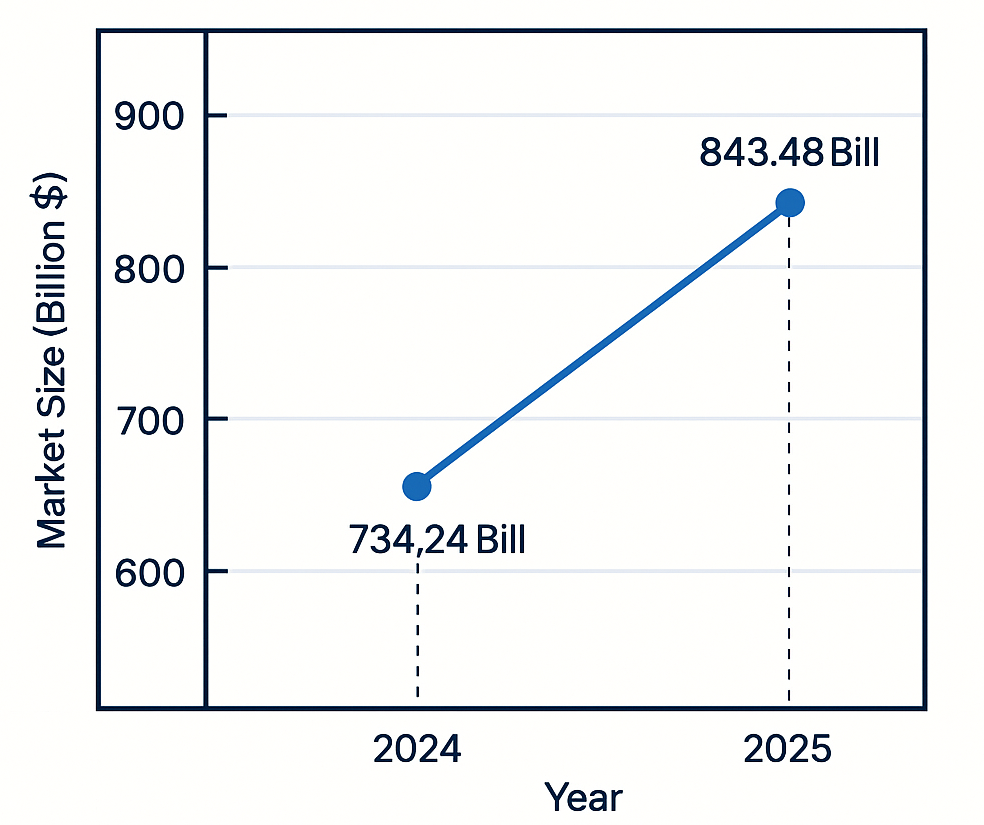
Projected growth of the global digital advertising market from 2024 to 2025
Campaigns built for durability not only survive updates but often benefit from them, as algorithms reward consistency, scale, and high-quality data.