B2B sales teams are under increasing pressure to improve efficiency. According to Gartner, B2B buying groups now involve 6 to 10 decision-makers on average, each armed with independent research and digital touchpoints. Meanwhile, Forrester reports that more than 70% of the buyer’s journey is completed before a prospect engages with sales.
This shift means traditional list-building methods—generic firmographic filters and static databases—are no longer sufficient. In 2026, high-intent prospect lists are built by combining firmographic, technographic, behavioral, and intent data into a dynamic qualification framework.
What Defines a High-Intent Prospect?
A high-intent B2B prospect is not simply a company that matches your Ideal Customer Profile (ICP). It is an account actively exhibiting signals that indicate purchasing consideration.
Key characteristics include:
-
Alignment with your ICP (industry, size, geography, revenue)
-
Relevant technology stack or infrastructure
-
Observable buying signals (content engagement, hiring patterns, product research)
-
Organizational triggers (funding rounds, expansion, leadership changes)
According to Demand Gen Report, 67% of B2B buyers say that vendor selection is strongly influenced by how well a company understands their specific business needs. High-intent list building enables that relevance.
Step 1: Refine Your Ideal Customer Profile with Data
Before capturing intent, your ICP must be precise. In 2026, leading B2B teams go beyond basic firmographics.
Refine your ICP using:
-
Revenue bands instead of employee count alone
-
Growth rate and hiring velocity
-
Technology adoption stage
-
Geographic expansion activity
-
Regulatory or compliance environment
Analyze closed-won accounts from the past 12–24 months. Identify shared patterns in industry micro-verticals, budget authority, and sales cycle length. Use this data to eliminate segments with historically low conversion rates.
Step 2: Integrate Multi-Layered Intent Signals
High-intent prospect lists combine multiple signal types.
1. Behavioral Signals
-
Visits to high-value website pages (pricing, product comparison)
-
Repeated engagement with solution-specific content
-
Webinar registrations and demo requests
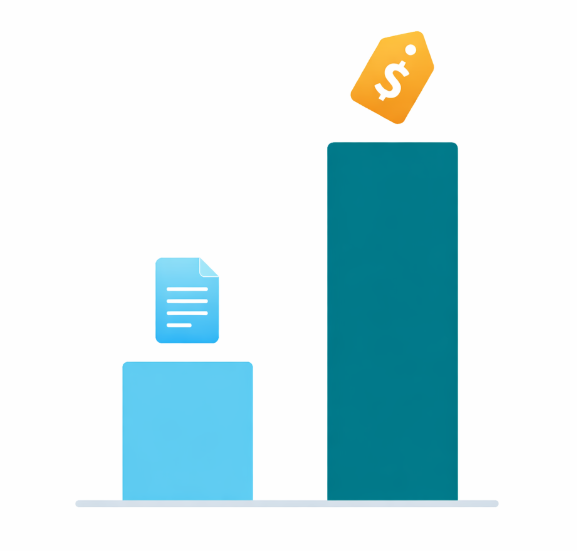
Pricing Page Engagement Significantly Increases Conversion Likelihood vs Blog Views
HubSpot research indicates that leads who view pricing pages are up to 3x more likely to convert compared to those who only read blog content.
2. Third-Party Research Signals
Monitor accounts researching relevant keywords, competitor solutions, or industry-specific pain points across the web.
3. Trigger Events
Trigger-based prospecting remains one of the highest-performing strategies in B2B sales. Examples include:
-
Recent funding rounds
-
Mergers and acquisitions
-
Executive leadership changes
-
Rapid hiring in relevant departments
Companies that experience funding events often increase operational spending within the following 6–12 months.
Step 3: Apply Technographic Qualification
Technographic data has become a critical qualification layer. Knowing what tools a company uses helps determine:
-
Integration compatibility
-
Budget maturity
-
Digital transformation stage
For example, if your solution integrates with enterprise CRM platforms, targeting companies already using sophisticated CRM systems significantly increases adoption probability.
Segment accounts into:
-
Compatible stack (high priority)
-
Competitive stack (replacement opportunity)
-
Non-compatible stack (lower priority)
Step 4: Use Account Scoring Models
Modern prospect list building relies on predictive scoring.
In 2026, high-performing teams use weighted scoring models that combine:
-
ICP fit score (0–40%)
-
Behavioral intent score (0–30%)
-
Trigger event score (0–20%)
-
Engagement recency score (0–10%)
According to McKinsey, organizations using advanced analytics in B2B sales achieve 15–20% higher conversion rates than those using static lead qualification models.
Dynamic scoring ensures your list evolves daily rather than remaining a static spreadsheet.
Step 5: Prioritize Buying Groups, Not Just Individuals
Since most B2B purchases involve multiple stakeholders, your prospect list should map buying committees.
For each target account, identify:
-
Economic buyer
-
Technical evaluator
-
End user
-
Champion
-
Procurement or compliance stakeholder
Linked persona clustering increases meeting acceptance rates and shortens sales cycles. Research shows that deals are 2.3x more likely to close when multiple stakeholders are engaged early.
Step 6: Maintain List Freshness and Data Hygiene
Data decay remains a major challenge. Industry studies estimate that B2B contact data decays at a rate of 20–30% annually due to job changes and company restructuring.
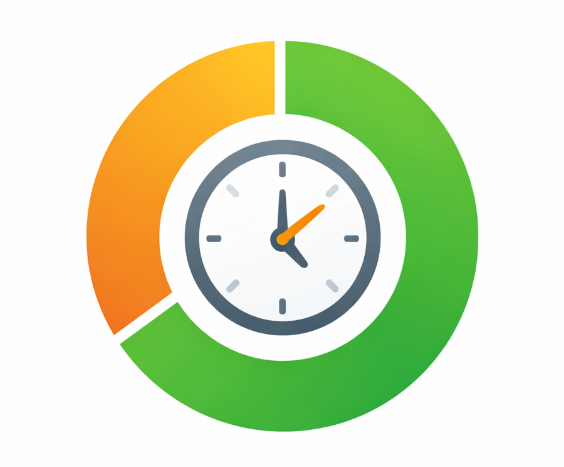
Annual B2B Contact Data Decay: Up to 30% Becomes Outdated Without Regular Maintenance
To maintain high-intent accuracy:
-
Validate email deliverability regularly
-
Remove inactive accounts quarterly
-
Re-score accounts every 30–60 days
-
Monitor job-change alerts
Automated enrichment workflows significantly reduce bounce rates and improve campaign ROI.
Step 7: Align Sales and Marketing Around Intent Definitions
Misalignment between sales and marketing reduces list performance. Establish a shared definition of:
-
Marketing Qualified Account (MQA)
-
Sales Qualified Account (SQA)
-
Intent threshold score
Teams with strong sales-marketing alignment see up to 36% higher customer retention rates, according to Aberdeen research.
Shared dashboards and transparent scoring logic eliminate friction and accelerate pipeline velocity.
Common Mistakes to Avoid in 2026
-
Over-prioritizing volume over intent depth
-
Ignoring technographic compatibility
-
Failing to monitor trigger events in real time
-
Using outdated static lists
-
Targeting single contacts instead of buying groups
High-intent prospecting is about precision and timing—not mass outreach.
The Future of B2B Prospect Lists
By 2026, AI-driven predictive models and real-time enrichment tools have transformed how prospect lists are built. The most effective teams treat prospecting as a continuous intelligence process rather than a one-time list-building task.
High-intent lists:
-
Increase response rates
-
Shorten sales cycles
-
Improve pipeline predictability
-
Reduce customer acquisition costs
In a competitive B2B environment where buyers conduct independent research and expect personalized outreach, building high-intent prospect lists is no longer optional—it is a core growth strategy.
Recommended Reading
-
February Marketing Ideas for Facebook and Instagram Campaigns
-
How to Rebuild Your Ideal Customer Profile Using Paid Social Signals
Building high-intent B2B prospect lists in 2026 requires a structured, data-driven approach. Organizations that combine ICP precision, real-time intent signals, technographic filtering, and predictive scoring will consistently outperform competitors relying on traditional lead generation methods.