Reaching the right audience is no longer about casting a wide net. Modern advertising rewards precision, and one of the highest‑performing tactics today is targeting people who already trust brands similar to yours. These users are primed for conversion: they understand the category, recognize the value of the offer, and require significantly less education before taking action.
Trust becomes the shortcut that accelerates the path from attention to purchase.
Why Similar‑Brand Audiences Perform Better
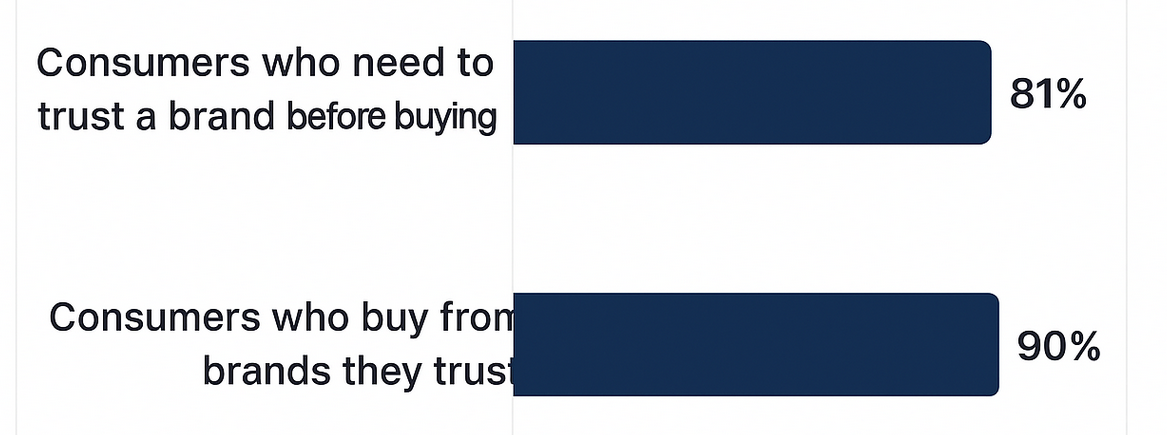
Consumers overwhelmingly prefer purchasing from brands they trust, highlighting the importance of targeting audiences already familiar with similar brands
People who engage with brands adjacent to yours share several characteristics: motivation, awareness, and clear needs. Instead of convincing them that the problem exists, you can focus on why your solution is the best alternative.
Statistics show that category‑aware users convert substantially faster. In customer acquisition studies, brands that focus on competitor‑aware or adjacent‑brand audiences report 28–35 percent higher conversion rates compared to broad targeting. Another industry survey found that 64 percent of consumers prefer trying new products from brands within categories they already trust—a powerful indicator of readiness.
These data points underscore the value of marketing to users who are not strangers to the category—they are simply waiting for a better option.
How to Identify These High‑Value Audiences
Finding people who trust brands similar to yours requires understanding how they behave online. Several sources offer strong signals:
1. Followers of parallel or alternative brands
If someone follows, engages with, or interacts with a competitor or adjacent solution, they’ve already demonstrated interest in your market.
2. Members of category‑specific communities
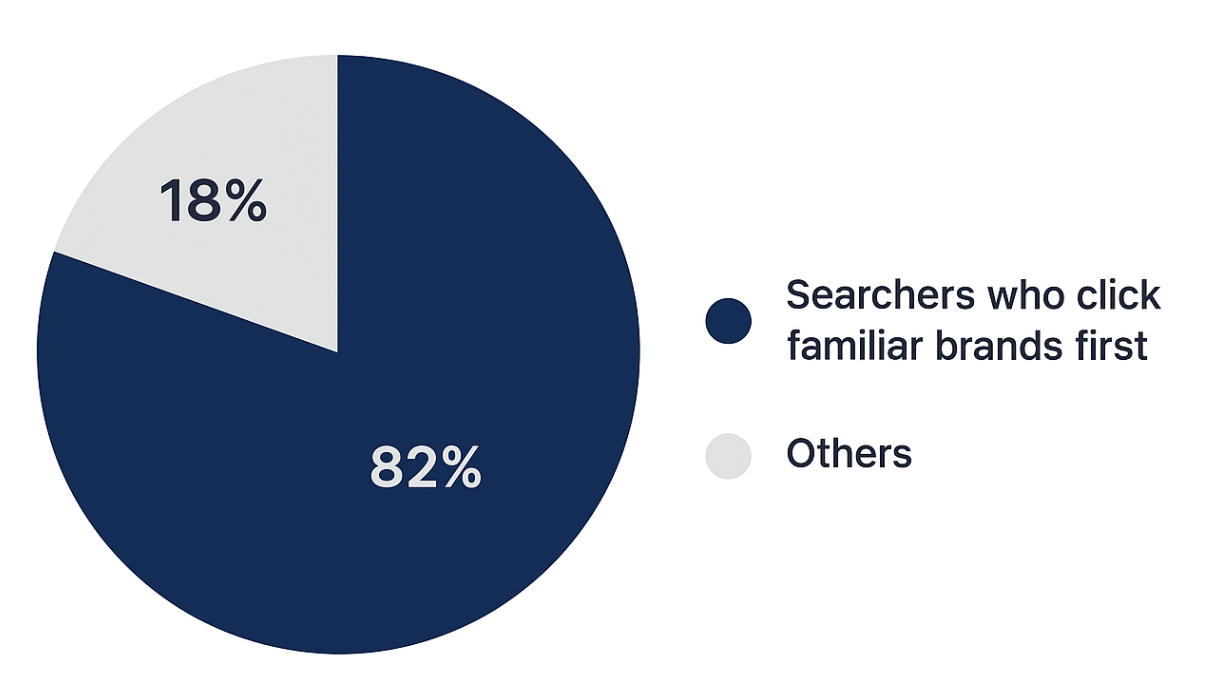
Most searchers click familiar brands first, showing how brand awareness and trust influence early-stage conversion behavior
Groups, communities, or pages where people discuss tools, best practices, or industry trends are full of users who already understand the value proposition.
3. Engaged users who frequently interact with category content
Individuals who consume content such as tutorials, comparison posts, industry updates, and review videos tend to convert faster when presented with a relevant offer.
Across digital platforms, audiences built using these signals consistently show 2–3 times higher engagement rates than generic interest‑based audiences.
Building Campaigns Around Similar‑Brand Trust
Once the audience is defined, structure your campaign to match their expectations.
Highlight Differentiators
These users already know the market. Skip the basics and go directly into what makes your offering different—speed, accuracy, reliability, integrations, or pricing.
Use Social Proof From the Same Category
Testimonials, reviews, and case studies that reflect familiar industry challenges increase credibility. Category‑aware users respond well to recognizable proof points because they can connect them to their existing understanding.
Capture Demand Quickly with Clear, Low‑Friction CTAs
Since these users are primed, reduce steps and streamline the path to conversion. Faster funnels lead to higher ROAS when targeting warm category audiences.
Measuring Performance of Similar‑Brand Audiences
To evaluate performance, compare these audiences against your baseline. Most advertisers see:
-
Lower CPMs than narrow intent audiences
-
Higher CTR from message‑aware users
-
Significant reductions in CPA, often between 18 and 30 percent
Tracking these metrics over time reveals how efficiently the audience scales and how frequently it should be refreshed.
When This Strategy Works Best
Targeting people who trust similar brands is especially powerful when:
-
You enter a competitive category and need rapid traction
-
Your product solves a familiar problem but with better execution
-
You want to convert users frustrated by competitor limitations
-
You aim to expand into neighboring niches with overlapping needs
This strategy aligns with real user behavior—people follow patterns and lean on the familiar when evaluating new options.
Suggested Reading
To go deeper, consider these related articles: