The Meta Behavior Loop describes the cycle through which user actions across Meta platforms generate signals, those signals inform ad delivery, and the resulting content exposure triggers new actions. This loop operates continuously across Facebook, Instagram, Messenger, and Audience Network placements.
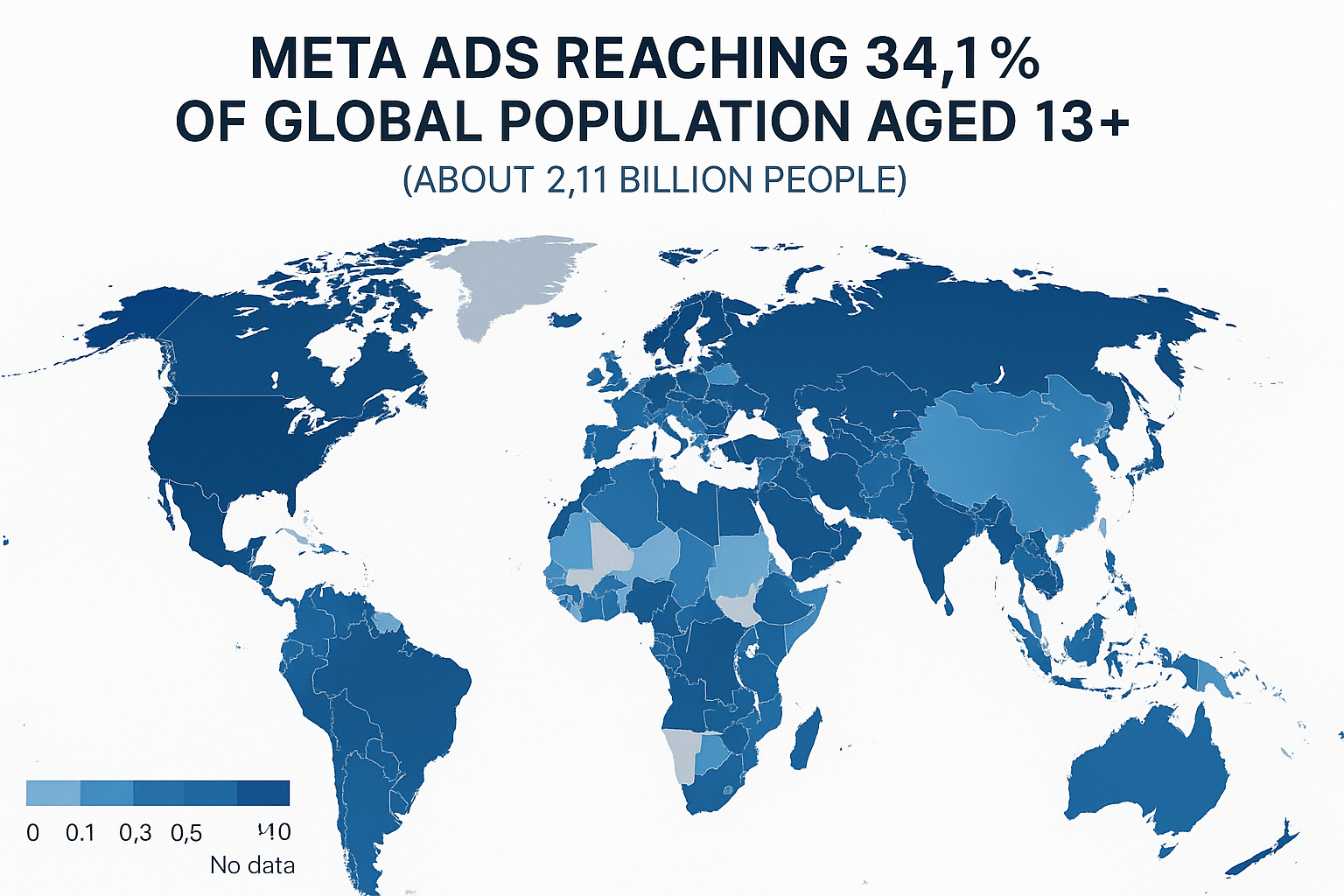
Meta platforms reach over one-third of the world’s population aged 13+, creating a substantial opportunity for signal collection and behavior modeling
At its core, the loop consists of three stages:
-
Behavioral input – users interact with content through likes, comments, saves, video views, link clicks, profile visits, and dwell time.
-
Signal interpretation – Meta’s systems evaluate these actions to infer interests, intent strength, and readiness to convert.
-
Content feedback – ads and organic content are reshaped in real time based on predicted relevance, restarting the loop.
Because the loop is cross-platform, signals gathered in one environment directly influence ad delivery in another.
How Users Signal Intent Without Converting
Most users do not move directly from first exposure to purchase. Instead, they leave a trail of micro-signals that collectively indicate intent.
Common intent signals include:
-
Watching more than 50% of a video ad
-
Saving posts or ads for later
-
Clicking through to a profile or comment section
-
Engaging repeatedly with similar content themes
-
Spending above-average time on carousel or collection ads
According to industry benchmarks, users who save ads are up to 3× more likely to convert later than those who only click, and video viewers who reach the final quartile show 40–60% higher downstream conversion rates compared to short-view audiences.
These behaviors allow advertisers to identify high-intent users well before a form fill or purchase occurs.
Cross-Platform Reinforcement of Intent
One of the most powerful aspects of the Meta Behavior Loop is reinforcement across placements. A user might:
-
Watch a product video on Instagram
-
See related testimonial ads in Facebook Feed
-
Encounter a reminder in Stories or Reels
Each interaction strengthens the system’s confidence in the user’s intent. Meta reports that campaigns leveraging multiple placements see up to 23% lower cost per conversion compared to single-placement delivery, largely due to more consistent signal accumulation.
This reinforcement effect explains why fragmented, platform-specific messaging often underperforms compared to cohesive, loop-aware campaigns.
Timing and Signal Decay
Not all signals are equal, and not all signals age the same way. Recent behavior carries significantly more weight than older interactions.
Key timing insights:
-
Engagement signals lose most of their predictive strength after 7–14 days without reinforcement
-
High-intent actions (saves, long video views) decay more slowly than passive signals (likes)
-
Consistent exposure within short time windows increases conversion probability by 20–30%
Understanding signal decay helps advertisers control frequency and sequencing rather than relying on static retargeting windows.
Creative’s Role in the Behavior Loop
Creative does more than attract attention — it shapes the quality of signals users send back.
For example:
-
Educational creatives generate longer dwell time
-
Comparison formats increase saves and shares
-
Social-proof ads drive comment engagement
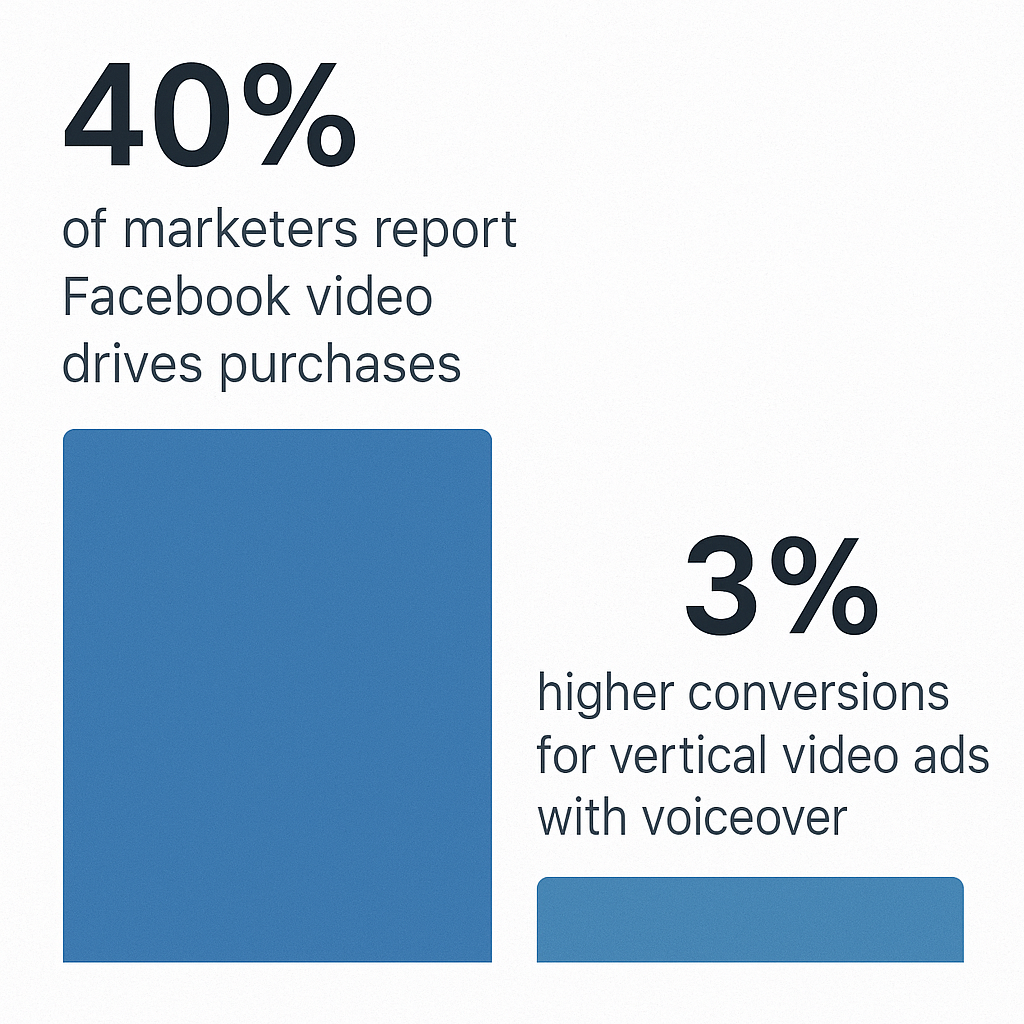
Video ads, especially vertical with voiceover, not only engage users but also correlate with higher conversion effectiveness
Data from Meta-aligned performance studies shows that ads designed to generate mid-funnel engagement produce up to 2× more retargetable signals than direct-response-only creatives.
This makes creative strategy a structural component of intent modeling, not just a messaging layer.
Practical Implications for Advertisers
To work with the Meta Behavior Loop rather than against it, advertisers should:
-
Optimize for signal quality, not just immediate conversions
-
Design creatives that encourage saves, watch time, and repeat engagement
-
Use consistent themes across placements to reinforce intent
-
Refresh creatives before engagement signals decay
Advertisers who align campaigns with behavioral signaling patterns typically see 15–25% improvements in blended CPA over time, driven by better intent recognition upstream.
Recommended Related Reading
-
Creative Refresh Cadence for Always-On Ads – How creative timing impacts engagement signals and performance stability.
-
Building Long-Term Affiliate Revenue With Always-On Ads – Using persistent exposure to strengthen intent over time.
-
The 4-Variable Rule for Running Clean Tests – Isolating behavior-driven variables without corrupting signal quality.
Final Thoughts
The Meta Behavior Loop reveals that intent is not a single action but an evolving pattern. By understanding how users signal interest across platforms — and how those signals feed back into delivery — advertisers can influence demand earlier, allocate budget more efficiently, and build campaigns that improve with every interaction.