

Modern digital advertising frameworks usually follow a familiar sequence: define the target audience, produce multiple creatives, and test them in-market. While this workflow appears logical, it hides a costly gap. Many campaigns fail not because targeting or creative testing is flawed, but because there is no structured process connecting the two.
That missing step is insight translation — the discipline of converting audience signals into clear, testable creative hypotheses.
Why Targeting Alone Is Not Enough
Advanced targeting tools can identify demographics, interests, intent signals, and behavioral patterns with impressive accuracy. However, these data points are descriptive, not prescriptive. They tell you who the audience is, but not what message should resonate or why.
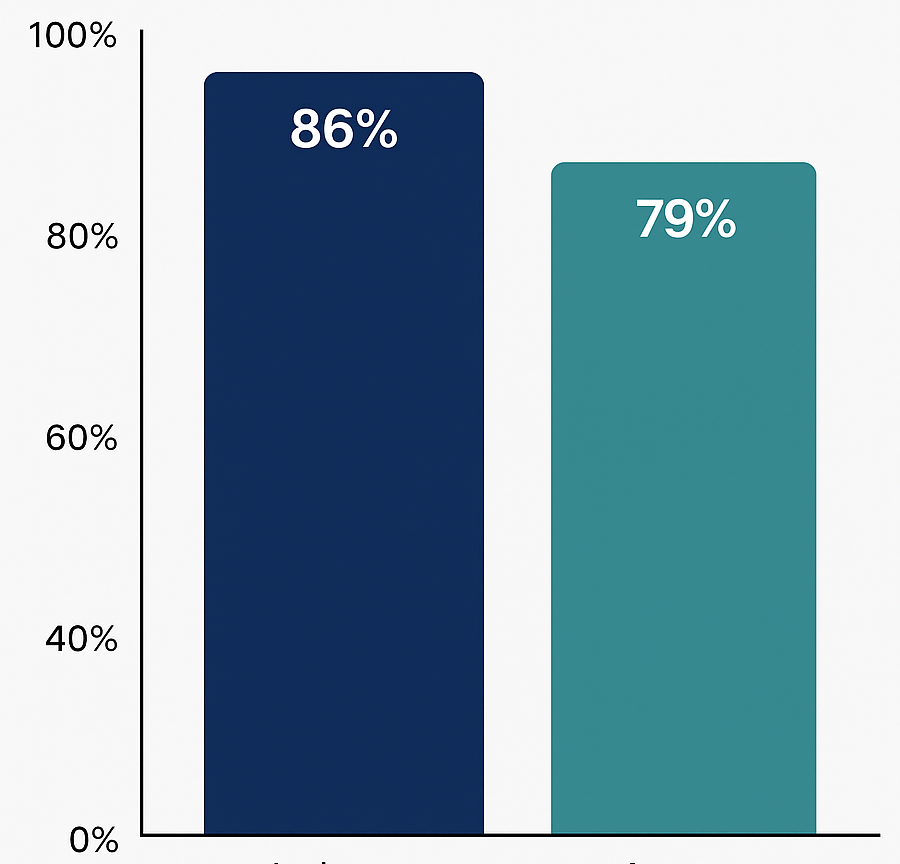
Most marketers struggle to determine the impact of individual marketing channels on overall performance
According to industry research, over 60% of marketers say they struggle to turn audience data into actionable creative direction. As a result, creative concepts are often built on assumptions or internal preferences rather than validated insights.
When this happens, creative tests become inefficient. Teams test multiple variations, but the differences between them are superficial, leading to inconclusive results and wasted spend.
Creative Testing Without a Hypothesis
One of the most common mistakes in performance marketing is testing creatives without a clearly defined hypothesis. Instead of asking a specific question, such as whether urgency messaging outperforms educational messaging for a certain segment, teams test colors, formats, or minor copy changes.
Data from large-scale ad platforms shows that tests built around strong hypotheses are up to 2.5 times more likely to produce statistically significant winners than tests based on cosmetic variations alone. Without a hypothesis, creative testing becomes exploration without direction.
The Missing Step: Insight Mapping
Insight mapping is the bridge between targeting and creative testing. It is a structured process that translates audience data into messaging angles, emotional triggers, and value propositions.
This step typically includes:
-
Interpreting audience signals to identify core motivations, fears, and goals
-
Grouping audiences by problem awareness rather than just demographics
-
Defining a primary message angle for each audience group
-
Formulating clear creative hypotheses that can be tested
By doing this work before any creative is produced, teams ensure that every test is designed to answer a meaningful question.
How Insight Mapping Improves Test Quality
When insight mapping is in place, creative tests become more efficient and informative. Instead of comparing random variations, teams compare distinct messaging strategies. This leads to faster learning and more confident scaling decisions.
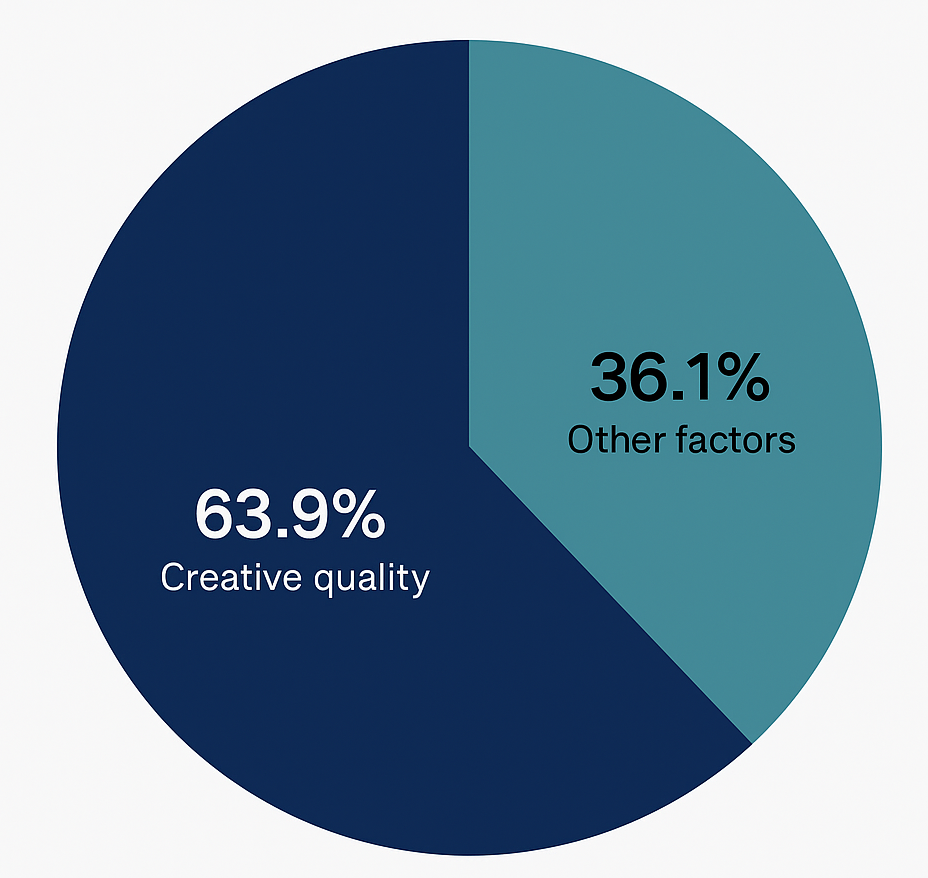
Nearly two-thirds of marketers say quality creative is a major influence on marketing effectiveness
Studies show that campaigns using structured pre-test frameworks see a 20–30% reduction in testing cycles and a measurable improvement in return on ad spend. The key reason is clarity: creatives are designed to validate or disprove specific assumptions about the audience.
From Audience Segments to Creative Angles
A common misconception is that one audience segment needs one creative. In reality, the same audience can respond to multiple angles depending on context and stage of awareness.
Insight mapping helps identify which angles are worth testing first. For example:
-
A problem-aware audience may respond best to pain-focused messaging
-
A solution-aware audience may prefer proof and differentiation
-
A product-aware audience may convert better with social validation or incentives
Testing these angles intentionally is far more effective than rotating generic creatives across the same segment.
Operationalizing the Missing Step
To make this step part of your workflow, it needs to be operational, not theoretical. Teams that succeed usually document insights, hypotheses, and expected outcomes before launching tests.
A simple framework includes:
-
Audience signal summary
-
Key insight or tension
-
Creative hypothesis
-
Success metric
This documentation aligns marketers, creatives, and analysts around the same objective and reduces subjective decision-making during optimization.
Why This Step Is Often Skipped
Despite its value, insight mapping is frequently skipped due to time pressure or organizational silos. Targeting is often owned by media teams, while creatives are produced separately, leaving no clear owner for the translation layer.
Ironically, skipping this step often increases overall workload by creating more failed tests and rework. Investing time upfront leads to fewer but higher-quality experiments.
Building a Stronger Testing System
Creative testing should not be treated as a volume game. The goal is not to test more creatives, but to test better ideas. The missing step between targeting and creative testing ensures that each experiment is grounded in audience understanding rather than guesswork.
Over time, this approach builds a reusable insight library that compounds learning and improves performance across campaigns.
Recommended Reading
To explore related concepts in more depth, consider these articles:
