Instagram is one of the most commerce-driven social platforms, making it ideal for affiliate marketers. Over 70 percent of shoppers use Instagram to discover new products, and formats like Reels and Stories significantly increase engagement compared to static placements.
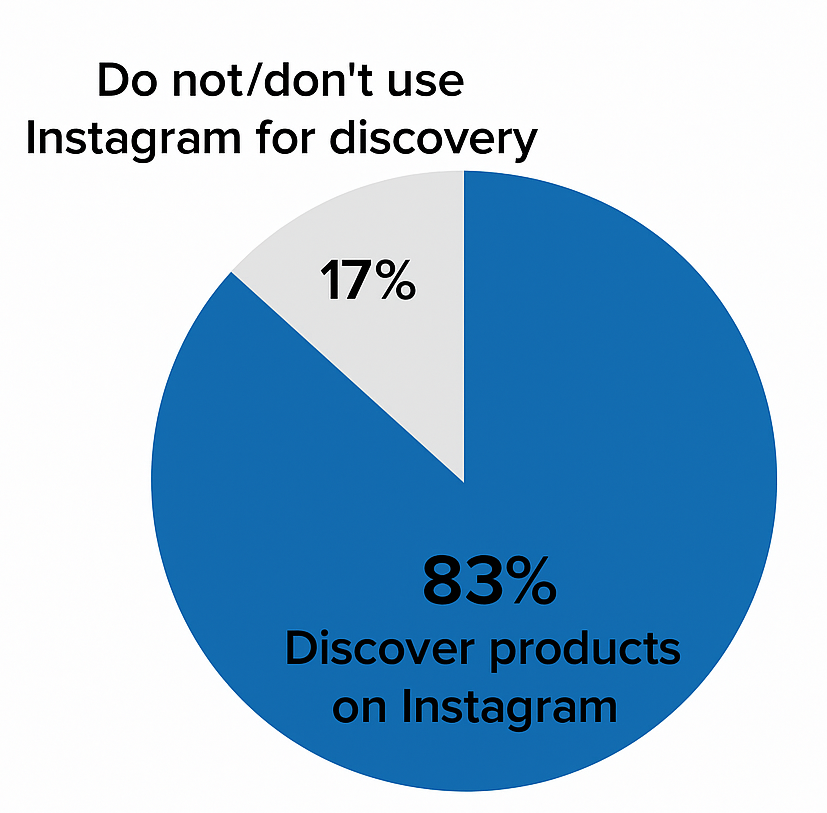
83% of Instagram users report discovering new products or services on the platform
With the right campaign framework, Instagram ads can scale affiliate conversions predictably. The key is approaching the strategy like a performance marketer—not an influencer.
Step 1: Promote Only High-Intent, Clickworthy Offers
Not every affiliate offer fits Instagram. Audiences interact best with:
-
Products with a clear visual benefit
-
Offers that solve a real everyday problem
-
Tools or services people can understand quickly
A study by Meta shows that ads featuring a single clear value proposition generate up to 32 percent higher conversion rates than cluttered creative.
Step 2: Build Audiences That Match Buyer Intent
The biggest mistake affiliate advertisers make is going too broad. Instead, focus on audience signals that reflect purchase intent:
-
People engaging with similar products or competitor accounts
-
Users who interacted with your content in the past 30–90 days
-
Custom audiences based on website or funnel activity
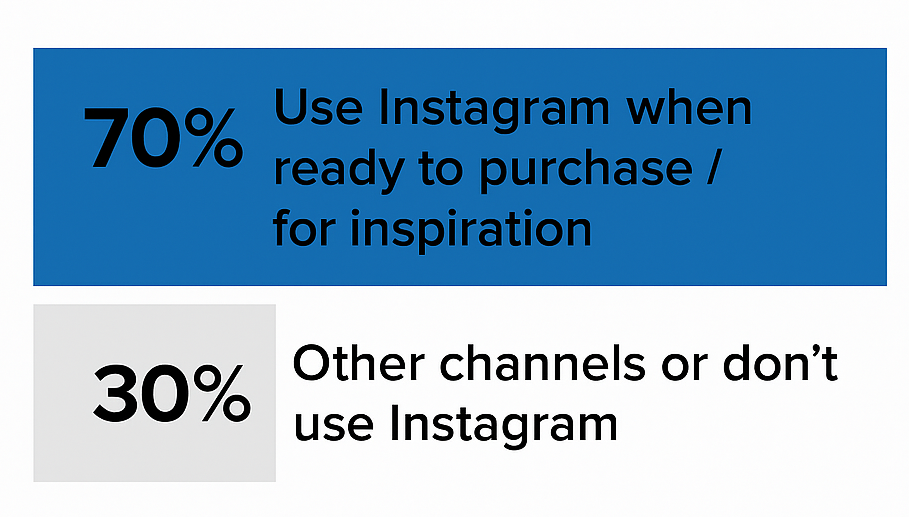
70% of shoppers use Instagram when considering a purchase or looking for purchase inspiration
According to internal Meta benchmarks, retargeting audiences can convert 2–3× higher than cold audiences.
Step 3: Use the Right Instagram Ad Formats for Each Funnel Stage
A smart funnel uses different formats to move users from interest to action.
Top of Funnel (Awareness)
-
Short Reels
-
Story teasers
-
Static images highlighting the problem the product solves
Mid Funnel (Consideration)
-
Carousel ads showing benefits
-
Reels with demonstrations
-
Clear value statements
Bottom of Funnel (Conversion)
-
Direct response Stories
-
Limited-time offer reminders
-
Review-based creatives
Instagram reports that vertical mobile-first videos drive up to 12 percent higher conversions compared to non-optimized creative.
Step 4: Optimize for Conversion, Not Clicks
Clicks don’t equal revenue. Set your campaign objective to conversions or sales events to allow the algorithm to optimize toward real buyers.
Monitor:
-
Cost per acquisition
-
Landing page conversion rate
-
Frequency (avoid going above 5–7 too early)
A benchmark analysis shows that every 1-second delay in landing page load time can drop conversions by up to 20 percent—meaning ad optimization must include post-click performance.
Step 5: Build Trust With Social Proof and Compliance
Affiliate ads work best when they feel credible.
Use:
-
Real customer reviews
-
Before/after examples (only when compliant)
-
Demonstrations or quick tutorials
Instagram users cite “authentic content” as one of their top purchasing motivators, with nearly 60 percent saying they buy from brands they feel they can trust.
Always include proper affiliate disclosures in the ad or landing page.
Step 6: Test Creatives Rapidly and Kill Underperformers
Winning creatives on Instagram rarely stay winners for long. Test:
-
Multiple hooks
-
Visual variations
-
Benefit vs. problem-led messaging
Industry studies show that creative fatigue typically begins after 5–7 days of repeated exposure. Refreshing creatives weekly helps maintain CTR and conversion efficiency.