Modern ad platforms make it easier than ever to reach precise audiences. Marketers can target by interests, behaviors, job titles, purchase intent, and even prior engagement. Yet despite increasingly accurate targeting, many campaigns underperform at the conversion stage.
This disconnect—where ads reach the right people but fail to generate action—is known as the targeting-to-conversion gap. Understanding why this gap exists is the first step toward closing it.
Why Accurate Targeting Isn’t Enough
Targeting determines who sees the ad, but it does not guarantee why they should care or what they should do next. Industry research consistently shows that most campaign failures occur after the impression, not before it.
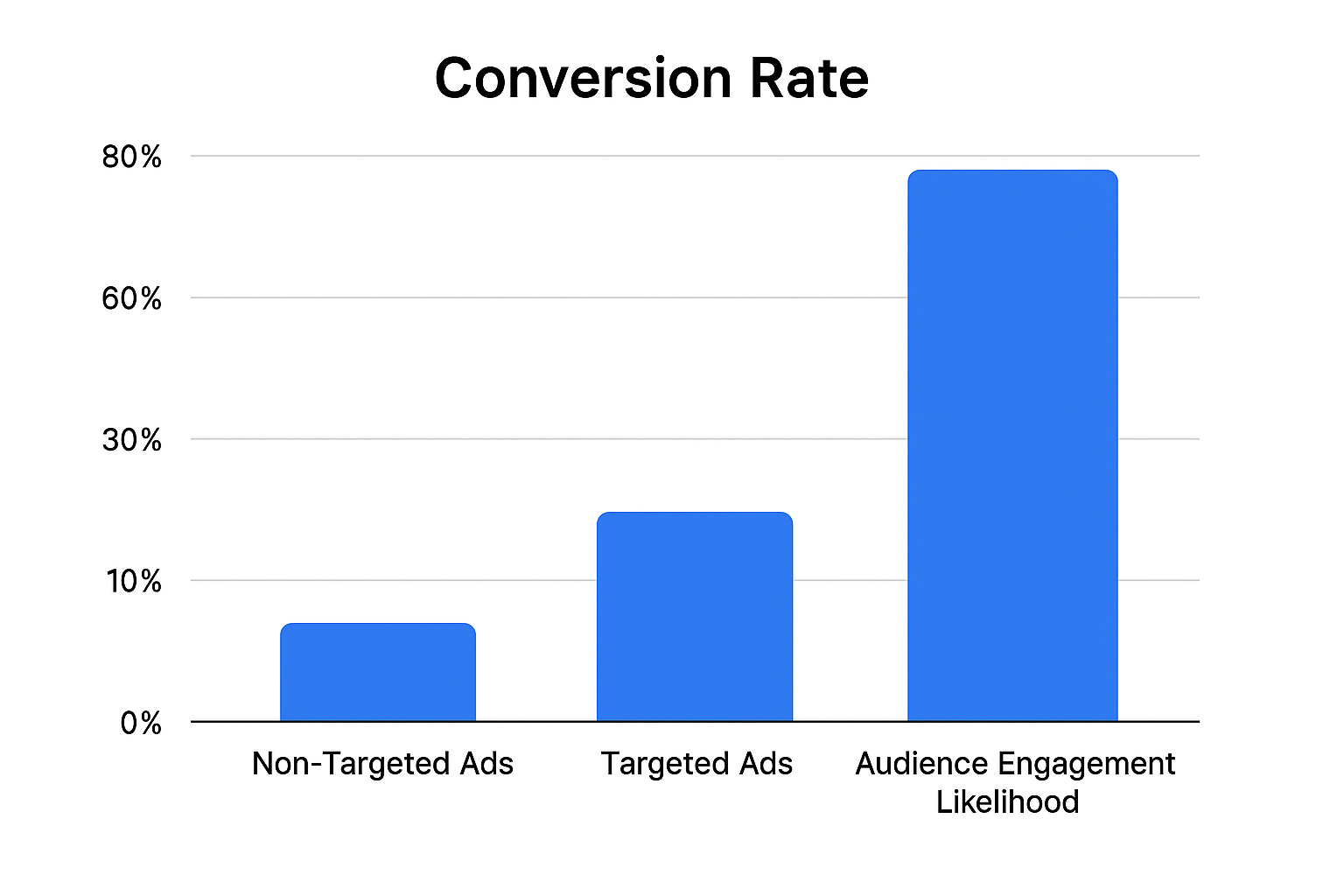
Conversion impact of targeted advertising vs non-targeted: targeted campaigns drive up to 3× more conversions and significantly higher audience engagement
For example, studies show that while over 70% of marketers believe their audience targeting is effective, fewer than 30% are satisfied with their conversion rates. This gap highlights that the issue is rarely audience selection alone.
Where Campaigns Commonly Break Down
1. Message–Audience Misalignment
Even perfectly targeted audiences will ignore ads that don’t match their intent or stage of awareness. A common mistake is serving bottom‑funnel offers to cold audiences or generic messages to high‑intent users.
Data indicates that ads aligned with user intent can generate up to 2× higher conversion rates than generic creative served to the same audience.
2. Creative Fatigue and Repetition
Audiences may be correct, but creatives often go stale. Research shows that click‑through rates can drop by more than 40% after repeated exposure to the same ad creative. When engagement declines, conversion efficiency follows.
Without regular creative refreshes, campaigns slowly lose effectiveness—even when targeting remains unchanged.
3. Friction After the Click
The conversion gap often widens on the landing page. Slow load times, unclear value propositions, and complex forms all reduce performance. According to multiple conversion studies, each additional second of page load time can reduce conversions by up to 7%.
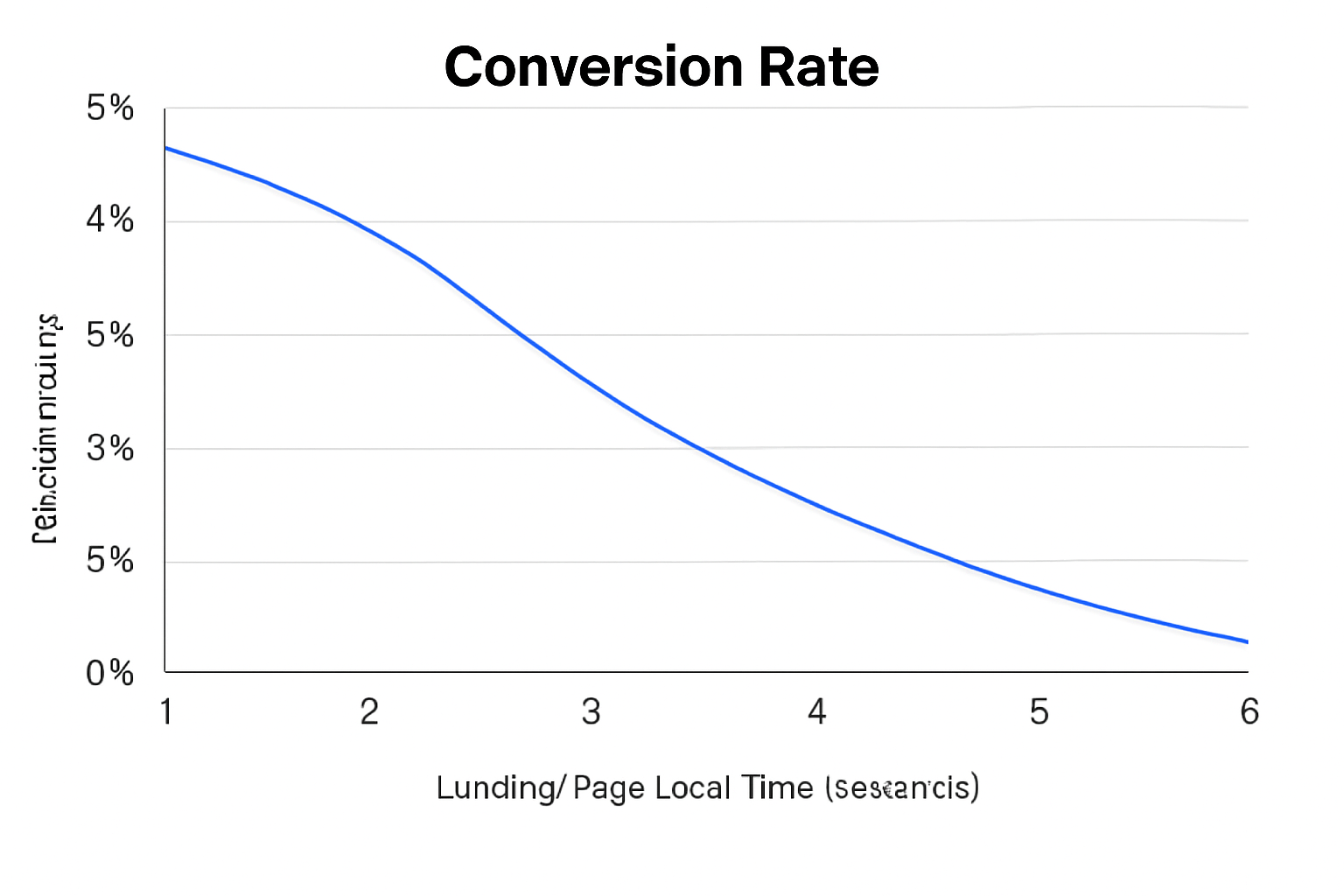
How landing page speed affects conversion rate — even a one-second delay can reduce conversions by around 7%
In many campaigns, the ad promise and the landing page experience are poorly aligned, creating confusion or mistrust.
4. Over‑Optimization for Platform Signals
Optimizing solely for platform metrics such as clicks or impressions can mask deeper problems. Campaigns may appear successful in dashboards while producing low‑quality leads or minimal revenue impact.
In fact, advertisers report that up to 60% of generated leads never convert into sales due to poor intent qualification or misaligned offers.
How to Close the Targeting-to-Conversion Gap
Treat Targeting and Conversion as One System
High‑performing campaigns are designed holistically. Audience selection, messaging, creative format, and post‑click experience must all support the same goal.
Campaigns that align targeting, creative, and landing pages have been shown to achieve conversion rate lifts of 30–50% compared to fragmented setups.
Match Creative to Funnel Stage
Segment audiences not just by who they are, but by where they are in the decision journey. Educational content works best for cold audiences, while proof‑driven and urgency‑based messages convert warmer segments.
Measure Beyond Clicks
To truly identify gaps, track metrics that reflect business impact: lead quality, cost per qualified action, and downstream conversion rates. This shift often reveals where performance drops off after the initial click.
Key Takeaway
The biggest performance leaks in digital advertising rarely come from poor targeting alone. They come from the gap between audience precision and conversion execution. Closing this gap requires aligning intent, creative, and experience—not just refining audience filters.