Modern advertising is built on data, algorithms, and predictive models. Yet even with advanced targeting and automation, ad performance frequently deviates from expectations. Click-through rates spike or collapse overnight, costs rise without warning, and conversions fail to follow projected curves. These discrepancies are not random—they are the result of complex, interacting factors across platforms, audiences, and systems.
Platform Algorithms Are Dynamic, Not Static
Advertising platforms continuously adjust how ads are delivered. Algorithms optimize toward goals such as conversions, engagement, or return on ad spend, but they learn in real time. During learning phases, performance volatility is common. According to industry benchmarks, new campaigns can show cost-per-conversion fluctuations of 30–50% in the first one to two weeks before stabilizing.
In addition, algorithm updates are frequent and often unannounced. A change in how impressions are auctioned or how relevance is scored can significantly affect delivery, even if nothing in the campaign itself has changed.
Audience Behavior Is Less Predictable Than Models Assume
Forecasts are typically built on historical data, but user behavior is influenced by external factors that models cannot fully anticipate. Seasonality, economic conditions, breaking news, and competitor activity all shape how users respond to ads.
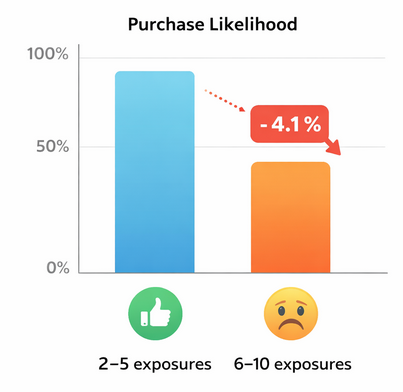
Average click-through rate (CTR) for social ads sits around 1.4%, emphasizing how modest engagement can be even for well-targeted campaigns
For example, studies across major ad platforms show that during high-competition periods, average cost per click can increase by 20–40%, while conversion rates may simultaneously decline. This creates a performance gap that planners often interpret as a campaign issue, when it is actually a market shift.
Attribution Models Distort Perceived Performance
Ads may perform better or worse than expected simply because of how results are measured. Different attribution models assign credit in different ways, changing how success is perceived.
Data from multi-channel attribution analyses indicates that last-click models can undervalue upper-funnel ads by up to 45%, while over-crediting lower-funnel placements. As a result, some ads appear inefficient even though they play a critical role earlier in the customer journey.
Creative Fatigue Happens Faster Than Anticipated
Even high-performing creatives degrade over time. Audiences become accustomed to repeated messages, leading to declining engagement. Research across display and social campaigns shows that click-through rates can drop by 15–25% after the first two to three weeks of continuous exposure to the same creative assets.
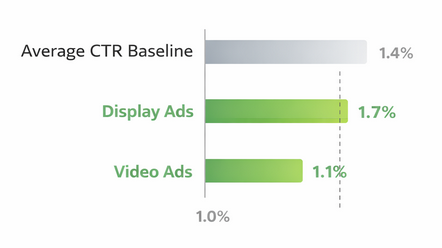
Ad fatigue increases exposure but reduces purchase likelihood — viewers shown the same ad 6–10 times were 4.1% less likely to convert than those shown it 2–5 times
When forecasts assume stable creative performance, they fail to account for this natural decay, making real-world results look unexpectedly weak.
Data Quality and Tracking Limitations
Performance expectations rely heavily on accurate data. However, tracking disruptions are increasingly common. Privacy regulations, browser restrictions, and ad blockers reduce visibility into user actions.
Industry reports estimate that 10–30% of conversion data may be lost or delayed due to tracking limitations. This gap can make ads appear to underperform, even when actual user impact is stronger than reported.
How to Reduce the Gap Between Expectations and Reality
While ads will never behave with complete predictability, the gap can be narrowed:
-
Build forecasts as ranges, not fixed targets, to account for volatility.
-
Monitor leading indicators such as engagement and impression quality before judging conversions.
-
Refresh creatives proactively to counter fatigue.
-
Use multiple attribution views to understand true impact.
Conclusion
Ads behave differently than expected because digital advertising operates in a constantly shifting environment. Algorithms evolve, audiences change, measurement is imperfect, and competition never stands still. Marketers who recognize these dynamics are better equipped to adapt quickly, interpret results accurately, and make smarter optimization decisions.