Many advertisers expect every campaign to drive immediate conversions. In reality, that is rarely how paid social works. On platforms like Instagram and Facebook, users usually need multiple interactions before they are ready to act. Ads often introduce a brand long before they produce revenue.
This is why high-performing accounts separate short-term results from long-term impact instead of forcing every campaign to sell.
What It Means When an Ad Isn’t Designed to Convert
Not every ad should push for a purchase or lead submission. Some ads exist to create context, familiarity, or understanding. When advertisers ignore this, they often misread performance data.
In practice, this usually shows up as:
-
High reach with limited clicks, which still increases exposure and recognition.
-
Engagement on non-promotional content, such as educational videos or explainers.
-
Users returning later through retargeting or branded searches.
This is also why metrics like brand awareness and recall are often tracked separately, as explained in Leadenforce’s article on
why brand recall is a key marketing metric.
How Users Progress Before They Convert
Most users do not open social apps planning to buy. They scroll, pause, and react to content that feels relevant to their situation. Effective ads respect that behavior rather than trying to interrupt it.

In most campaigns, progress follows a clear pattern:
-
Awareness stage: Users notice a problem, category, or idea without seeing an offer.
-
Understanding stage: Ads explain how the problem is solved and what options exist.
-
Decision stage: Users evaluate trust, fit, and risk before acting.
Campaigns aligned with this flow usually see stronger results downstream.
The Purpose of Awareness and Consideration Ads
Some ads are meant to shape perception rather than generate direct revenue. Their impact is indirect but measurable over time. These ads support future conversion campaigns by reducing resistance.
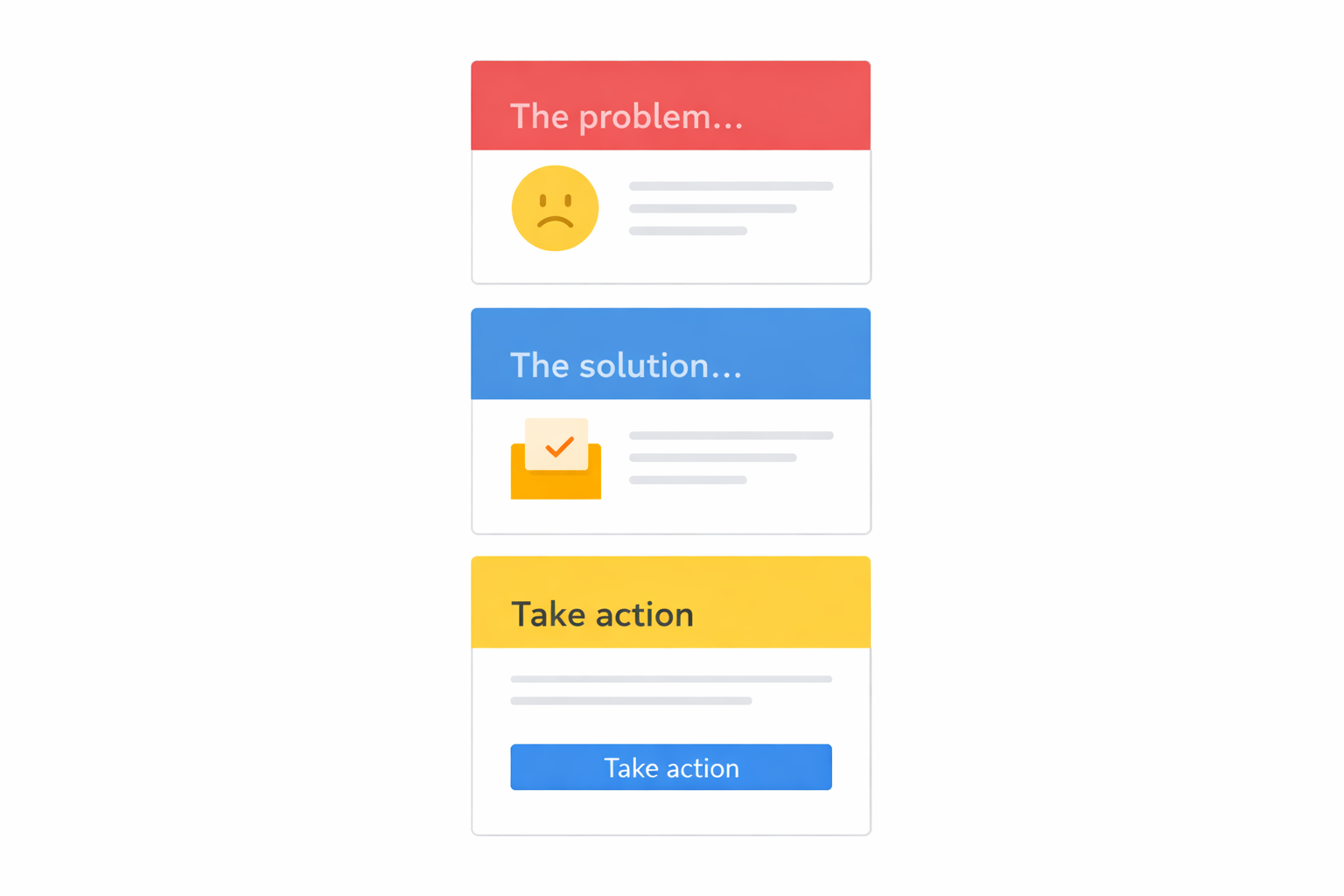
They often focus on:
-
Explaining a real-world problem users already experience.
-
Showing how a product fits into daily workflows or decisions.
-
Establishing credibility through clarity instead of urgency.
This approach is especially important in competitive auctions, where pushing offers too early increases CPMs and creative fatigue. Leadenforce explores similar dynamics in articles about how advertising shapes brand perception over time.
Why Platforms Need Signals Before Conversions
Ad platforms optimize based on behavior, not intent alone. Before algorithms can predict who will convert, they need evidence that people find your ads relevant. Upper-funnel campaigns provide that evidence.
Key signals include:
-
Video watch time that goes beyond the opening seconds.
-
Saves, shares, or meaningful engagement that indicates interest.
-
Stable frequency over time, showing users are not immediately tuning out.
Without these signals, conversion-focused campaigns often remain expensive and inconsistent.
When Conversion-Focused Ads Become Effective
Conversion ads work best when users already understand the brand and offer. At that point, asking for action feels logical rather than forced. This is where direct-response optimization becomes effective.
These ads perform best when they:
-
Retarget users who engaged with earlier educational or awareness content.
-
Use consistent messaging and visuals to reinforce recognition.
-
Reduce uncertainty with proof, such as testimonials or clear outcomes.
This is also why sequencing matters more than simply increasing budget.
Measuring Performance Beyond Immediate Sales
Advanced advertisers avoid judging all campaigns by last-click attribution. Instead, they evaluate how different layers of the funnel support each other. This reveals why some accounts scale while others stall.
More informative metrics often include:
-
Engagement cost trends across similar creatives.
-
Conversion rate differences between exposed and unexposed audiences.
-
Time-to-conversion changes after awareness campaigns launch.
This approach aligns closely with how platforms actually report assisted and view-through conversions.
Structuring Campaigns Around User Intent
Well-structured ad accounts are organized by intent, not by format alone. Each campaign has a clear role and its own success criteria. This prevents internal competition and mixed optimization signals.
A practical structure usually includes:
-
An awareness layer focused on relevance and education.
-
A consideration layer built around explanation and comparison.
-
A conversion layer reserved for users ready to act.
This structure supports both efficiency and scalability, especially on Meta platforms.
Final Take
Not every ad is meant to convert immediately. Some ads build understanding, familiarity, and trust that make later conversions possible. When advertisers recognize these roles, they make better decisions about creative, budget, and measurement.
Sustainable performance comes from sequencing and intent, not pressure. Ads perform better when they meet users where they are, not where advertisers wish they were.