Video gets most of the attention in Meta advertising. Many teams assume better production means better results. In reality, simple static ads often win.
This is not about cost. It is about how people scroll, think, and decide in seconds.
The Assumption That Video Always Wins
High-production video feels impressive. It looks professional and polished. That creates internal confidence before results even come in.
Meta does not reward effort. It rewards predicted action at the impression level. A clear image with a strong message can outperform a cinematic video.
If you want a breakdown of different formats, see this guide to Facebook ad formats. Format alone does not guarantee performance.
Static Ads Match How People Actually Scroll
Most users scroll fast. They do not wait for a story to unfold. They decide in a split second whether something is relevant.
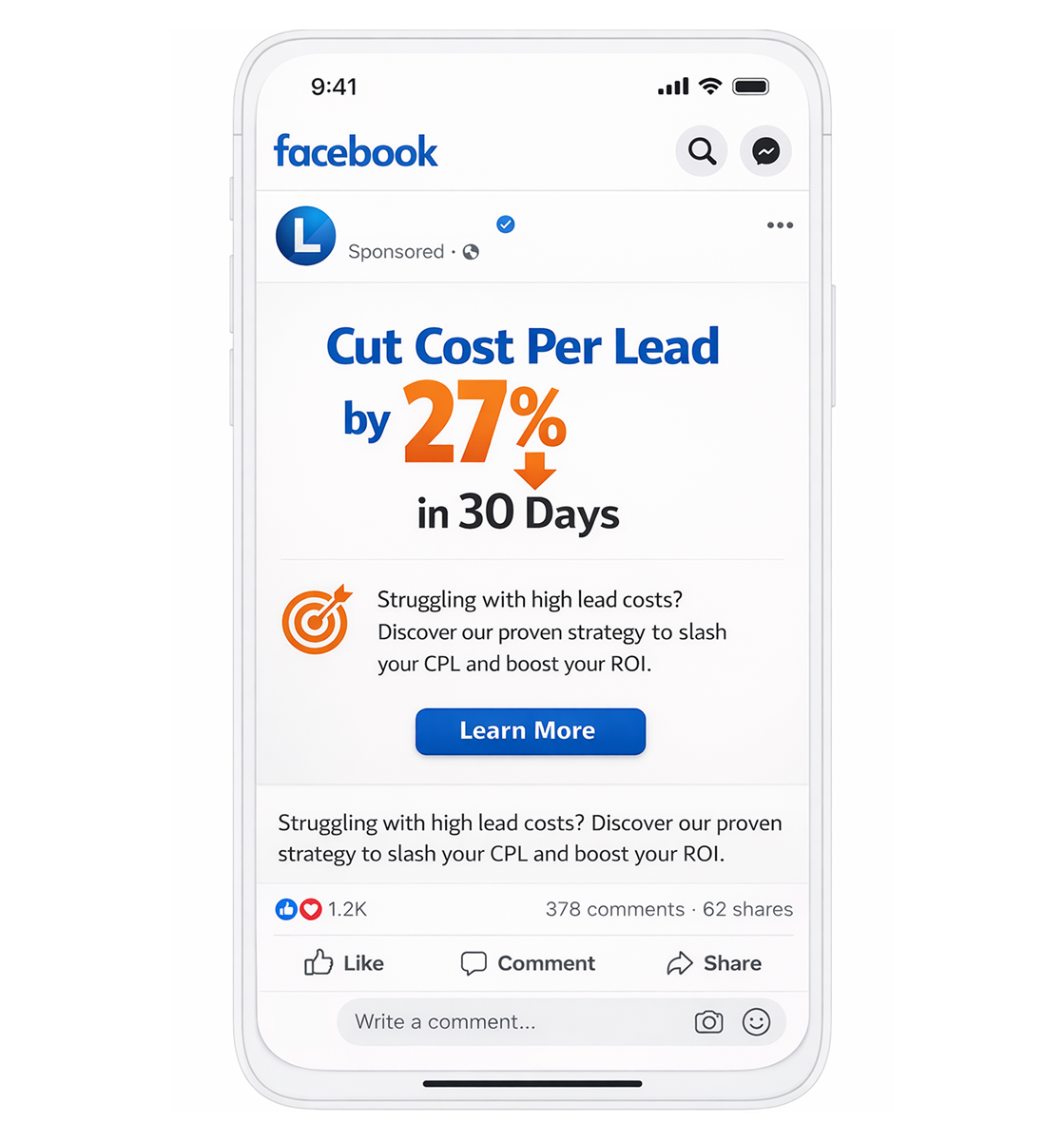
A static ad delivers the message instantly. No sound. No sequence. No waiting. Video asks for more attention. That extra effort often kills early engagement.
The First Seconds Matter More Than Production
Meta weighs early engagement heavily. If people skip your video quickly, delivery becomes less efficient.
Static ads avoid this drop-off curve. The offer is visible at once.
If you are testing hooks and creatives, apply the same logic used in A/B testing strategies for Facebook ads. Validate the core idea before investing in complex production.
Lower Cognitive Load Increases Clicks
Static ads are easier to process. The brain reads the headline and scans the visual in one glance. There is no narrative to decode.
Less mental effort often leads to higher click-through rates in cold audiences.
Video can dilute the core message when it includes:
-
Multiple scenes; the viewer has to follow changes instead of focusing on the offer.
-
Long intros; brand animations waste the most valuable seconds.
-
Too many arguments; more points create confusion, not clarity.
In performance campaigns, clarity beats complexity.
Auction Mechanics Favor Simplicity
Meta optimizes for expected action rate. Creatives that trigger fast signals get better delivery.
Static ads often produce quick clicks. That improves predicted performance. As a result, CPM can drop.
If you want to understand how structure affects delivery, review how the Facebook ad auction works. Creative influences auction outcomes more than most advertisers realize.
Video sometimes delays engagement. That delay weakens the algorithm’s confidence.
Simplicity Feels More Native
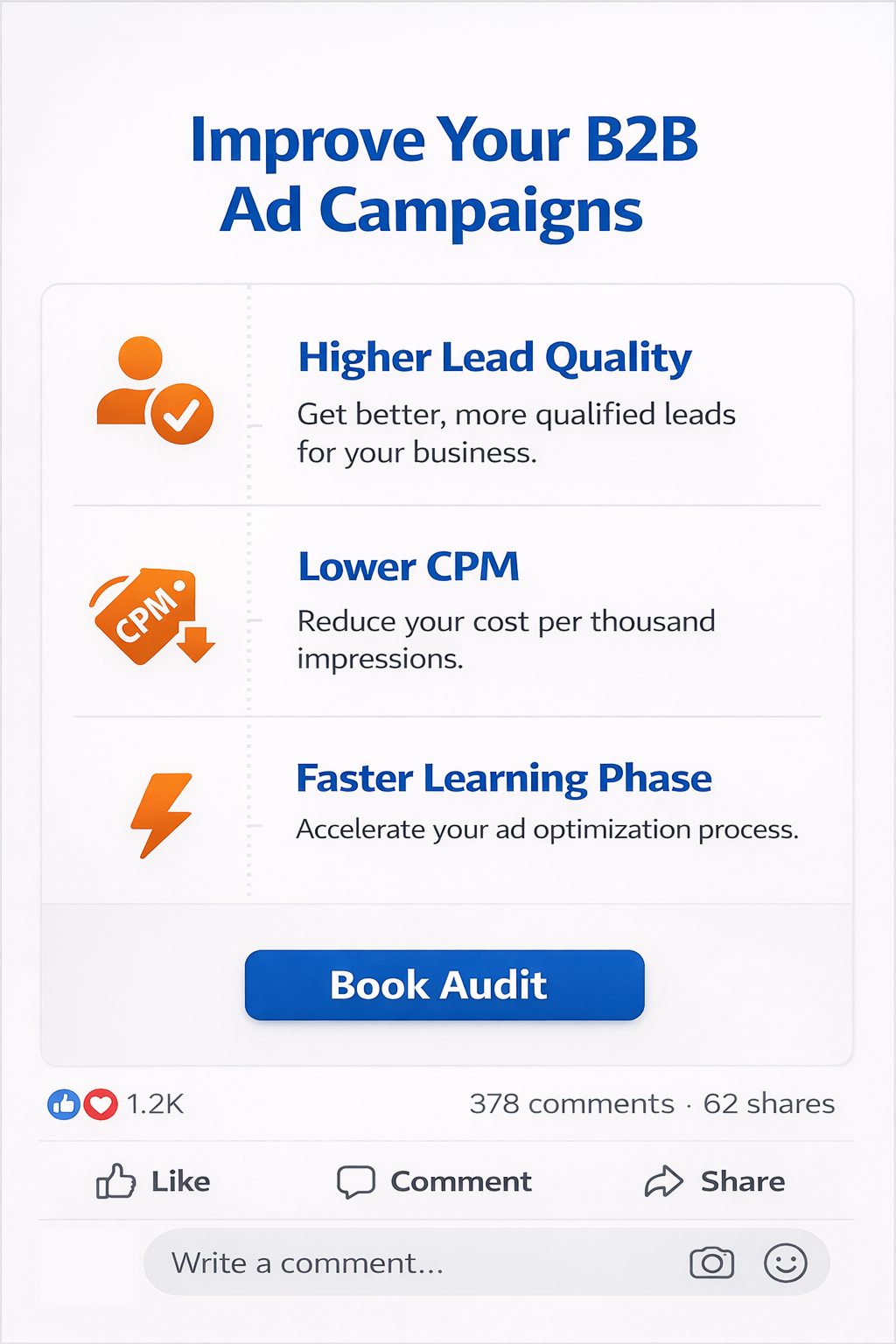
Highly produced videos can look like ads. Simple static images often blend into the feed. That reduces resistance.
Native-looking creative increases trust and curiosity.
This is similar to the principle behind designing Facebook ads that work without sound or motion. Ads must communicate even when users ignore audio and movement.
Static ads naturally follow that rule.
Production Bias Inside Teams
Video takes time and money. That creates attachment. Teams hesitate to pause an expensive asset.
Static ads are faster to create. That makes testing easier and more objective.
Here is what static enables:
-
Faster iteration; you can test five angles in days instead of weeks.
-
Cleaner data; one message per image makes results easier to interpret.
-
Lower emotional bias; it is easier to kill a simple image than a costly video.
Speed compounds into better performance over time.
Funnel Stage Matters
Static ads work especially well at the top of the funnel. Cold audiences need clarity, not storytelling.
In prospecting campaigns, static ads:
-
Present the value proposition immediately.
-
Reduce cognitive load for new users.
-
Generate quick engagement signals for the algorithm.
Video can perform better in retargeting. Warmer audiences tolerate longer explanations. They already recognize the brand.
Format should match intent, not internal preference.
When High-Production Video Still Wins
Video works better when the offer needs demonstration. It also helps when emotion is central to the sale.
Use video when you need:
-
Product walkthroughs; complex features require context.
-
Social proof; testimonials gain power through voice and expression.
-
Story-driven branding; narrative builds memory over time.
But never assume video will fix weak positioning. If a static version cannot convert, production alone will not save it.
How to Diagnose the Real Difference
When static beats video, look deeper than surface metrics.
Analyze:
-
Hook retention rate; video drop-off often explains weak delivery.
-
Time to first click; slower engagement hurts auction prediction.
-
Post-click conversion rate; sometimes video attracts less qualified traffic.
Always connect creative performance to revenue. For a practical framework, revisit these Facebook ad metrics that actually matter. CTR alone never tells the full story.
Final Takeaway
Static ads outperform high-production videos when speed, clarity, and signal strength matter most.
Before investing in expensive production, validate the message in a simple format. If the core idea works in static, then scale it into video.
In Meta advertising, simplicity often wins because it respects how people scroll and how the auction learns.