
Modern marketing teams operate across multiple channels, platforms, and touchpoints. Despite the abundance of data, many organizations still struggle to clearly connect marketing activities to revenue. This gap results in inefficient budget allocation, unclear ROI, and missed growth opportunities.
Closed-loop reporting systems solve this challenge by linking marketing data, sales outcomes, and customer behavior into a single feedback loop. The result is a system where every action can be measured, analyzed, and optimized based on real business impact.
According to Gartner, organizations that implement advanced marketing analytics are 1.5 times more likely to achieve above-average growth. Meanwhile, HubSpot reports that companies using closed-loop reporting see up to 20% improvement in marketing ROI.
What Is Closed-Loop Reporting?
Closed-loop reporting is a methodology that tracks a prospect’s journey from the first interaction through conversion and beyond. It integrates data from marketing platforms, CRM systems, and sales processes to create a unified view of performance.
In a closed-loop system:
-
Marketing activities are tied to leads and opportunities
-
Sales outcomes are fed back into marketing analytics
-
Campaign effectiveness is measured based on revenue, not just engagement
This creates a continuous optimization cycle where insights from conversions inform future campaigns.
Why Closed-Loop Reporting Matters
1. Accurate ROI Measurement
Traditional metrics like clicks and impressions provide limited insight into business impact. Closed-loop reporting connects these metrics to actual revenue, enabling precise ROI calculations.
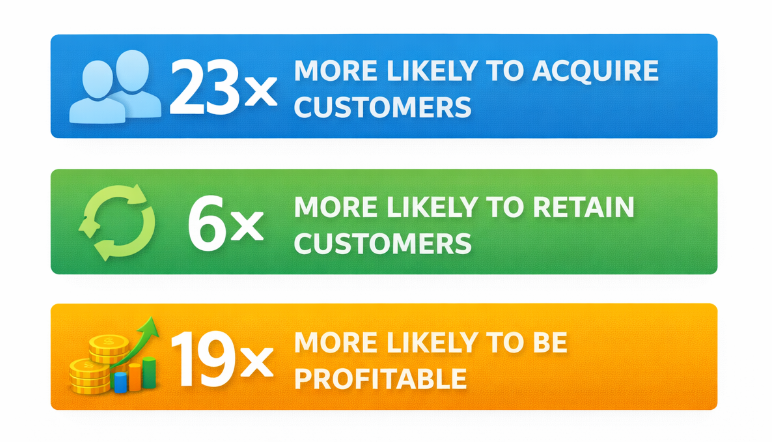
Data-driven organizations significantly outperform competitors in acquisition, retention, and profitability
Forrester research indicates that 74% of marketers struggle to demonstrate marketing’s impact on revenue. Closed-loop systems directly address this challenge.
2. Improved Lead Quality
By analyzing which channels and campaigns generate high-value customers, teams can refine targeting strategies. This leads to better-qualified leads and higher conversion rates.
Organizations that align marketing and sales data experience up to 36% higher customer retention rates, according to Aberdeen Group.
3. Smarter Budget Allocation
Closed-loop insights allow teams to identify top-performing channels and eliminate underperforming ones. This ensures marketing budgets are invested where they generate the highest return.
4. Faster Optimization Cycles
With real-time feedback, teams can quickly adjust campaigns based on performance data. This reduces wasted spend and accelerates growth.
Key Components of a Closed-Loop Reporting System
Data Integration
A successful system requires seamless integration between:
-
Marketing automation platforms
-
CRM systems
-
Advertising channels
-
Analytics tools
Data consistency and accuracy are critical. Disconnected systems lead to incomplete insights and unreliable reporting.
Lead Tracking and Attribution
Every interaction must be tracked and attributed correctly. This includes:
-
First-touch attribution
-
Multi-touch attribution
-
Conversion tracking
Multi-touch attribution models are particularly important, as 81% of buyers engage with multiple touchpoints before making a purchase (Google).
CRM Alignment
Sales data must be accurately recorded and synchronized with marketing systems. This ensures that revenue outcomes are properly attributed to marketing efforts.
Reporting and Dashboards
Clear, actionable reporting is essential. Dashboards should provide:
-
Revenue by channel
-
Cost per acquisition (CPA)
-
Customer lifetime value (CLV)
-
Conversion rates across the funnel
Steps to Build a Closed-Loop Reporting System
1. Define Clear Objectives
Start by identifying what you want to measure. Common goals include:
-
Revenue attribution
-
Lead quality improvement
-
Campaign performance optimization
2. Unify Data Sources
Integrate all relevant systems to ensure data flows seamlessly across platforms. This may involve API integrations, data warehouses, or middleware solutions.
3. Implement Tracking Infrastructure
Set up tracking mechanisms across all channels, including:
-
UTM parameters
-
Pixel tracking
-
Event tracking
Ensure consistency in naming conventions and data structures.
4. Align Marketing and Sales Teams
Closed-loop reporting requires strong collaboration between marketing and sales. Establish shared definitions for:
-
Leads
-
Opportunities
-
Conversions
Regular communication ensures data accuracy and alignment.
5. Choose the Right Attribution Model
Select an attribution model that reflects your sales cycle. Options include:
-
First-touch
-
Last-touch
-
Linear
-
Time-decay
-
Data-driven attribution
Each model provides different insights, so it may be beneficial to analyze multiple models.
6. Build Actionable Dashboards
Design dashboards that focus on decision-making rather than data overload. Highlight key metrics and trends that directly impact business outcomes.
7. Continuously Optimize
Closed-loop reporting is not a one-time implementation. Regularly review performance data, refine strategies, and improve system accuracy.
Common Challenges and How to Overcome Them
Data Silos
Disconnected systems prevent accurate reporting. Solve this by prioritizing integration and centralizing data storage.
Inconsistent Data
Differences in data formats and definitions can lead to errors. Establish standardized data governance practices.
Attribution Complexity
Multi-touch journeys can be difficult to analyze. Use advanced attribution models and analytics tools to improve accuracy.
Organizational Alignment
Lack of alignment between teams can undermine reporting efforts. Foster collaboration through shared goals and transparent communication.
Best Practices
-
Start with simple models and scale complexity over time
-
Focus on revenue-driven metrics rather than vanity metrics
-
Regularly audit data quality and system performance
-
Invest in automation to reduce manual errors
-
Use insights to drive strategic decisions, not just reporting
Conclusion
Closed-loop reporting systems transform how organizations measure and optimize marketing performance. By connecting data across the entire customer journey, businesses gain a clear understanding of what drives revenue.
As competition intensifies and marketing channels become more complex, the ability to make data-driven decisions is no longer optional. Implementing a closed-loop system provides the foundation for sustainable growth, improved efficiency, and stronger alignment between marketing and sales.
Recommended Reading
