Facebook remains one of the most powerful advertising ecosystems globally, with over 3 billion monthly active users. More than 1.8 billion people use Facebook Groups every month, and over 100 million users consider Groups a meaningful part of their online experience. For advertisers, niche Groups represent concentrated communities built around shared interests, industries, professions, and buying intent.
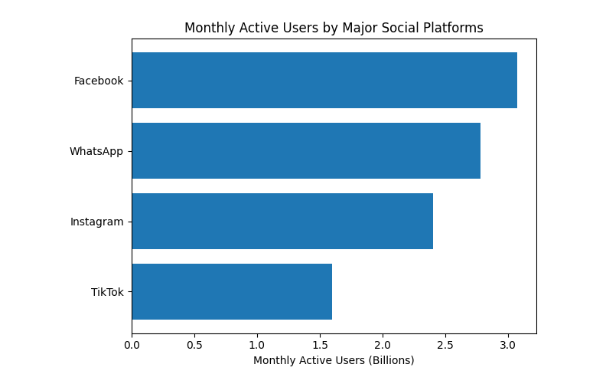
Global reach of major social platforms, showing Facebook’s 3.07 billion monthly active users
Although Facebook Ads does not allow direct targeting of specific Groups, advertisers can leverage advanced audience modeling, interest layering, behavioral segmentation, and first-party data to effectively reach members of highly specialized communities.
This article explains the technical framework and execution strategy required to target niche Facebook Group audiences using paid ads.
Why Niche Facebook Groups Matter for Advertisers
Niche Groups provide:
-
High intent concentration
-
Shared professional or personal interests
-
Active engagement rates significantly higher than general newsfeed content
-
Community-driven trust signals
According to Meta internal reporting, users who participate in Groups are more likely to engage with relevant content and ads compared to passive platform users. Engagement rates in active Groups can be up to 2–3x higher than standard page engagement benchmarks.
For B2B and specialized B2C campaigns, this creates a high-leverage opportunity when targeting is executed correctly.
The Core Limitation: You Cannot Directly Target a Facebook Group
Facebook Ads Manager does not provide a feature to directly select a specific Group as a targeting parameter. This is due to privacy restrictions and platform policy.
Instead, the strategy requires reverse-engineering the Group audience profile and building proxy targeting layers.
Step 1: Define the Audience Architecture
Begin with a structured audience analysis:
-
Primary industry or niche
-
Job titles and seniority levels
-
Pain points discussed in the Group
-
Frequently shared tools or software
-
Geographic concentration
-
Engagement behaviors
Extract recurring keywords, brands, influencers, and professional terminology used within the Group discussions. These become targeting signals.
Step 2: Use Interest Stacking and Narrowing
Inside Ads Manager:
-
Start with a broad core interest relevant to the niche.
-
Layer additional interests using “Narrow audience.”
-
Add job titles, employers, or industry filters where applicable.
-
Exclude irrelevant segments to refine precision.
For example, instead of targeting “Marketing” broadly, narrow by:
-
Digital marketing
-
B2B marketing
-
SaaS marketing
-
Specific marketing software tools
Layering 3–5 tightly correlated interests significantly improves relevance scoring.
Step 3: Leverage First-Party and Lookalike Data
If you already have:
-
Email databases
-
CRM contacts
-
Website visitors
-
Engaged social audiences
Upload these as Custom Audiences and build Lookalike Audiences (1–3%).
Lookalike Audiences remain one of the highest-performing targeting tools. Campaigns using lookalikes typically show 20–30% lower cost per acquisition compared to cold interest-based audiences when seed data quality is strong.
Step 4: Behavioral and Engagement Targeting
Combine interest targeting with behavior filters such as:
-
Engaged shoppers
-
Business page admins
-
Frequent online buyers
-
Technology early adopters
This improves intent alignment beyond static interest signals.
Step 5: Creative Alignment With Group Culture
Targeting alone is insufficient. Creative must reflect:
-
The language used in the community
-
The pain points frequently discussed
-
The knowledge level of members
Ads that mirror community tone see significantly higher CTR. Industry data shows that message-to-market alignment can improve click-through rates by 30–50% compared to generic messaging.
Step 6: Run Structured A/B Testing
Test variations of:
-
Interest stacks
-
Creative angles
-
Ad formats (video vs static)
-
Hooks aligned with Group conversations
Allow each ad set to reach statistical significance before optimization decisions. Avoid premature scaling.
Step 7: Monitor Relevance and Conversion Signals
Key metrics to track:
-
CTR (aim for 1.5%+ in most niches)
-
Cost per landing page view
-
Conversion rate
-
Cost per acquisition
-
Frequency (avoid ad fatigue above 3–4)
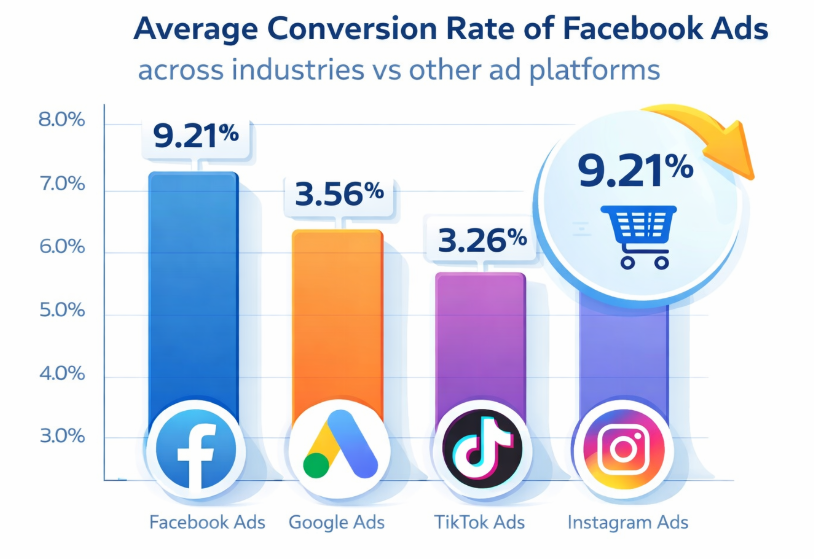
Average conversion rate of Facebook ads across industries, useful for benchmarking niche campaign performance
High-performing niche-targeted campaigns often produce conversion rates 2x higher than broad campaigns due to audience specificity.
Compliance and Ethical Considerations
Do not:
-
Imply endorsement from a specific Group
-
Use Group names in ads without permission
-
Scrape or misuse member data
Instead, build targeting based on legitimate interest signals and first-party data.
Advanced Strategy: Funnel Sequencing
To maximize ROI:
-
Launch awareness ads targeting stacked interest audiences.
-
Retarget video viewers (25–50%).
-
Retarget landing page visitors.
-
Convert with high-intent offer ads.
Sequential retargeting campaigns often reduce CPA by 25–40% compared to single-layer campaigns.
Common Mistakes to Avoid
-
Targeting too broadly
-
Using only one interest
-
Ignoring exclusions
-
Scaling before data maturity
-
Misaligned creative tone
Precision targeting requires structural discipline.
Final Thoughts
While Facebook does not allow direct Group targeting, sophisticated advertisers can replicate Group audience profiles through layered interest modeling, first-party data integration, behavioral filters, and culturally aligned creatives.
When executed methodically, niche audience targeting provides higher engagement, stronger conversion rates, and more efficient ad spend allocation.
Recommended Reading
By applying structured audience architecture and disciplined optimization, advertisers can consistently penetrate specialized communities and convert high-intent users at scale.