Modern B2B prospecting is no longer limited by outreach tactics — it is limited by data quality, data coverage, and data intelligence. According to Gartner, poor data quality costs organizations an average of $12.9 million per year. Meanwhile, research from Forrester shows that organizations leveraging data-driven marketing are 58% more likely to exceed revenue goals.
The competitive advantage today lies in building strong data partnerships that expand visibility into target accounts, enrich prospect profiles, and enable precise segmentation.
This article explores how to build high-impact data partnerships that directly improve prospecting results.
Why Data Partnerships Matter in Prospecting
Prospecting effectiveness depends on three primary data pillars:
-
Coverage – Access to comprehensive contact and company records.
-
Accuracy – Up-to-date, validated, and verified information.
-
Depth – Technographic, firmographic, and intent-based insights.
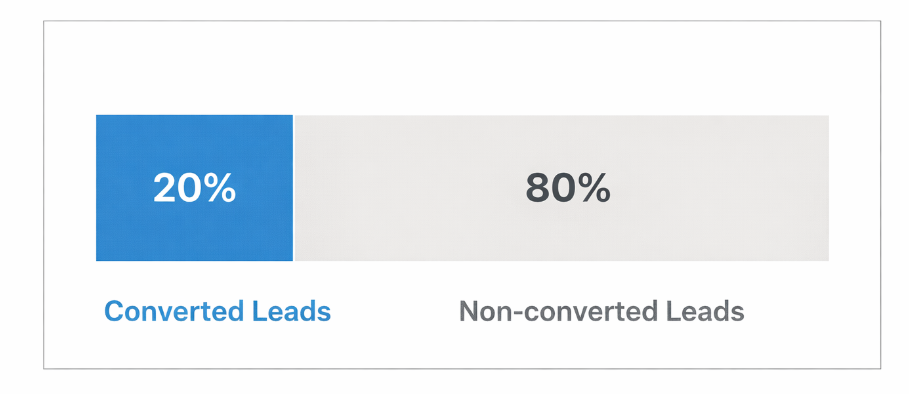
Only 20% of generated leads convert into sales — underscoring the need for higher-quality prospecting data
Studies show that sales teams spend up to 40% of their time searching for or validating prospect data instead of selling. Incomplete or inaccurate data results in:
-
Lower email deliverability
-
Reduced connect rates
-
Longer sales cycles
-
Higher cost per opportunity
Data partnerships mitigate these risks by integrating complementary datasets that enhance prospecting precision.
Types of Data Partnerships That Drive Results
1. Enrichment Partnerships
Enrichment partnerships provide additional attributes to existing records — such as revenue range, headcount, industry classification, technology stack, or buying intent.
Companies using enriched datasets report up to 30% higher conversion rates compared to non-enriched outreach campaigns.
Key benefit: Better segmentation and personalized messaging.
2. Intent Data Collaborations
Intent data identifies companies actively researching specific products or topics. According to Aberdeen, organizations using intent data experience 2x higher sales acceptance rates.
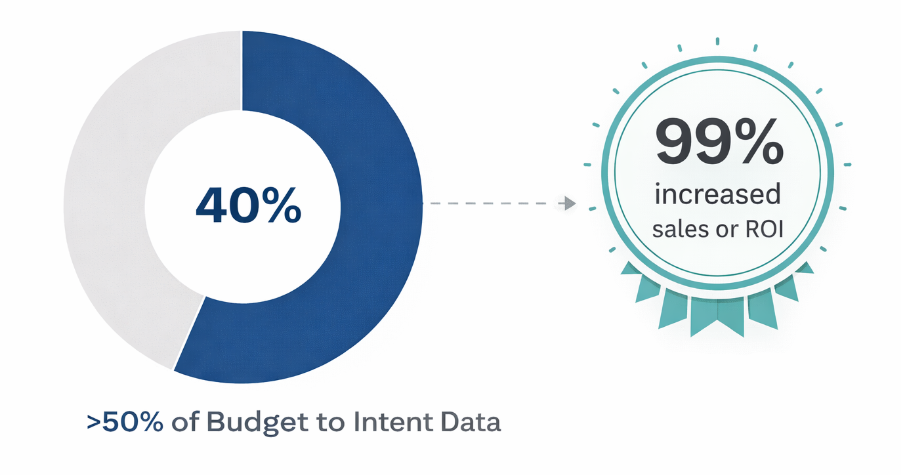
Nearly 40% of businesses invest over half of their budget in intent data, and almost all report increased sales or ROI
Intent partnerships allow prospecting teams to:
-
Prioritize in-market accounts
-
Trigger timely outreach
-
Reduce wasted effort on low-probability leads
Key benefit: Higher pipeline velocity and improved win rates.
3. Technographic and Signal-Based Integrations
Technology stack insights and behavioral signals enable targeting based on compatibility and trigger events (e.g., funding rounds, hiring spikes, product launches).
Research indicates that signal-based outreach can increase reply rates by 20–40% when messaging aligns with real-time business events.
Key benefit: Context-driven engagement.
How to Evaluate a Data Partner
Not all data partnerships deliver measurable ROI. A structured evaluation process is essential.
1. Data Freshness
-
What is the update frequency?
-
How are changes validated?
-
Is there a decay model for outdated records?
2. Coverage Relevance
-
Does the dataset align with your ICP (industry, region, company size)?
-
Are decision-makers identifiable at scale?
3. Compliance & Governance
-
Is the data sourced ethically?
-
Does it comply with GDPR, CCPA, and regional privacy regulations?
4. Integration Capability
-
Does it integrate with your CRM and marketing automation systems?
-
Is there API access for automation workflows?
Organizations that standardize partner evaluation reduce integration failures by over 35%.
Building a Data Partnership Strategy
A successful data partnership is not transactional — it is operational.
Step 1: Define Prospecting Gaps
Identify where prospecting breaks down:
-
Low reply rates?
-
High bounce rates?
-
Poor segmentation?
-
Slow sales cycles?
Quantify baseline metrics before integration.
Step 2: Layer Data Strategically
Rather than replacing your database, layer complementary datasets:
-
Core firmographics
-
Enrichment attributes
-
Intent signals
-
Real-time triggers
This layered approach increases targeting precision while maintaining scalability.
Step 3: Measure Revenue Impact
Track metrics beyond open rates:
-
SQL conversion rate
-
Pipeline value per rep
-
Cost per qualified opportunity
-
Revenue influenced by enriched data
Companies that connect data initiatives to revenue metrics are 3x more likely to scale prospecting successfully.
Common Pitfalls to Avoid
-
Overlapping datasets without deduplication
-
Focusing on volume over relevance
-
Ignoring data decay
-
Failing to align marketing and sales usage
Data partnerships should increase signal-to-noise ratio — not expand database clutter.
The Competitive Edge of Data Ecosystems
High-performing prospecting teams operate within data ecosystems rather than isolated databases. By integrating multiple specialized data sources, organizations create a dynamic targeting engine that adapts to market behavior.
According to McKinsey, companies that leverage advanced data collaboration outperform competitors by 20% in sales growth.
In a crowded B2B landscape, precision is the differentiator.
Conclusion
Building data partnerships is no longer optional — it is foundational to scalable prospecting.
When structured strategically, data collaborations:
-
Increase lead quality
-
Improve conversion rates
-
Reduce wasted outreach
-
Accelerate pipeline generation
Organizations that invest in data partnerships today position themselves for predictable, high-performance prospecting tomorrow.
Recommended Reading
To deepen your understanding of advanced prospecting strategies, explore these additional resources:
Each article expands on the tactical frameworks discussed above and provides additional actionable insights for data-driven growth.