Today, creators of all sizes can turn engaged audiences into predictable revenue streams using structured audience segmentation, data-driven outreach, and performance tracking. This guide explains how.
The Monetization Opportunity on Instagram
Instagram remains one of the most commercially active social platforms. With over 2 billion monthly active users globally, it offers direct access to highly targeted consumer segments. According to industry benchmarks, 61% of consumers trust influencer recommendations, and engagement rates on Instagram average 1.9% across industries, with micro-influencers often exceeding 3–4%.
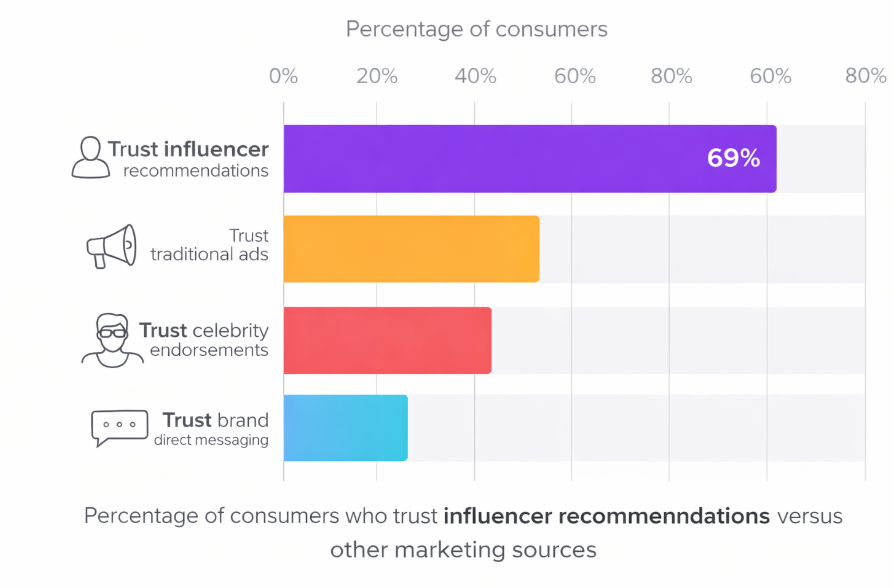
Percentage of consumers who trust influencer recommendations versus other marketing sources
For creators, this translates into leverage. An engaged follower base is not just social proof; it is a monetizable asset.
Core Monetization Models
1. Sponsored Content Partnerships
Brand collaborations remain the primary revenue source for many creators. Compensation typically depends on:
-
Follower count
-
Engagement rate
-
Audience demographics
-
Niche specificity
Micro-influencers (10,000–50,000 followers) often command higher engagement rates than macro accounts, making them attractive to performance-driven brands. Studies show that brands see up to 60% higher engagement from micro-influencers compared to celebrity influencers.
To maximize sponsored revenue:
-
Maintain a consistent content niche
-
Document engagement metrics
-
Segment followers by interests and location
-
Offer performance-based pricing tiers
2. Affiliate Marketing
Affiliate monetization converts trust into commission-based revenue. Influencers earn a percentage of each sale generated through unique tracking links or codes.
Affiliate campaigns often yield conversion rates between 1–5% depending on niche and audience quality. With proper audience segmentation, creators can promote offers aligned precisely with follower interests, significantly improving conversion efficiency.
Key optimization strategies include:
-
Promoting products aligned with audience behavior
-
Testing multiple calls-to-action
-
Tracking click-through and purchase data
-
Retargeting engaged followers
3. Selling Digital Products
Creators increasingly monetize through proprietary assets such as:
-
Online courses
-
E-books
-
Exclusive memberships
-
Templates and presets
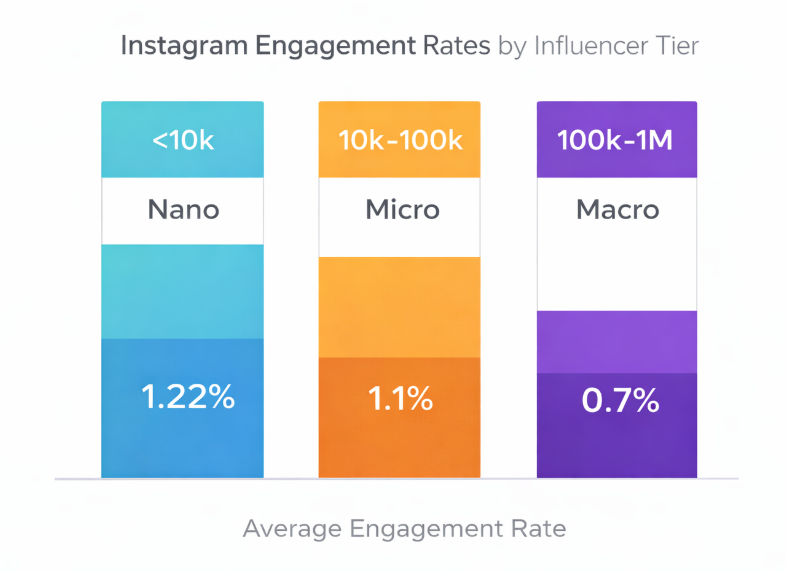
Instagram engagement rate benchmarks by follower tier — smaller audiences often yield stronger interaction
Digital product margins typically exceed 70–90%, making them highly scalable. Unlike brand deals, revenue is not capped by sponsorship frequency.
Audience insights are critical. By analyzing follower engagement patterns, creators can identify high-intent segments and tailor product offers accordingly.
4. Paid Subscriptions and Community Access
Subscription-based models provide recurring income. Instagram’s subscription tools and external gated communities allow creators to offer:
-
Exclusive live sessions
-
Private content
-
Direct messaging access
Recurring revenue improves income stability and increases lifetime audience value. Even if only 2–5% of followers convert to paid subscribers, recurring billing significantly amplifies monthly revenue.
5. Lead Generation and Audience Licensing
Beyond direct monetization, influencers can monetize their audiences by generating qualified leads for brands. This model is especially effective in B2B, SaaS, coaching, and local service niches.
Audience segmentation improves lead quality. When followers are categorized by industry, role, or behavioral signals, outreach becomes more precise and conversion rates improve.
Data-driven targeting can increase campaign response rates by 20–40% compared to generic audience blasts.
Audience Segmentation as a Revenue Multiplier
Monetization efficiency depends on understanding audience composition.
Creators should analyze:
-
Geographic distribution
-
Gender and age clusters
-
Behavioral engagement patterns
-
Content interaction frequency
Segmented campaigns consistently outperform broad messaging. Research indicates personalized marketing messages improve conversion rates by up to 80% compared to non-personalized campaigns.
For influencers, segmentation enables:
-
Higher sponsorship pricing
-
More accurate affiliate offers
-
Better product-market fit
-
Improved campaign ROI reporting
Pricing Strategies for Sustainable Growth
Revenue scaling requires structured pricing rather than arbitrary rate cards.
Consider implementing:
-
Tiered sponsorship packages
-
Performance bonuses
-
Retainer-based brand contracts
-
Bundled cross-platform campaigns
Creators who present measurable audience data and projected ROI often command 30–50% higher fees than those relying solely on follower count.
Analytics and Performance Tracking
Monetization without analytics leads to inconsistent revenue.
Track:
-
Engagement rate per post
-
Click-through rate
-
Conversion rate
-
Revenue per follower
-
Audience growth velocity
Top-performing creators treat their Instagram account as a performance marketing channel rather than a personal profile.
Long-Term Monetization Strategy
Sustainable monetization requires:
-
Niche authority positioning
-
Audience trust maintenance
-
Consistent value-driven content
-
Data-backed optimization
The goal is not simply to monetize attention, but to build a scalable audience asset that generates diversified revenue streams.
Conclusion
Instagram follower audiences represent measurable commercial value. Influencers and creators who apply structured segmentation, strategic partnerships, and performance tracking can transform engagement into predictable income. By diversifying revenue models and leveraging audience insights, monetization becomes systematic rather than opportunistic.