Instagram remains one of the most influential social media platforms for consumer discovery and brand engagement. With more than 2 billion monthly active users globally, it provides access to highly engaged communities across virtually every niche. However, the platform’s native advertising tools do not allow direct targeting of another account’s followers.
This creates a strategic gap. Consider the following data points:
-
Over 70% of shoppers use Instagram for product discovery.
-
More than 50% of users follow at least one business account.
-
Engagement rates for niche-focused accounts can exceed 3%, compared to sub-1% averages for broad audiences.
These figures indicate that Instagram followers represent high-intent segments. The challenge lies in activating them within a structured advertising framework.
The Core Concept: Turning Followers into Ad Audiences
The system works by extracting publicly available marketing data from Instagram accounts and Facebook groups, organizing it into structured audience segments, and preparing those segments for activation inside Facebook Ads.
Instead of relying on demographic assumptions or generic interests, advertisers can:
-
Target followers of a specific Instagram account
-
Target members of a particular Facebook group
-
Include users who demonstrate activity within a page or group
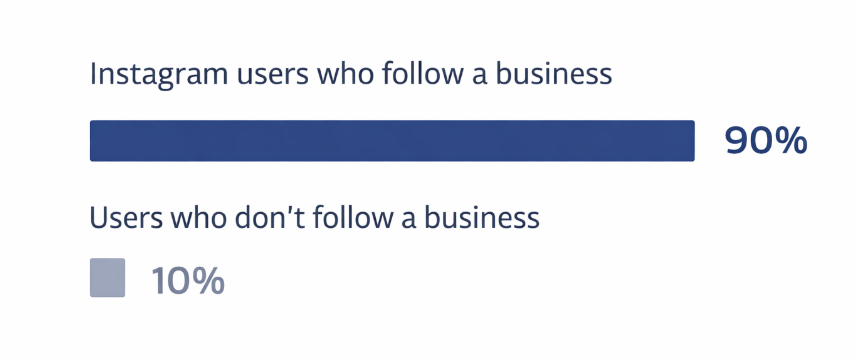
Percentage of Instagram Users Who Follow at Least One Business Profile.
These segments are then shared directly with a connected Facebook Ad Account within Facebook Business Manager, making them immediately usable for campaign deployment.
How the Process Works
1. Select the Instagram Account or Facebook Group
Marketers begin by identifying a relevant Instagram profile or Facebook group. This could be:
-
A competitor’s account
-
An influencer within the niche
-
A community focused on a specific interest
-
A brand with an overlapping target audience
2. Generate a Custom Audience
The platform processes publicly available engagement and follower data to build a structured audience. Instead of broad targeting such as “fitness” or “entrepreneurship,” advertisers gain access to a defined segment of users who have already expressed interest through follows or interactions.
3. Share with Facebook Ad Account
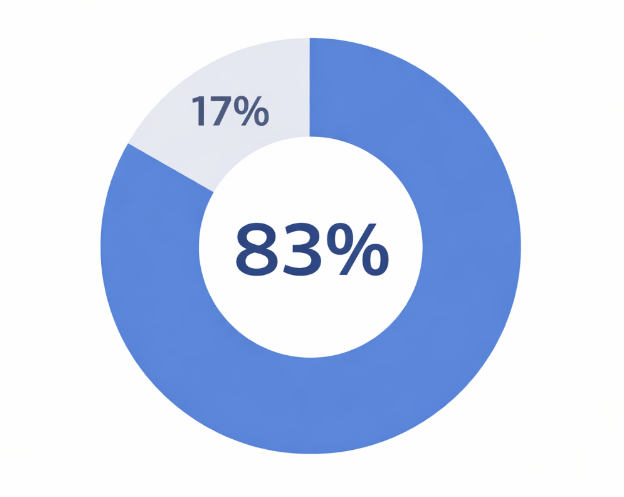
Share of Consumers Who Use Instagram to Discover New Products or Services
The generated audience is transferred to a Facebook Ad Account associated with Facebook Business Manager. From there, it can be used in:
-
Prospecting campaigns
-
Competitor-conquest campaigns
-
Niche expansion strategies
-
Lookalike audience creation
Strategic Advantages Over Traditional Targeting
Traditional interest targeting often results in diluted audiences. When advertisers select broad interest categories, overlap can reduce campaign precision and increase cost per acquisition.
By contrast, follower-based segmentation offers:
-
Higher intent signals
-
Narrower audience pools
-
Reduced guesswork in targeting
-
Improved relevance in ad messaging
In performance marketing benchmarks, highly segmented audiences frequently generate 20–40% higher click-through rates compared to broad interest sets. In many verticals, improved relevance also correlates with lower cost per conversion.
Use Cases Across Industries
E-commerce Brands
Target followers of competitor stores or niche influencers to capture buyers already interested in similar products.
SaaS and Digital Services
Reach followers of industry thought leaders or software providers to present alternative or complementary solutions.
Local Businesses
Engage followers of local community accounts or regional influencers to increase geographic relevance.
Agencies
Build repeatable audience frameworks for multiple clients operating within defined niches.
Enhancing Campaign Performance
To maximize effectiveness, advertisers should align creative strategy with audience origin. For example:
-
When targeting followers of a competitor, emphasize differentiation.
-
When targeting followers of an influencer, align tone and value proposition with that influencer’s positioning.
-
When targeting engaged users, use stronger calls to action due to demonstrated intent.
Combining these audiences with lookalike expansion can further scale campaigns while maintaining audience quality.
Compliance and Infrastructure Requirements
To activate generated audiences, the Facebook Ad Account must be connected to Facebook Business Manager. Proper configuration ensures seamless audience sharing and campaign execution.
Advertisers can explore the workflow through a free trial period, allowing them to evaluate audience generation and integration before committing to long-term implementation.
Conclusion
Targeting Instagram followers transforms passive social engagement into actionable advertising segments. By structuring follower and engagement data into deployable audiences, marketers gain precision, relevance, and measurable performance improvements.
For advertisers seeking to move beyond generic interest targeting, follower-based segmentation represents a more data-driven and strategic approach to paid social campaigns.