Hobby-based communities on Facebook represent some of the most engaged and loyal audience segments available to digital advertisers. From photography enthusiasts and fitness communities to DIY crafters and gaming groups, these users actively seek content, products, and services aligned with their interests.
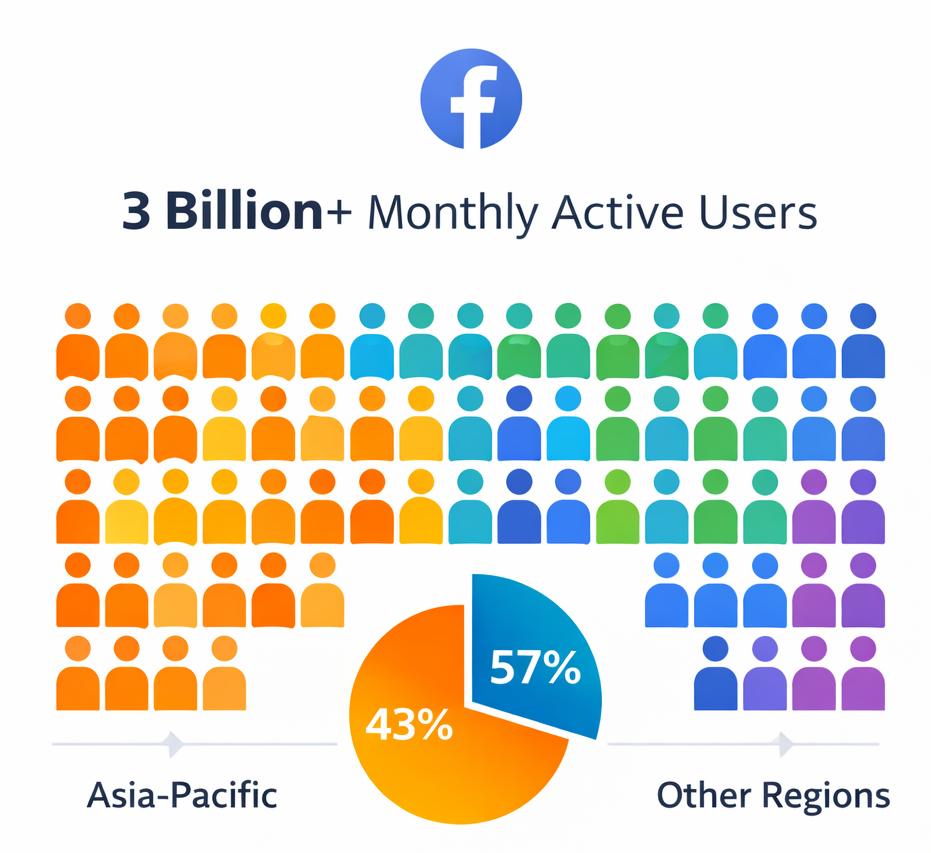
Facebook’s global monthly active user base — demonstrating the vast scale of potential hobby interest audiences advertisers can target
Facebook remains one of the most powerful advertising platforms globally, with over 3 billion monthly active users. According to Meta’s internal data, more than 1.8 billion people are members of Facebook Groups, and users who participate in groups are significantly more engaged than non-members. Additionally, interest-based targeting continues to drive strong results, with niche campaigns often producing click-through rates 20–40% higher than broad targeting campaigns.
Successfully advertising to hobby-based communities requires precision, relevance, and a clear understanding of how passion influences purchasing behavior.
Why Hobby-Based Audiences Convert Well
1. High Emotional Investment
Hobbies are tied to identity and lifestyle. Consumers are more willing to spend on products that enhance their skills, status, or enjoyment within a community.
2. Active Content Consumption
Hobbyists regularly engage with posts, tutorials, reviews, and recommendations. Engagement rates in niche communities can exceed 5%, compared to the average Facebook page engagement rate of approximately 0.07%.
3. Strong Word-of-Mouth Potential
Community-driven discussions accelerate social proof. A single positive recommendation inside a niche group can influence dozens or hundreds of members.
Step 1: Identify the Right Hobby Segments
Start with audience research. Use Facebook Ads Manager to explore interest targeting, behavioral segments, and group affiliations. Go beyond generic categories. Instead of targeting "fitness," narrow down to:
-
CrossFit competitors
-
Marathon runners
-
Home yoga practitioners
-
Powerlifting enthusiasts
Layer interests with demographics and behaviors such as:
-
Purchase behavior
-
Device usage
-
Online shopping frequency
-
Event participation
Creating tightly defined audience clusters increases relevance and reduces cost per acquisition.
Step 2: Analyze Community Language and Culture
Every hobby community has its own vocabulary, influencers, and norms. Study:
-
Frequently used terminology
-
Popular content formats
-
Leading voices and micro-influencers
-
Common pain points and goals
Ad copy and creative must reflect insider knowledge. Generic messaging significantly reduces performance in niche segments.
For example, advertising to amateur photographers requires referencing equipment types, shooting conditions, editing workflows, or technical specifications. Precision builds credibility.
Step 3: Design Hyper-Relevant Creative
Relevance is the primary performance driver in hobby-based advertising.
Creative Best Practices:
-
Show the hobby in action
-
Use authentic user-generated content styles
-
Demonstrate product application in real scenarios
-
Highlight transformation or skill improvement
Video content performs particularly well. According to Meta benchmarks, video ads can increase conversion rates by up to 34% compared to static formats when aligned with audience interests.
Carousel ads also work effectively for hobbyists because they allow step-by-step demonstrations, feature breakdowns, or before-and-after comparisons.
Step 4: Leverage Custom and Lookalike Audiences
If you already have customer data from hobby-based buyers, create Custom Audiences and build Lookalike Audiences.
Lookalike Audiences modeled on high-value customers often reduce acquisition costs by 20–30% compared to cold interest targeting.
For best results:
-
Segment customer lists by product category
-
Build separate Lookalikes for each hobby cluster
-
Test 1%, 2%, and 5% similarity ranges
Combining Lookalike targeting with layered interests often produces the most stable scaling results.
Step 5: Use Community-Centric Offers
Hobby audiences respond better to value-driven offers than generic discounts.
Effective approaches include:
-
Skill-building resources
-
Limited edition releases
-
Community-exclusive bundles
-
Early access opportunities
Framing the offer around improvement, mastery, or belonging typically outperforms price-focused messaging.
Step 6: Optimize Based on Engagement Signals
Monitor these key metrics:
-
Click-through rate (CTR)
-
Cost per click (CPC)
-
Cost per acquisition (CPA)
-
Engagement rate
-
Frequency
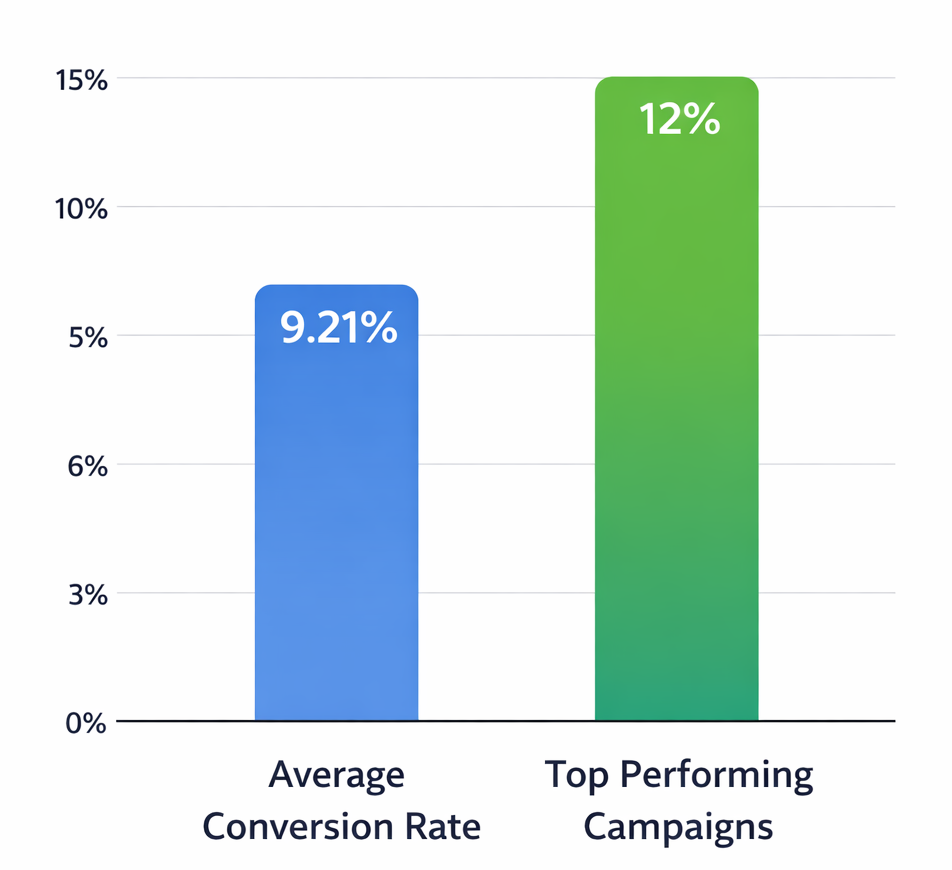
Average conversion rates for Facebook ads compared with top performing campaigns — showing how optimized, targeted campaigns often drive above-average conversion performance
High-performing hobby campaigns often show:
-
CTR above 1.5–2%
-
Strong comment activity
-
Higher-than-average video watch time
Retarget users who engage with video content or interact with ads. Retargeting warm hobby audiences can increase conversion rates by up to 70% compared to first-touch campaigns.
Step 7: Respect Community Guidelines
If engaging directly with Facebook Groups, always respect group rules. Avoid overt promotional behavior without permission. Focus on value contribution before monetization.
Organic authority within hobby groups strengthens paid campaign performance over time.
Common Mistakes to Avoid
-
Targeting interests that are too broad
-
Using generic ad creatives
-
Ignoring mobile-first optimization
-
Failing to segment hobby subcategories
-
Overexposing audiences and increasing frequency too quickly
Precision, authenticity, and consistent testing are essential.
Scaling Strategies for Niche Campaigns
Once a hobby-based campaign proves profitable:
-
Expand into adjacent sub-hobbies
-
Introduce complementary products
-
Test international markets with similar interest clusters
-
Build email capture funnels for long-term retention
Niche markets often scale horizontally rather than vertically. Instead of broadening one audience, replicate success across multiple specialized segments.
Conclusion
Advertising to hobby-based communities on Facebook is highly effective when executed with research-driven targeting and culturally aligned creative. Passion-driven audiences reward brands that understand their interests and contribute genuine value.
By combining precise segmentation, insider messaging, strong creative formats, and data-backed optimization, marketers can transform hobby communities into sustainable acquisition channels.