Facebook remains one of the largest social platforms globally, with more than 3 billion monthly active users. Over 1.8 billion people use Facebook Groups every month, and more than 100 million users describe Groups as a core part of their online experience. Industry-specific groups often gather thousands—or even hundreds of thousands—of professionals around a focused niche.
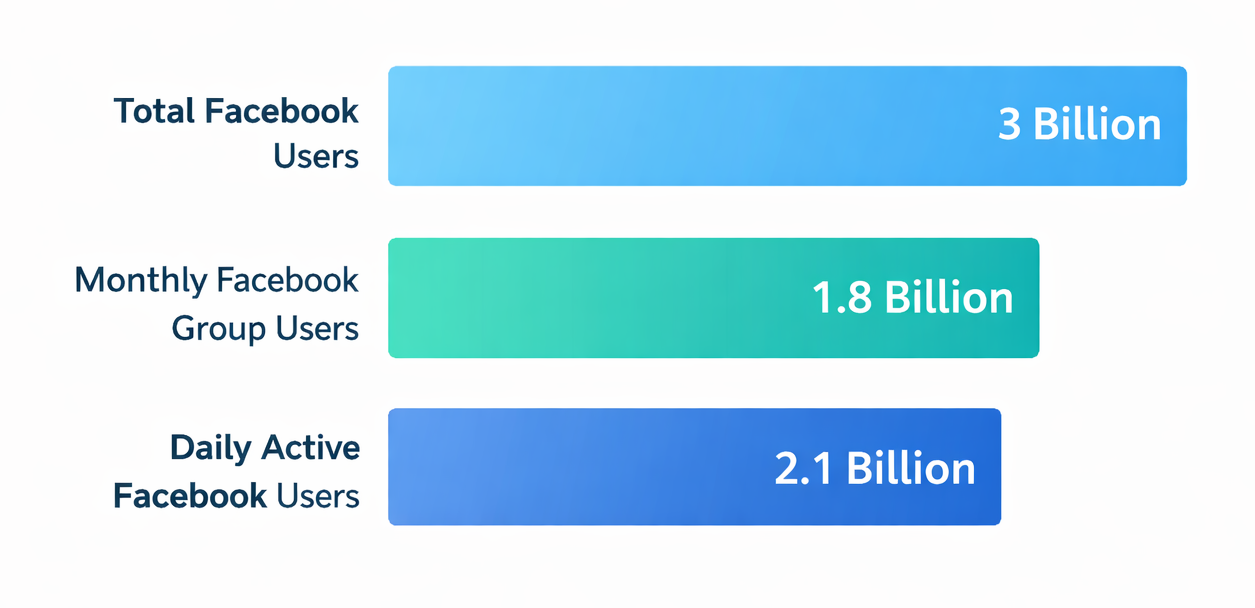
Monthly group activity highlights the scale of engagement available through Facebook communities
These communities offer three major advantages:
-
Highly targeted audiences based on profession, industry, or role.
-
Built-in engagement driven by shared interests.
-
Peer-to-peer trust that influences purchasing decisions.
According to industry surveys, over 70% of B2B buyers conduct independent research in online communities before contacting vendors. Being present where those conversations happen increases visibility and credibility.
Step 1: Identify High-Value Industry Groups
Not all groups deliver equal value. Prioritize communities that meet the following criteria:
-
Clear industry alignment with your target market.
-
Active moderation and consistent discussions.
-
Daily or weekly post frequency.
-
High engagement per post (comments and reactions).
Use relevant keywords such as job titles, technologies, certifications, or niche industry terms when searching for groups. Evaluate at least 10–20 groups before narrowing your focus to 3–5 primary communities.
Pro Tip: Groups with 5,000–50,000 members often provide stronger engagement ratios than very large groups exceeding 100,000 members.
Step 2: Understand Group Rules and Culture
Each group has its own policies regarding promotions, direct outreach, and content sharing. Violating rules can result in removal or reputation damage.
Review:
-
Posting guidelines.
-
Self-promotion limitations.
-
Restrictions on messaging members.
-
Administrator policies for sponsored posts.
Observe discussions for 1–2 weeks before posting. Note tone, recurring questions, and common challenges.
Step 3: Build Authority Before Outreach
Cold messaging group members without context is ineffective and often reported as spam. Instead, establish credibility through consistent value delivery.
Effective authority-building tactics include:
-
Answering technical or operational questions in detail.
-
Sharing original insights or data-backed observations.
-
Publishing case-based discussions rather than promotional posts.
-
Hosting Q&A threads when permitted.
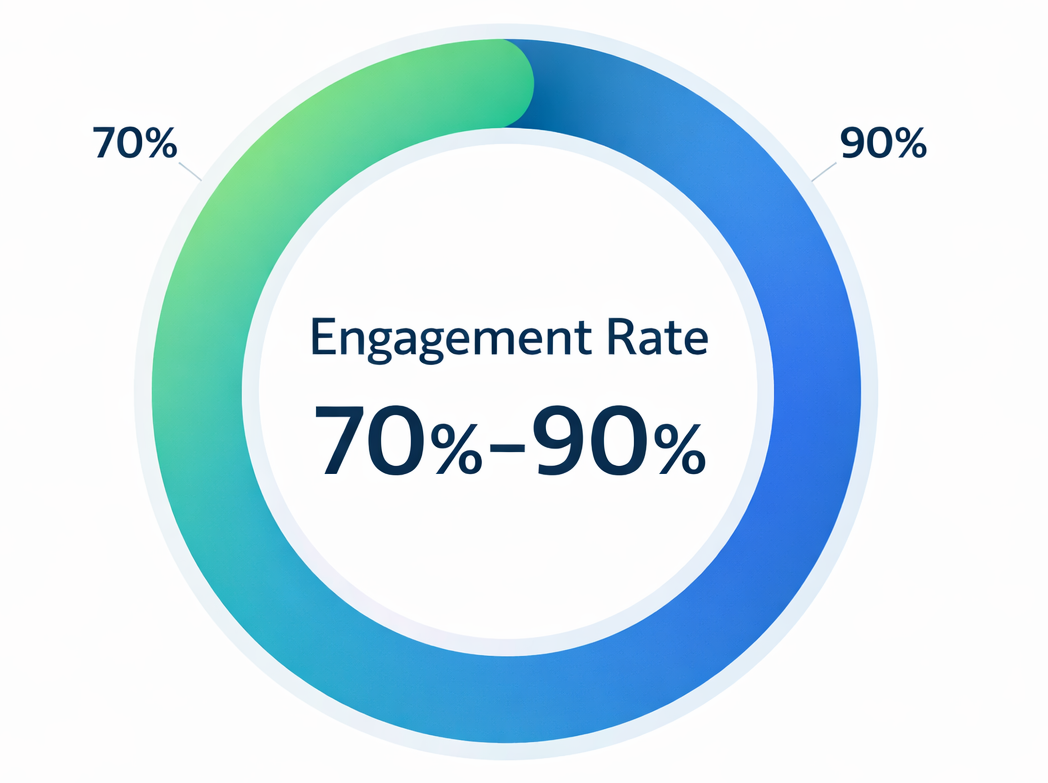
High engagement rates in active groups reflect the value of participating before outreach
Research shows that educational content generates 3x more engagement than promotional content in professional communities. When members recognize your expertise, outreach becomes warmer and conversion rates improve.
Step 4: Map and Segment Relevant Members
Industry groups often contain a mix of decision-makers, practitioners, consultants, and vendors. Identify:
-
Job titles that match your ideal customer profile.
-
Geographic regions relevant to your offering.
-
Companies frequently mentioned in discussions.
Create structured segmentation criteria before engaging directly. Precision targeting improves response rates and reduces wasted outreach.
Step 5: Use Value-Driven Direct Messaging
When group rules allow messaging, personalization is critical. Reference a recent comment, shared interest, or problem discussed in the group.
A strong outreach message should:
-
Acknowledge shared group membership.
-
Reference a specific discussion.
-
Offer a resource, insight, or relevant solution.
-
Avoid immediate sales pressure.
Professional outreach that references contextual engagement can increase reply rates by 30–50% compared to generic connection requests.
Step 6: Leverage Data to Scale Outreach
Manual outreach within groups is time-intensive. Data-driven workflows improve efficiency and consistency.
Consider processes that allow you to:
-
Extract structured professional data from group participants.
-
Enrich profiles with company and contact information.
-
Filter by industry, company size, or job role.
-
Maintain compliance with platform and data regulations.
When outreach is supported by verified data and segmentation, campaign ROI improves significantly. In B2B environments, targeted social outreach campaigns typically generate conversion rates between 5% and 15%, depending on industry and offer complexity.
Step 7: Combine Group Engagement with Multichannel Strategy
Facebook group outreach performs best when integrated with broader marketing efforts.
Effective combinations include:
-
Email follow-up after warm interaction.
-
Retargeting ads for engaged group participants.
-
LinkedIn connection requests referencing Facebook discussions.
-
Content remarketing for visitors driven from group interactions.
A coordinated multichannel strategy increases touchpoints and builds familiarity, which shortens sales cycles.
Common Mistakes to Avoid
-
Posting overt promotional links without context.
-
Messaging large numbers of members without personalization.
-
Ignoring compliance and privacy considerations.
-
Failing to track outreach metrics.
-
Abandoning groups after initial engagement.
Consistency and professionalism are essential for long-term results.
Measuring Success
Track the following metrics:
-
Engagement rate on group posts.
-
Response rate to direct messages.
-
Conversion rate to meetings or demos.
-
Cost per qualified lead.
-
Time-to-conversion.
Benchmark results quarterly to optimize targeting and messaging. Continuous improvement can increase campaign performance by 20–40% over time.
Final Thoughts
Industry-specific Facebook groups represent concentrated ecosystems of professionals actively discussing real business challenges. When approached strategically—with compliance, authority-building, segmentation, and data-backed outreach—they become powerful channels for lead generation and relationship development.
Success depends on value-first engagement, disciplined targeting, and consistent follow-through. When executed correctly, group-based outreach can evolve from casual participation into a scalable acquisition channel.