Automation has become a cornerstone of modern digital marketing. From audience segmentation to bid management and campaign optimization, automated systems promise speed, efficiency, and scalability. Yet, as powerful as automation is, relying on it blindly can lead to wasted budgets, poor targeting, and missed strategic opportunities.
The most effective marketing teams don’t choose between automation or manual control—they blend both. Understanding where automation excels and where human judgment is essential is the key to building campaigns that perform consistently over time.
Where Automation Delivers the Most Value
1. Data Processing at Scale
Automation shines when it comes to handling massive datasets. Algorithms can analyze thousands of signals—behavior, demographics, engagement patterns—far faster than any human team.
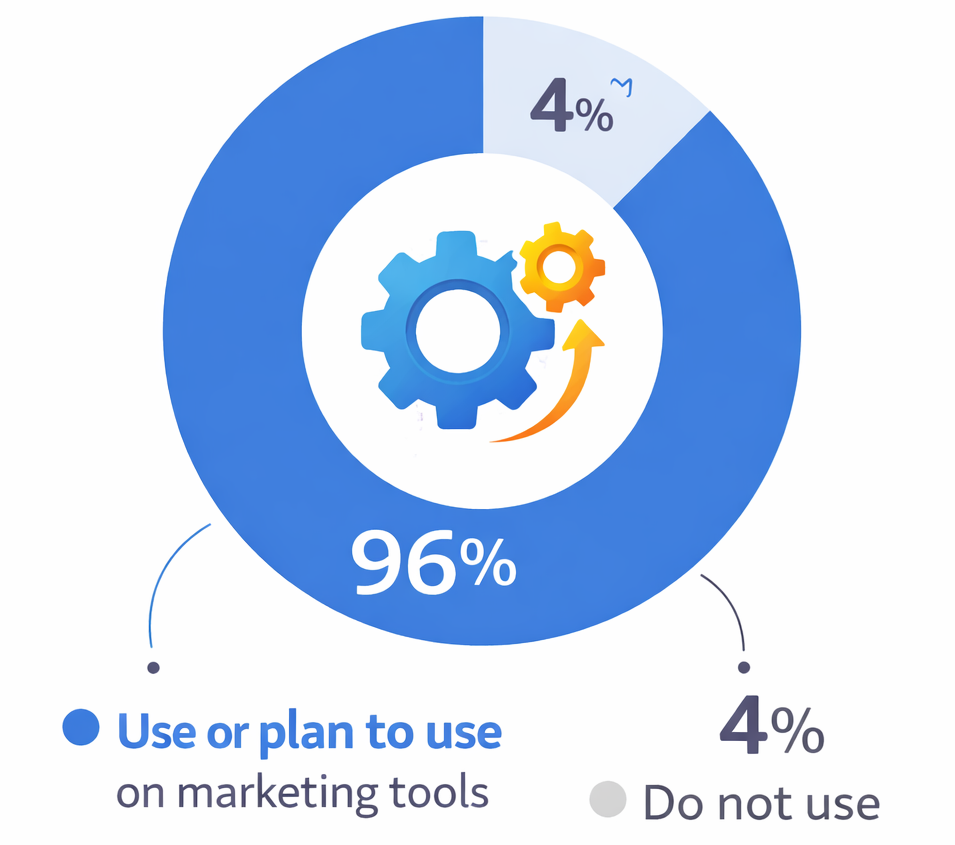
Percentage of marketers who currently use or plan to use marketing automation tools
According to industry research, marketers using automated audience optimization report up to 30–40% improvements in campaign efficiency compared to fully manual setups. This advantage becomes even more pronounced as data volume increases.
2. Repetitive and Time-Sensitive Tasks
Tasks such as budget pacing, bid adjustments, and frequency control are ideal for automation. These processes require constant monitoring and quick reactions, making them inefficient and error-prone when handled manually.
A recent survey found that over 60% of marketers save at least 5 hours per week by automating routine campaign management tasks—time that can be redirected toward strategy and creative development.
3. Performance-Based Optimization
Automated systems excel at optimizing toward clearly defined goals like cost per lead, return on ad spend, or conversion volume. When objectives are precise and data quality is high, automation can outperform manual decision-making.
Where Manual Control Still Matters
1. Strategic Direction and Goal Setting
Automation can optimize how a campaign runs, but it cannot decide why it exists. Defining campaign objectives, choosing target markets, and aligning marketing efforts with broader business goals require human judgment.
Without clear strategic input, automated systems may optimize toward short-term metrics while ignoring long-term growth or brand impact.
2. Audience Logic and Quality Control
While automation can build and scale audiences, manual oversight is critical for ensuring relevance and accuracy. Poor input data or overly broad audience definitions can cause automated systems to drift away from high-intent users.
Studies show that campaigns with regular manual audience reviews achieve 20–25% higher conversion rates than those left on full autopilot for extended periods.
3. Creative and Messaging Decisions
No algorithm truly understands context, nuance, or emotional resonance. Humans remain essential for crafting messaging, evaluating creative performance, and identifying when a campaign needs a conceptual shift rather than a technical adjustment.
Finding the Right Balance
Start with Automation, Add Guardrails
Use automation as a foundation, but define clear boundaries. Set performance thresholds, budget limits, and audience rules that prevent systems from making counterproductive decisions.
Schedule Manual Review Cycles
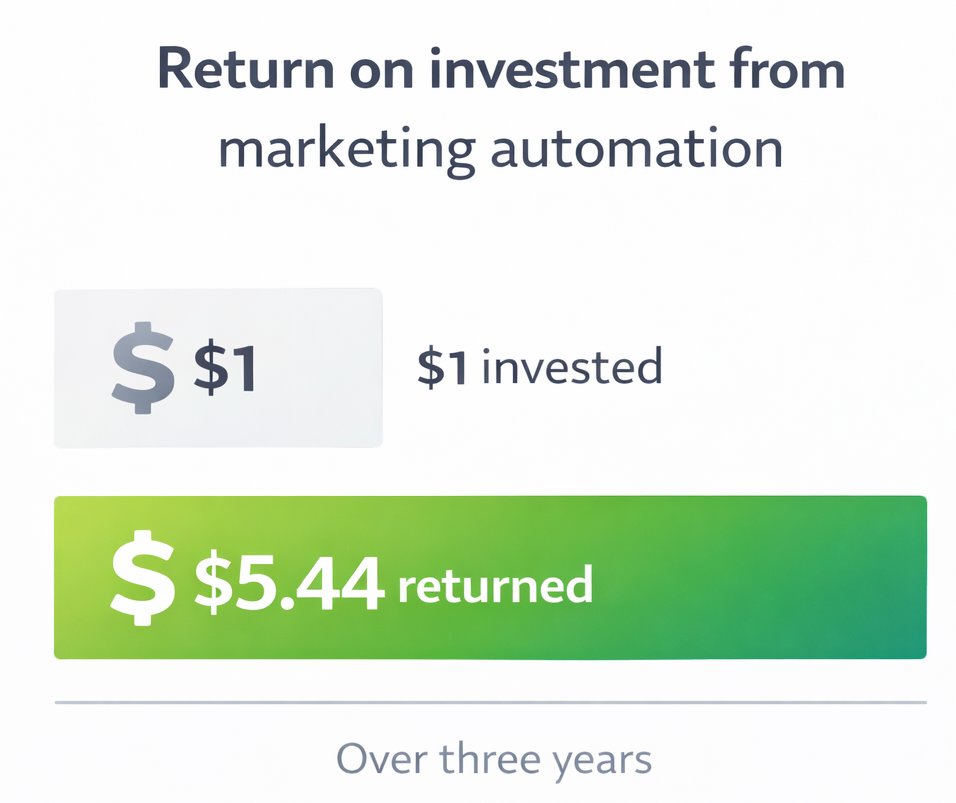
Average return on investment from marketing automation: $5.44 for every $1 spent
High-performing teams review automated campaigns on a fixed schedule—weekly or bi-weekly. This ensures that insights are captured, anomalies are corrected, and strategic adjustments are made before performance declines.
Use Automation for Execution, Humans for Insight
Let automation handle execution and optimization, while humans focus on interpreting results and deciding next steps. This division of labor maximizes both speed and intelligence.
Organizations that combine automated execution with manual strategy report up to 35% higher return on ad spend compared to teams relying on automation alone.
Common Mistakes to Avoid
-
Over-automation without oversight: Leads to misaligned targeting and budget waste.
-
Manual micromanagement: Prevents systems from learning and adapting efficiently.
-
Ignoring data quality: Automation amplifies both good and bad inputs.
Balancing control isn’t about doing less or more—it’s about doing the right things manually and letting systems handle the rest.
Recommended Articles to Continue Reading
To deepen your understanding of modern audience targeting and campaign optimization, consider exploring these related articles:
Conclusion
Automation is no longer optional in digital marketing—but neither is human control. The strongest campaigns are built on automated systems guided by clear strategy, consistent oversight, and informed decision-making.
By thoughtfully balancing automation and manual control, marketers can unlock scalability without sacrificing precision, creativity, or long-term performance.