A high-intent ad targets users who show clear signals of readiness to take action. These signals may include recent searches, content interactions, group activity, or repeated engagement with a specific topic. Unlike broad awareness ads, high-intent ads are built for conversion, not exposure.
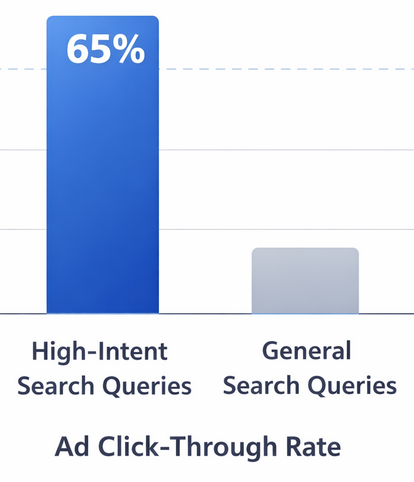
Comparison of ad click-through rates from high-intent searches versus general search traffic
Intent is not a guess—it is inferred from behavior. When users actively seek solutions, compare options, or engage with niche communities, they demonstrate intent that can be reflected in how ads are structured and who they are shown to.
Why High-Intent Ads Perform Better
High-intent ads consistently outperform broad targeting approaches because they reduce friction in the buyer journey.
-
According to industry benchmarks, conversion rates for high-intent audiences can be 2–3 times higher than for cold audiences.
-
Research shows that over 70% of consumers prefer ads that reflect their immediate needs rather than generic brand messages.
-
Campaigns optimized for intent often see cost-per-acquisition reduced by 30–50% compared to interest-only targeting.
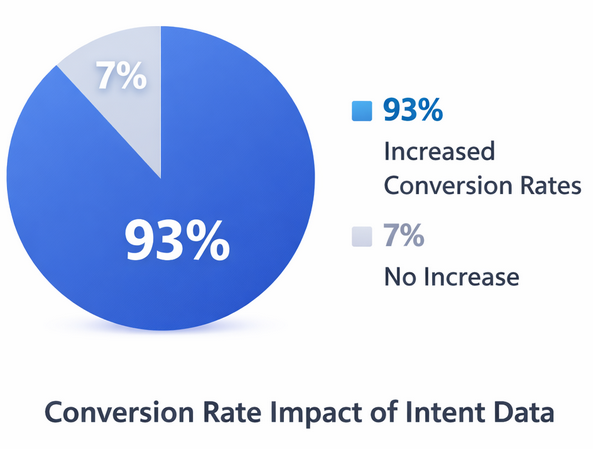
Percentage of marketers who report improved conversion rates after using intent data
These gains come from relevance. When the message matches what the user is already thinking about, the ad feels helpful instead of disruptive.
Core Signals That Define High Intent
Not all engagement indicates intent. High-intent ads rely on specific behavioral signals.
1. Active Research Behavior
Users who search for product comparisons, pricing, reviews, or alternatives are significantly closer to conversion. Ads aligned with these queries tend to capture demand rather than create it.
2. Community and Group Engagement
Participation in specialized groups, forums, or comment threads often signals a strong problem-awareness stage. Users asking questions or reacting to niche discussions demonstrate readiness to evaluate solutions.
3. Repeated Interaction With Similar Content
Multiple interactions with similar posts, videos, or pages within a short time window indicate growing intent. Frequency matters more than a single click.
4. Time-Based Signals
Recency is critical. Data shows that users who interacted with relevant content within the last 7 days convert up to 60% more often than those whose interactions are older than 30 days.
How High-Intent Ads Are Structured
High intent is not only about who sees the ad, but also how the ad is built.
Clear Value Proposition
High-intent users respond best to ads that quickly explain what problem is being solved and how. Ambiguous branding messages tend to underperform at this stage.
Specific Messaging
Specificity increases trust. Ads that reference a precise use case, outcome, or pain point can increase click-through rates by up to 40% compared to generic copy.
Low-Friction Calls to Action
Calls to action such as “Get pricing,” “See examples,” or “Compare options” align better with high-intent mindsets than broad CTAs like “Learn more.”
Common Mistakes That Reduce Intent
Even well-targeted campaigns can fail if intent is diluted.
-
Mixing awareness and conversion messaging in the same ad
-
Targeting large audiences without filtering for recent activity
-
Using creative that focuses on features instead of decision-making benefits
Avoiding these mistakes helps preserve the advantage that high-intent audiences provide.
Measuring Whether an Ad Is Truly High Intent
Performance metrics reveal whether intent is being captured effectively.
Key indicators include:
-
Conversion rate relative to traffic volume
-
Time from first click to conversion
-
Percentage of users who take a secondary action after clicking
High-intent ads typically show faster conversion cycles and higher post-click engagement than standard campaigns.
Related Articles You May Find Useful
Final Thoughts
High-intent ads succeed because they meet users where they already are in their decision process. By focusing on real behavioral signals, precise messaging, and timely delivery, marketers can improve performance without increasing budget or reach.