In modern B2B marketing, traditional firmographic targeting is no longer sufficient to deliver consistent results. While attributes such as industry, company size, and location provide a baseline, they fail to capture the dynamic behaviors and intent signals that define real buying readiness.
Data signals—behavioral, technographic, intent-based, and engagement-driven—allow marketers to move beyond static segmentation and toward predictive, high-precision audience building.
According to Gartner, B2B buying groups involve an average of 6–10 decision-makers, each consuming multiple pieces of content before making a purchase decision. Meanwhile, Forrester reports that over 70% of the buyer’s journey is completed before a prospect engages with sales. These realities demand more accurate targeting strategies driven by data signals rather than assumptions.
What Are Data Signals in B2B Marketing?
Data signals are measurable indicators that reflect a company’s behavior, interests, and likelihood to purchase. These signals provide context that helps marketers identify not only who a prospect is, but also what they are actively doing.
Key categories of data signals include:
-
Behavioral signals: Website visits, content downloads, session frequency, and engagement patterns
-
Intent signals: Search activity, topic research, and third-party intent data
-
Technographic signals: Tools and platforms currently used by a company
-
Firmographic signals: Industry, revenue, company size, and geographic presence
-
Engagement signals: Email interactions, ad clicks, and webinar participation
Combining these signals enables a multidimensional view of the target audience.
Why Hyper-Accurate Audiences Matter
Improved audience accuracy directly impacts campaign efficiency and ROI.
-
McKinsey research shows that companies using advanced personalization generate 40% more revenue than those that do not
-
LinkedIn data indicates that precise audience targeting can improve conversion rates by up to 2–3x
-
Demand Gen Report states that 62% of B2B buyers respond only to personalized, relevant messaging
Hyper-accurate audiences reduce wasted ad spend, improve engagement quality, and shorten sales cycles.
Step-by-Step Framework for Building Data-Driven Audiences
1. Define the Ideal Customer Profile (ICP)
Start with a clear ICP based on historical customer data. Identify:
-
High-value industries
n- Revenue ranges and company sizes -
Key decision-maker roles
-
Common technology stacks
However, treat ICP as a starting point—not the final targeting layer.
2. Layer Behavioral Signals
Behavioral data reveals how prospects interact with digital assets. Focus on:
-
High-intent page visits (pricing, product pages)
-
Repeat sessions within short timeframes
-
Content consumption depth
Prospects exhibiting multiple high-intent behaviors should be prioritized.
3. Incorporate Intent Data
Intent signals provide insight into active research behavior beyond owned channels.
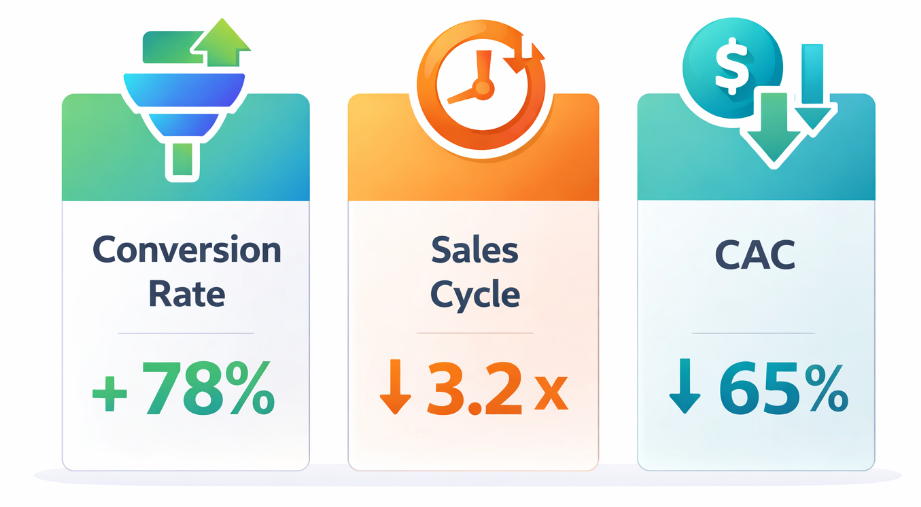 Intent data dramatically improves marketing efficiency—boosting conversions, accelerating deal cycles, and reducing acquisition costs
Examples include:
-
Frequent searches for specific solutions
-
Engagement with competitor-related content
-
Topic-level research spikes
Combining intent data with behavioral signals significantly increases predictive accuracy.
4. Use Technographic Filtering
Technographics help identify compatibility and readiness.
For example:
-
Companies using outdated tools may be more likely to switch
-
Organizations already using complementary platforms are easier to convert
This layer ensures messaging relevance and improves conversion probability.
5. Apply Engagement Scoring
Assign weighted scores to different actions:
-
Website visit: low score
-
Whitepaper download: medium score
-
Demo request: high score
Aggregate scores to identify highly qualified accounts.
6. Segment by Buying Stage
Not all prospects are equal. Segment audiences into:
-
Awareness stage: early research behavior
-
Consideration stage: comparing solutions
-
Decision stage: high-intent actions
Tailor messaging and campaigns to each segment.
7. Continuously Optimize with Feedback Loops
Audience accuracy improves over time with iteration. Use:
-
Conversion data
-
CRM feedback
-
Sales insights
Refine signal weighting and segmentation regularly.
Common Mistakes to Avoid
-
Over-reliance on firmographics without behavioral context
-
Ignoring signal recency (older data loses relevance quickly)
-
Treating all signals equally instead of weighting them
-
Failing to align marketing and sales on qualification criteria
Avoiding these pitfalls ensures that audience models remain predictive and actionable.
Advanced Strategies for Signal-Based Targeting
Predictive Modeling
Use machine learning to identify patterns in high-converting accounts and automatically expand similar audiences.
Account-Level Signal Aggregation
In B2B, decisions are made at the account level. Aggregate signals across multiple stakeholders within the same company to identify true buying intent.
Cross-Channel Signal Integration
Combine data from multiple sources:
-
Website analytics
-
Advertising platforms
-
CRM systems
-
Third-party data providers
Unified data creates a more accurate and complete audience profile.
Conclusion
Building hyper-accurate B2B audiences requires a shift from static targeting to dynamic, signal-based segmentation. By combining behavioral, intent, technographic, and engagement data, marketers can identify high-value prospects with significantly greater precision.
Organizations that adopt this approach will not only improve campaign performance but also create more meaningful interactions with potential customers.
Recommended Reading