Discounts can help you win attention — but they hurt long-term margins. If you're running ads on Instagram or Facebook, competing on price often means racing to the bottom.
This happens because discounts don’t always change buying intent or long-term behavior.
The good news? You don’t have to slash prices to grow.
Instead, you can compete by improving how people see, experience, and return to your brand.
Make your product feel more valuable before the click
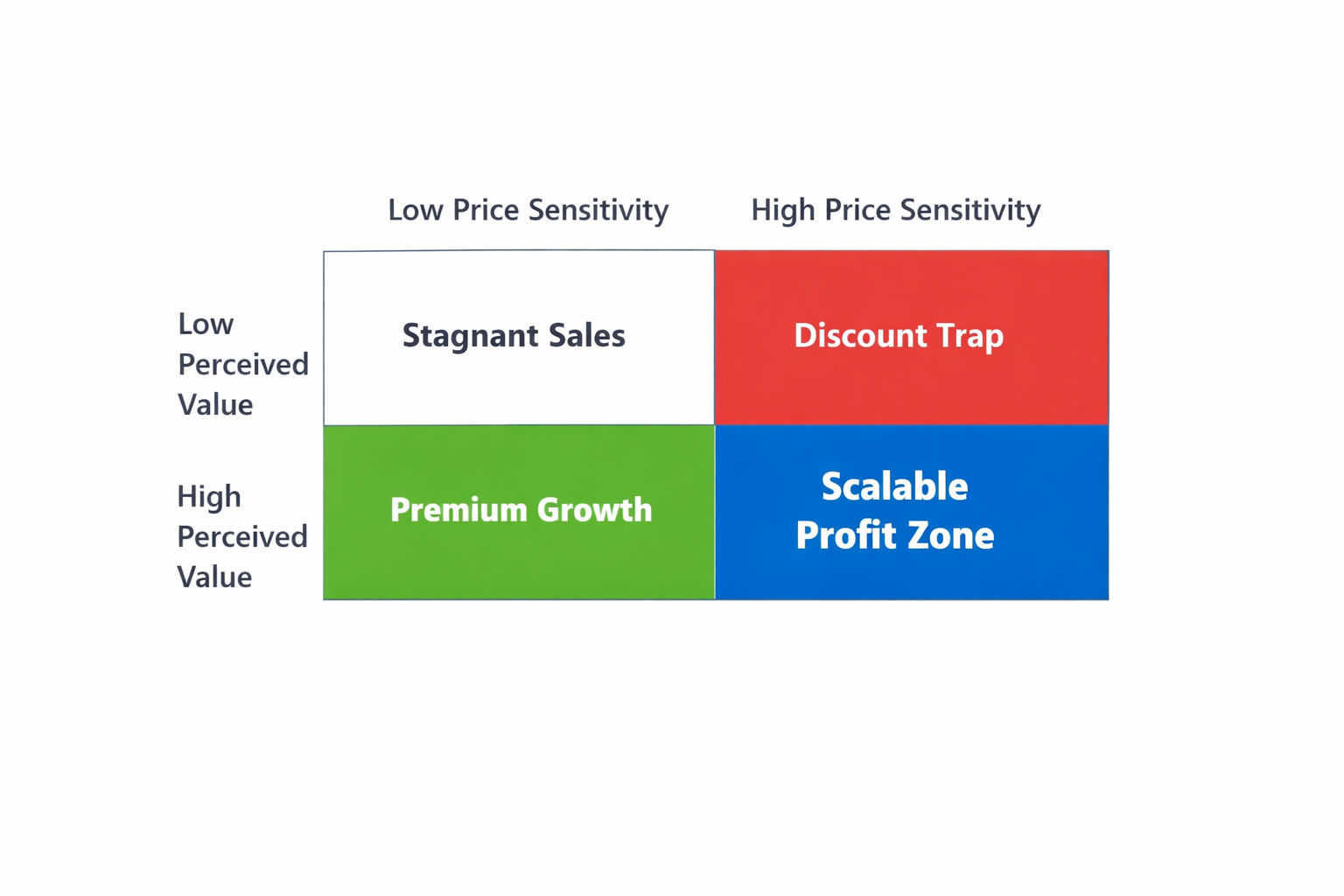
People judge fast on social media. If your product looks cheap in the ad, most users won’t even click — no matter how great it is.
That’s why value perception starts before someone lands on your site.
Show value through visuals, not just words
A product image isn’t enough. You need visuals that spark curiosity and build trust.
Try this approach:
-
Use clean, on-brand visuals: Ditch cluttered backgrounds and low-res photos. If you sell a $50 candle, make the ad look like it belongs in a premium home.
-
Use “after” shots: Instead of showing the product alone, show the outcome.
-
Selling cookware? Show the finished dish.
-
Selling skincare? Show glowing skin and smiling faces.
-
-
Keep text overlays clear and benefit-focused:
-
Not: “100% mulberry silk.”
-
Try: “Wake up with smoother skin and less frizz.”
-
These small changes create the feeling that your product is worth more — without changing the price.
Add trust signals inside your ad creative
Most advertisers wait until the landing page to build trust. That’s too late. Your ad itself should give people reasons to believe in your brand.
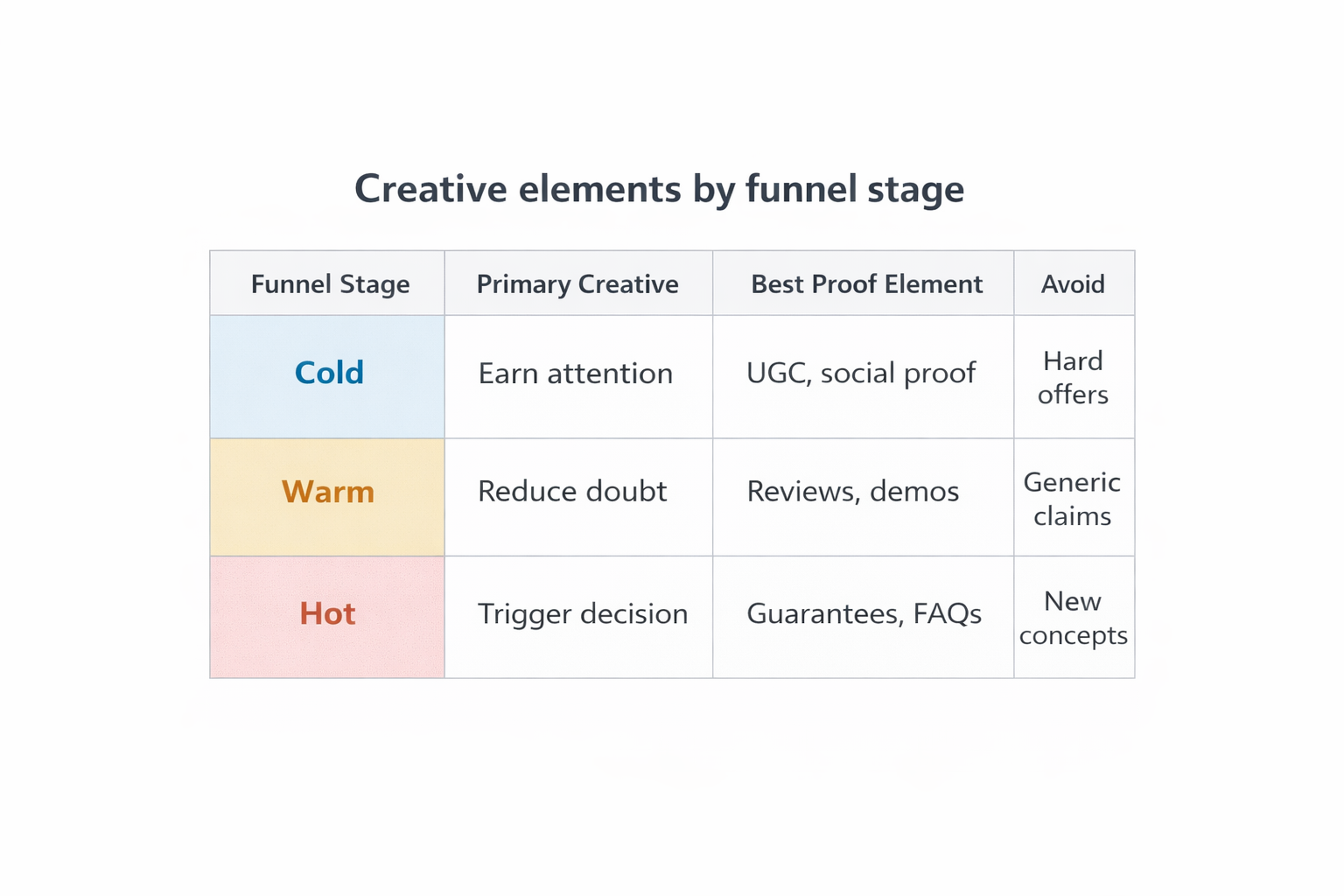
Make social proof part of the scroll
Let people see that others like them already buy from you.
What works well:
-
Short customer quotes: Overlay a 1-sentence review on top of your product video.
-
UGC clips or reactions: Even a 3-second phone clip of someone saying “I love this thing” beats stock footage.
-
Visual metrics:
-
“30,000+ sold”;
-
“4.9 stars from 2,000 reviews”;
-
“Top 1% of Etsy shops.”
-
These trust signals catch attention quickly — and help justify the price. They also tend to outperform discount-based messaging in competitive feeds.
You can see why in Why social proof ads outperform discounts in e-commerce campaigns.
Grow profit by increasing customer lifetime value (LTV)
If you’re only focused on first purchases, you're leaving money on the table. Winning brands turn one-time buyers into long-term customers.
This makes your ad spend go further — because each customer brings more revenue over time.
Use better audience targeting to find long-term buyers
Meta’s default lookalikes often mix in low-value users. Instead, target people who are more likely to buy again — or buy more.
Smart tactics include:
-
Create custom audiences from high-spending customers in your CRM;
-
Use LeadEnforce to build audiences from followers of higher-end competitors;
-
Exclude one-time bargain shoppers or coupon chasers, if they rarely return.
This lets you scale ads without needing steep discounts to convert cold traffic.
For a deeper LTV-focused approach, see How to improve e-commerce customer lifetime value.
Build loyalty without discounts
Lowering your price is the easiest way to get someone to buy — but it trains people to expect deals.
A better approach: offer more without charging less.
Effective ideas:
-
Free bonus with second purchase: Turn one order into two, without lowering price.
-
Tiered loyalty credits: Each purchase unlocks more benefits — similar to store points or cashback.
-
Early access to new collections: Make customers feel valued, not just sold to.
You protect your brand while still increasing repeat revenue.
Improve what happens after the click
Even great ads can’t fix a landing page that doesn’t convert. If you’re charging more than others, your website needs to explain why.
Here’s how to close the sale without changing the price.
Tell a better product story
Don’t just say what the product is — explain what makes it different and worth the cost.
On your product page, include:
-
Comparisons:
-
A side-by-side chart that shows how you’re better than the cheaper option.
Example: “Lasts 3x longer than X; made with recycled materials; backed by 2-year guarantee.”
-
-
Real photos from real users:
-
Show how it looks in homes, not just in studio lighting.
-
-
Customer quotes focused on quality:
-
“I was nervous about the price, but it's now the only hoodie I wear.”
-
If this step underperforms, the issue is often structure, not traffic. See How to optimize landing pages for better conversions.
Reframe the price, don’t lower it
Sometimes, the way you present the price makes a bigger difference than the number itself.
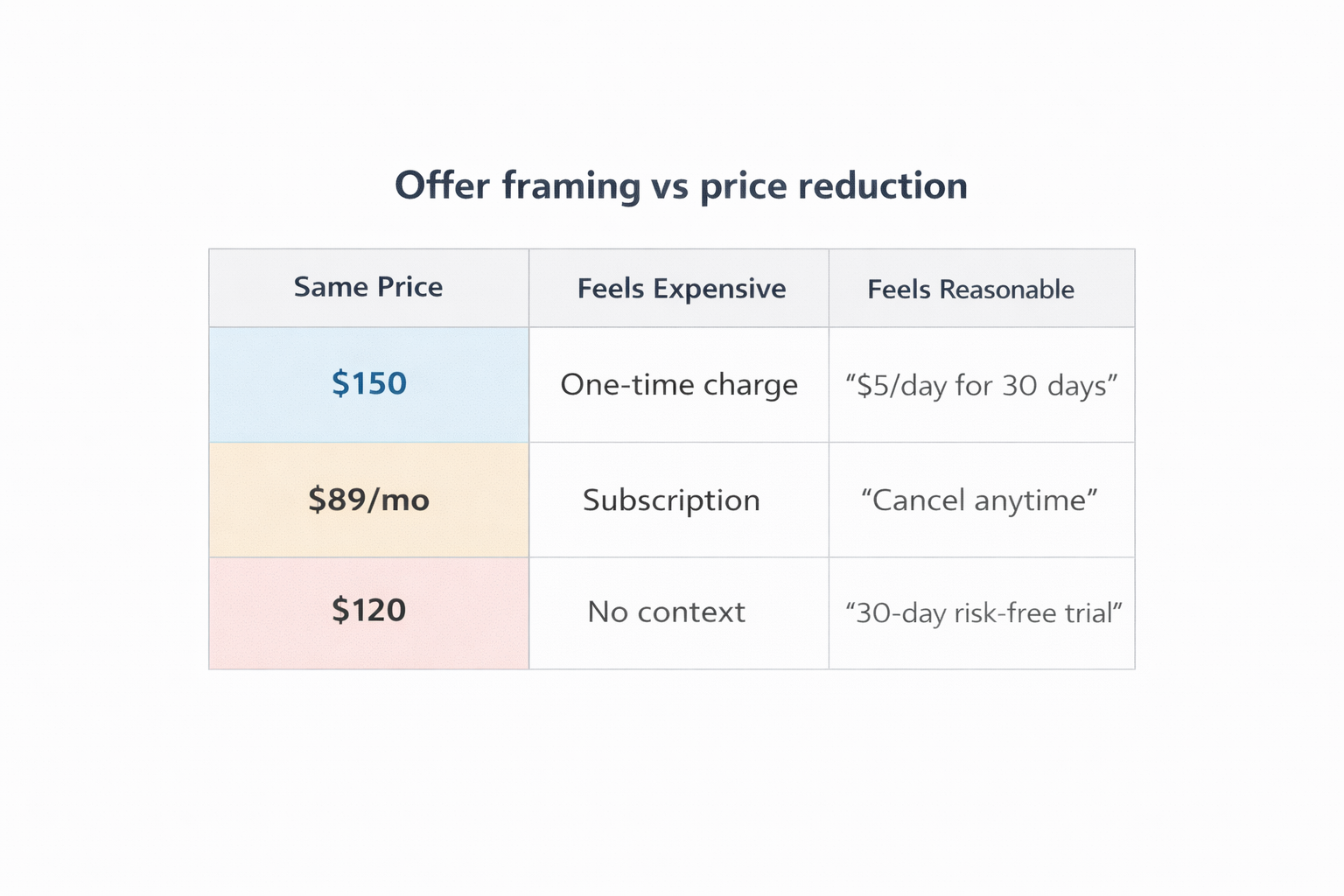
Examples that work:
-
Instead of "$89/month", try:
-
“Just $2.90/day. Cancel anytime.”
-
-
Instead of "$150 upfront", try:
-
“Try for 30 days, risk-free. If it’s not for you, get a full refund.”
-
This changes how people feel about the price — without touching your margins.
Lower your acquisition cost with better targeting
You don’t need a better product or lower price — you just need a better audience.
Start with intent-rich targeting
Don’t rely only on Meta’s broad interest groups. Go more niche.
Use targeting options that align with buyer behavior:
-
Group members: Find people in Facebook Groups discussing premium, niche, or enthusiast products;
-
Influencer followers: Use LeadEnforce to create Instagram audiences from creators your ideal customer already trusts;
-
Purchase lookalikes: Upload lists of people who bought 3+ times — not just once.
These audiences tend to convert faster and at higher value. Use ad sequencing to warm people up
Don’t push a product right away. Most people don’t buy on the first click — especially at higher prices.
Instead, run a sequence like this:
-
Intro ad: Share a tip, show a problem, or introduce a story. No CTA yet.
-
Trust ad: Show reviews, quality comparisons, or behind-the-scenes footage.
-
Offer ad: Present the product and why it’s a better investment — not just a cheaper one.
This approach builds interest and reduces drop-off — so you can sell without cutting prices.
Final takeaways
You don’t need to join the discount war to grow your brand.
You need to show people why your product is worth what it costs — and why it's better than the alternatives.
To compete without lowering prices:
-
Use ads that highlight benefits, not just features;
-
Add trust signals early — don’t wait for the product page;
-
Target audiences that care about value, not just cost;
-
Make your offers feel generous, without sacrificing margin;
-
Grow LTV to make every customer worth more over time.
When you change how people experience your product, you don’t need to change your price.